|
|
|
|
|
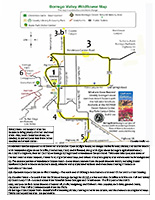 |
Flower Report: April 17
The weather has turned warmer and
most of the fields of flowers at the
lower elevations, including the
Borrego Valley, have withered.
But flowers are blooming in the
higher elevations, including the
slopes of many of the canyons. The
blooms in these areas are different
from the lower locations; it is
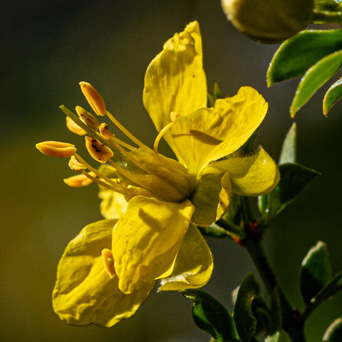
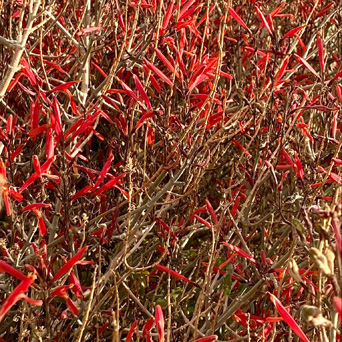
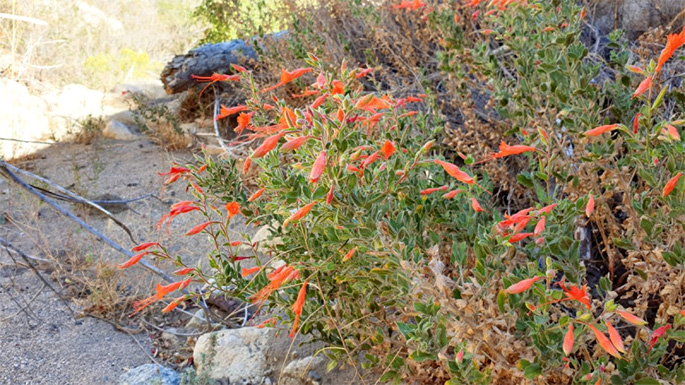
mostly shrubs, primarily bright
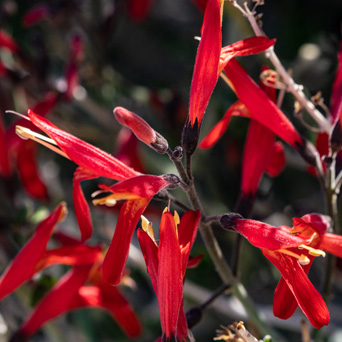
yellow brittlebush and red
chuparosa. This bloom has been
spetacular this year and it is not
completely over in the locations we
mention on the map.
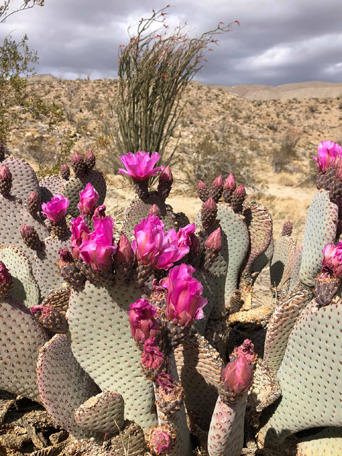
In addition to the chuparosa and
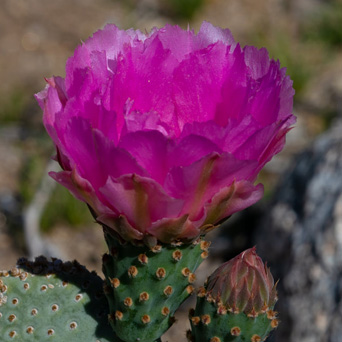
brittlebush the cactus are blooming
in many areas. If you are in town
for just as brief time the ABDNHA
Garden is a good place to see
several cactus species in full bloom
|
along with various
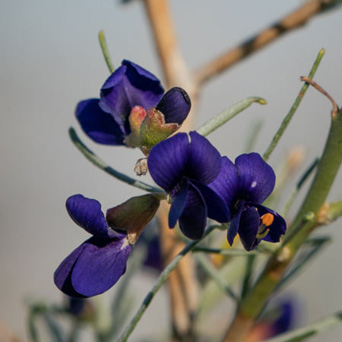
shrubs, such as desert lavendar, indigo
bush, chuparosa, and brittlebush.
See our
current map for more information about
locations in bloom. |
|
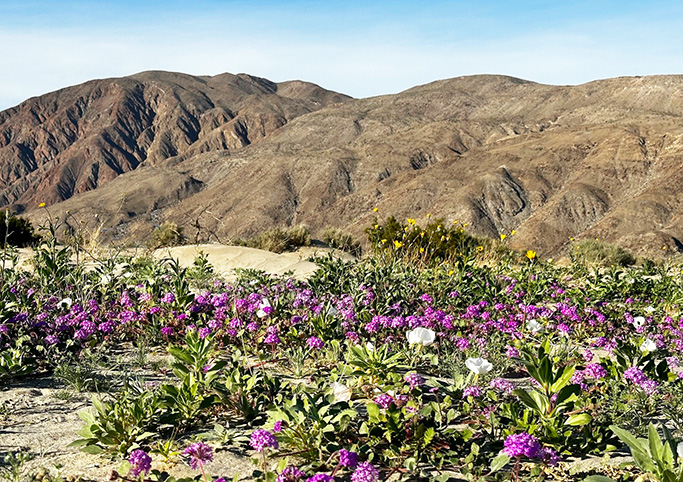
Photo along Henderson Canyon Road February 18,
2024
PHOTOS AT THIS TIME ARE FROM PRIOR YEARS.
New photos will be added as the 2024 bloom gets
started.
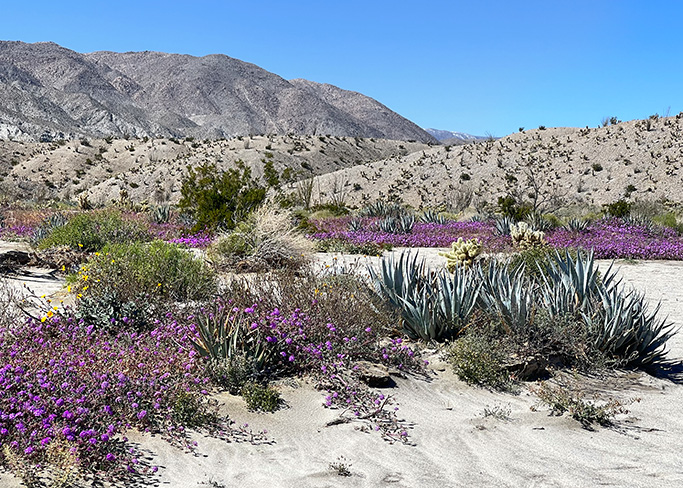
June Wash March 2 Photo
by Jason Hoyte
Beautiful mix of desert sand verbena and desert
agave throughout June Wash. Road is in
excellet condition.
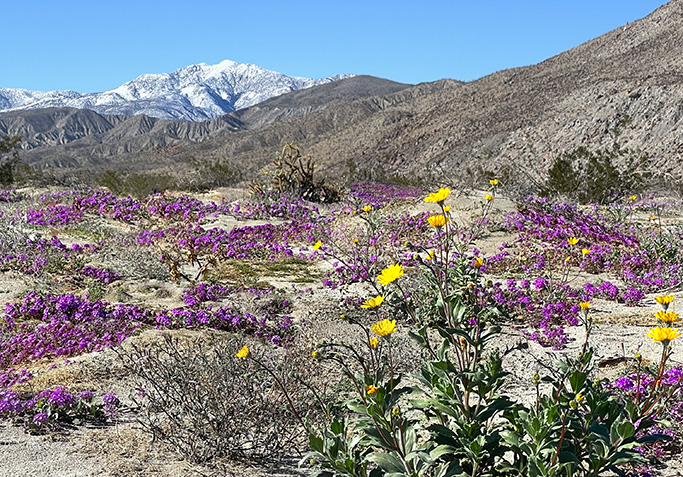
Coyote Canyon with snow on peaks March 2
Photo by Jason Hoyte
Purple sand desert verbena is the star of the show
right now in Coyote Canyon.
Road is in good condition. See map for details
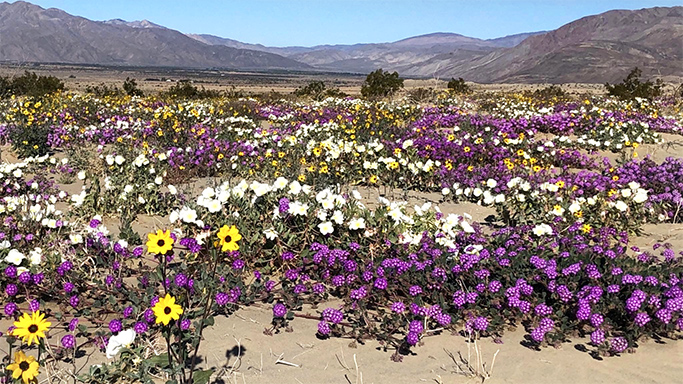
Old Springs Road Old Springs County
Preserve 2/7/23 Photo by Suzanne Brooks
See Map
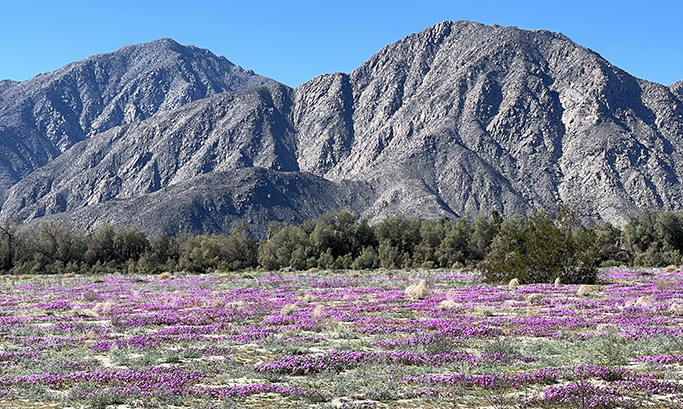
DiGiorgio Road at Bighorn Road in Borrego Springs
ABDNHA photo
Purple Sand Verbena spreading in open area,
See Map
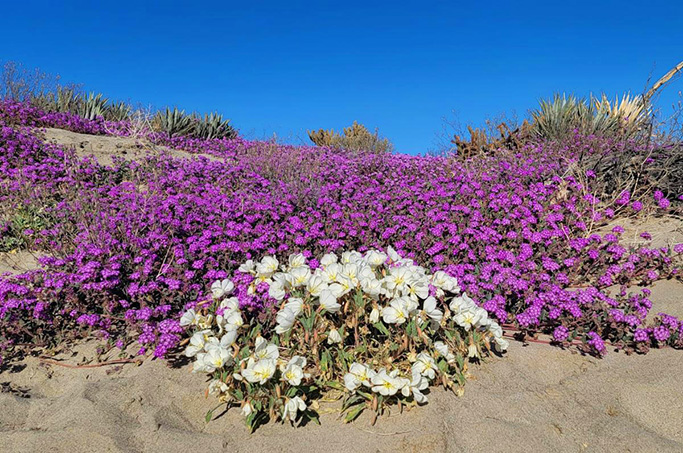
Photo of June Wash
February 2023 by Jim Van Matre
See Map |
See
Flower Maps
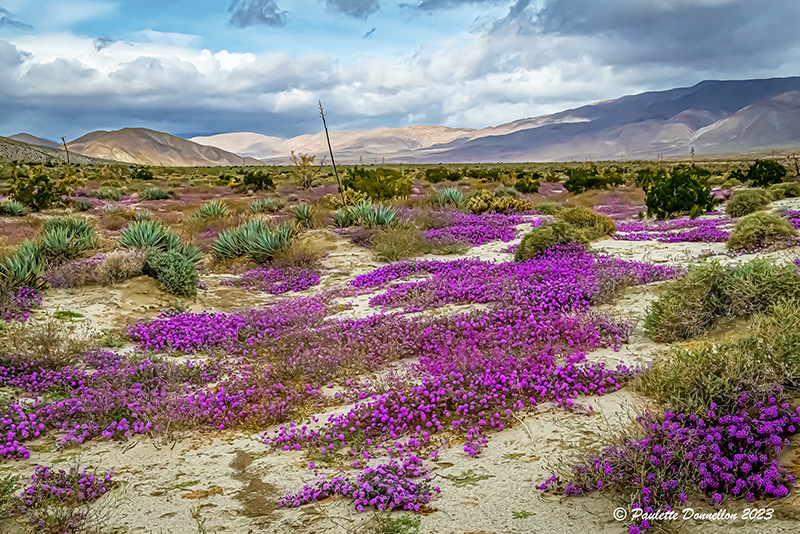
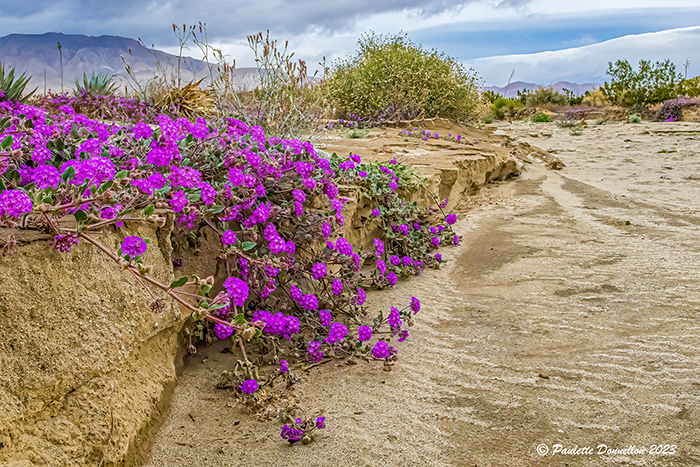
Current Winter Bloom Photos
These great shots of
winter flowers are by Paulette Donnellon. They have
all been taken during the last few days. WIth
no insects to consume them and with no hot sunshine
to dry them out, these flowers are likely to
continue for a while, perhaps until a cold spell comes
along, or something else to knock them back.
For now, they are here to enjoy.
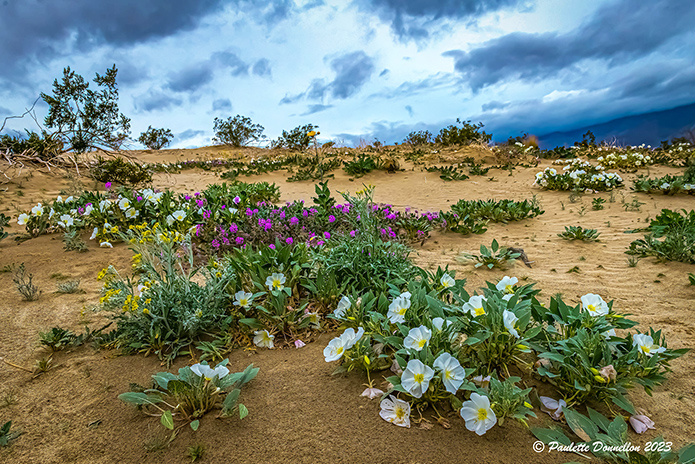
January 16. 2023
Truckhaven Trail; garden of flowers - Photo by
Pauletter Donnellon
January 16. 2023
June Wash - Near Agua Caliente County Park -
Photo by Paulette Donnellon
January 16. 2023
June Wash - Near Agua Caliente County Park -
Photo by Paulette Donnellon
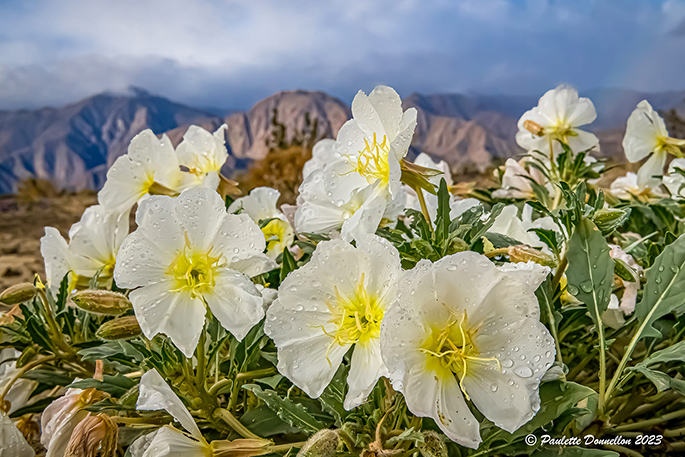
February 16, 2023
Dune Evening Primrose welcoming the raindrops -
Photo by Paulette Donnellon.auto-style75 {
text-align: left;
background-color: #FFFFCC;
}
|
|
|
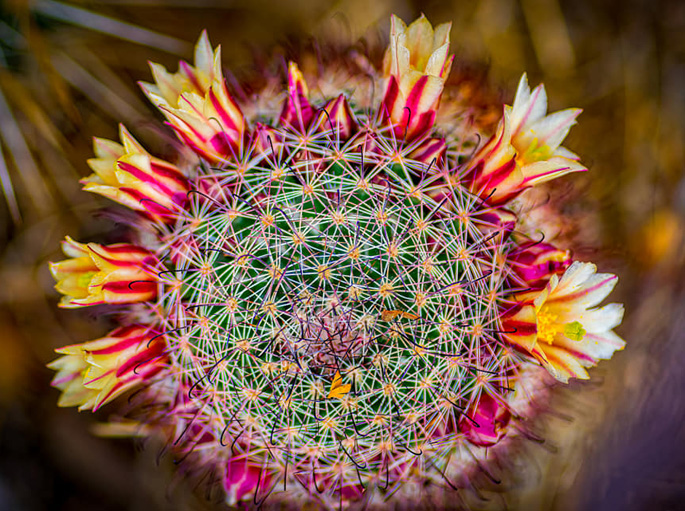
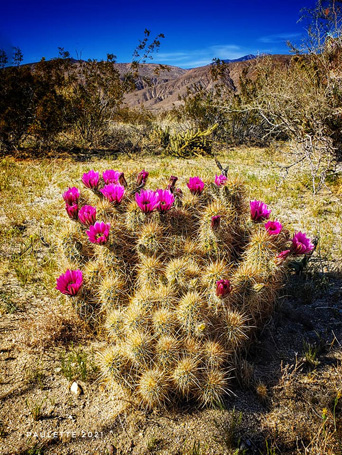
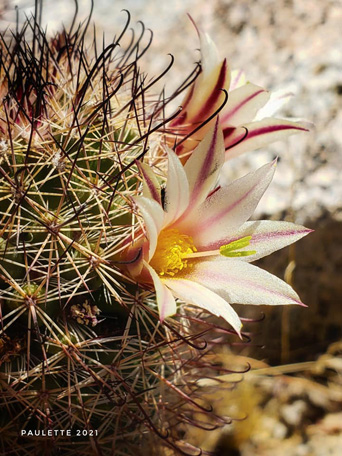
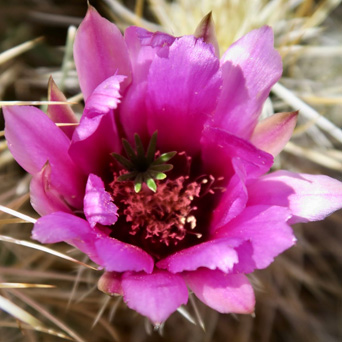
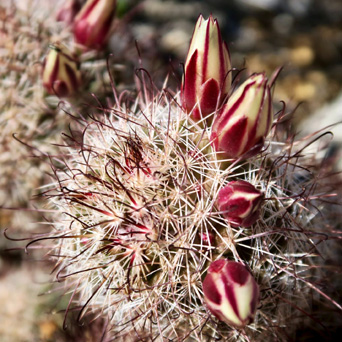
March 30, 2022
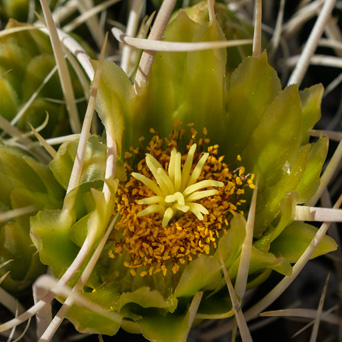
Steve Hunter found some beautiful blooming
Engelmann's Hedgehog Cactus blooms
(Echinocereus engelmannii) and
Fishhook Cactus blooms (Mammillaria
dioica). |
 |
 |
 |
|
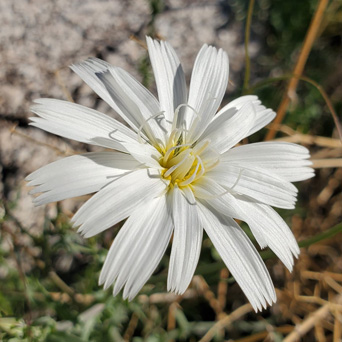
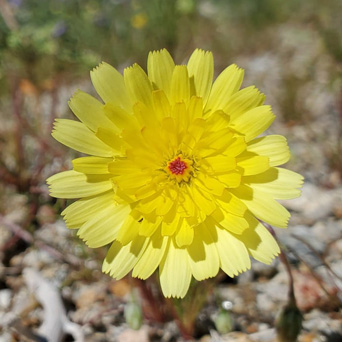
March 23, 2022
These gorgeous
blooms below were spotted around Anza-Borrego
Desert by Don Endicott.
 |
 |
|
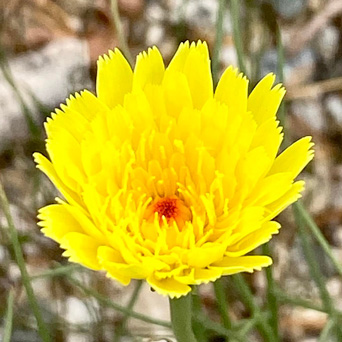
Desert Chicory (Rafinesquia
neomexicana) |
Desert Dandelion (Malacothrix
glabrata) |
 |
 |
|
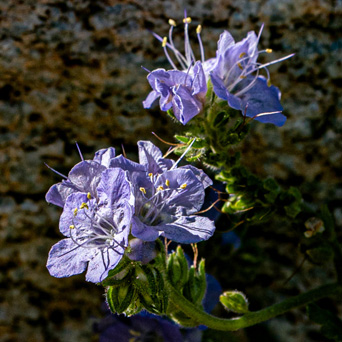
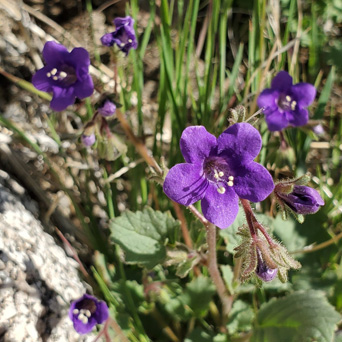
Canterbury Bells (Phacelia
campanularia) |
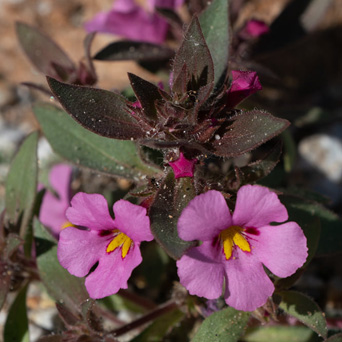
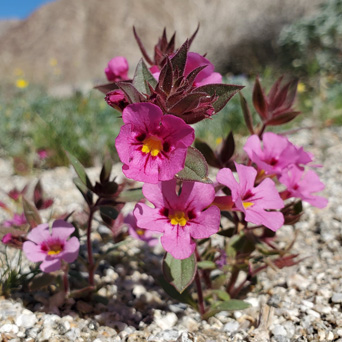
Bigelow's Monkey Flower (Mimulus
bigelovii) |
 |
 |
|
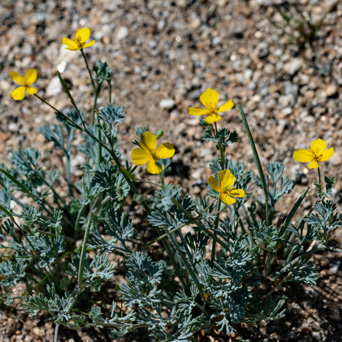
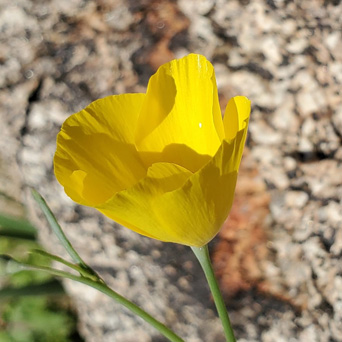
Parish's Gold Poppy (Eschscholzia
parishii) |
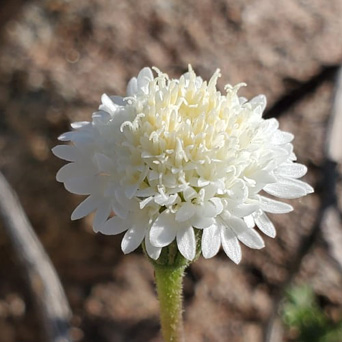
Desert Pincushion (Chaenactis
fremontii) |
|
March 15, 2022
Enjoy these
beautiful Hedgehog Cactus blooms
(Echinocereus genus) discovered by
Paulette Donnellon in Mine Wash.
|
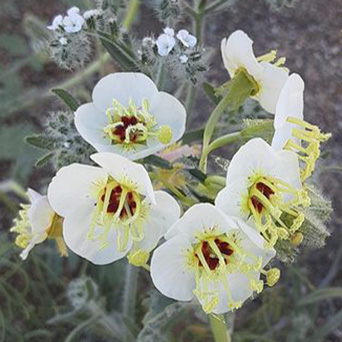
March 15, 2022
This gorgeous photo of Brown-Eyed
Primrose (Chylismia claviformis)
was taken by Jean Brugger. |
 |
|
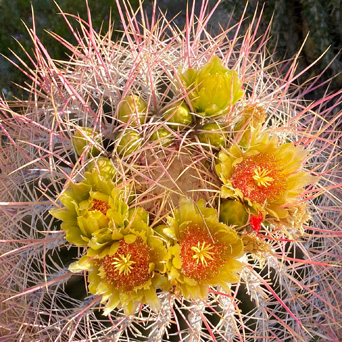
March 15, 2022
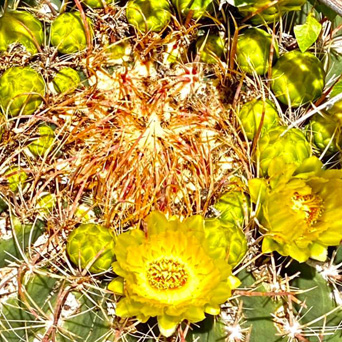
Susanna Hoffert captured this great shot of
Barrel Cactus blooms (Ferocactus
cylindraceus). |
 |
|
March 13, 2022
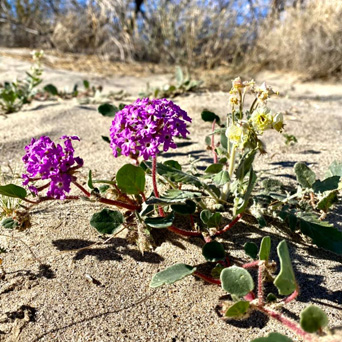
Maria
Thompson discovered Desert Sand Verbena
(Abronia villosa villosa) and
Barrel Cactus blooms (Ferocactus cylindraceus)
while exploring in Coyote Canyon.
|
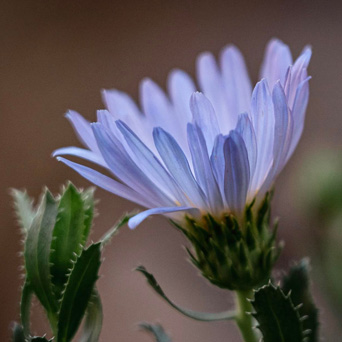
March 12, 2022
Goldhara McKay captured this amazing photo
of an Orcutt's Woody Aster
(Xylorhiza orcuttii). |
 |
|
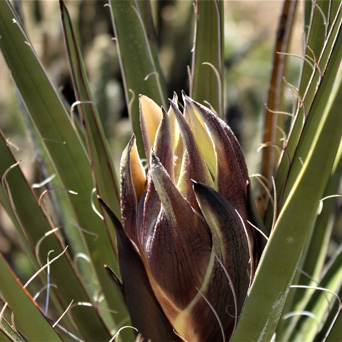
March 12, 2022
This is a wonderful close-up photo of
Mojave Yucca buds (Yucca schidigera)
in Blair Valley, taken by Bill Liming. |
 |
|
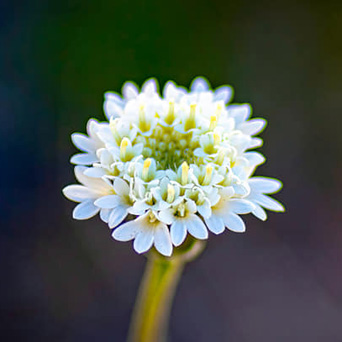
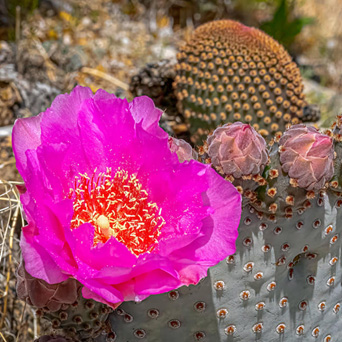
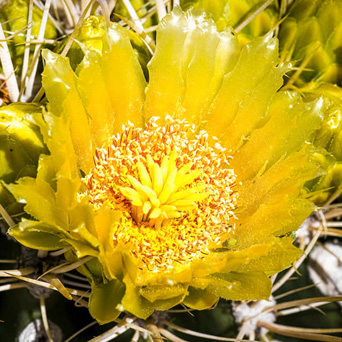
March 12, 2022
Paulette Donnellon took these fabulous
photos while exploring in Collins Valley and
Salvador Canyon:
Desert Pincushion (Chaenactis
fremontii)
Top right
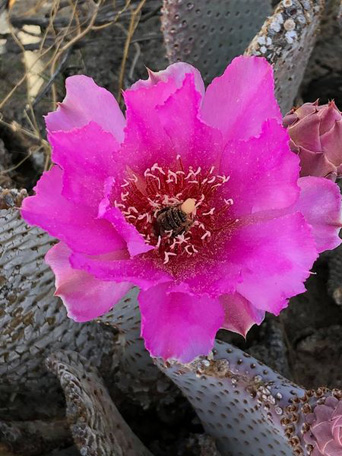
Beavertail Cactus (Opuntia
basilaris)
Bottom left
Barrel Cactus (Ferocactus
cylindraceus)
Bottom right |
 |
 |
 |
|
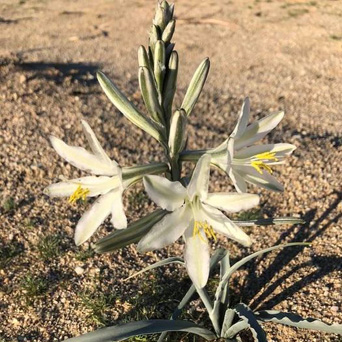
March 12, 2022
Here is a fantastic photo of a
Desert Lily (Hesperocallis undulata),
taken by David Irwin. |
 |
|
March 12, 2022
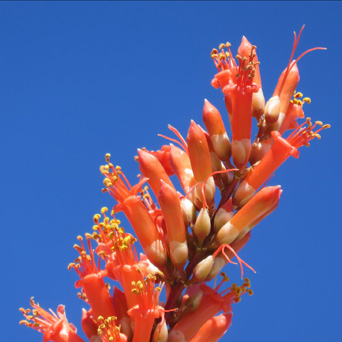
Enjoy these
amazing close-up photos of Ocotillo
blooms (Fouquieria splendens) and
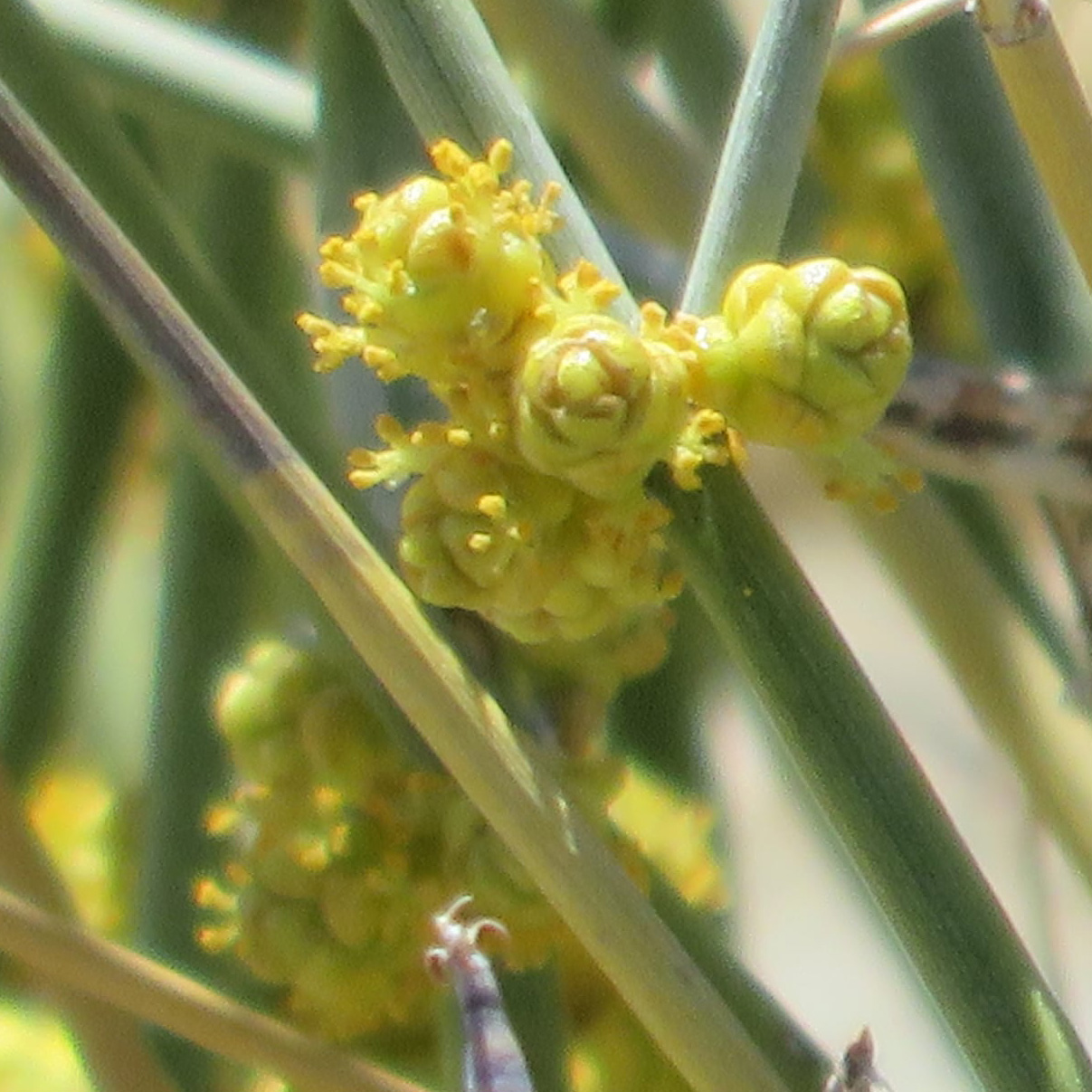
Mormon Tea (Ephedra genus),
taken by Susanna Hoffert.
|
March 12, 2022
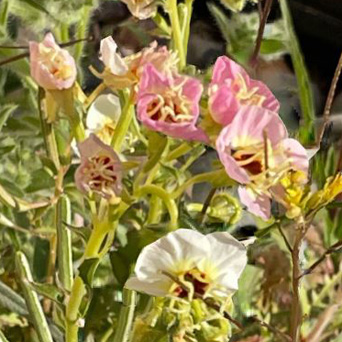
Jayne Moulton took this beautiful photo of
Brown-Eyed Primroses (Chylismia
claviformis). |
 |
|
March 8, 2022
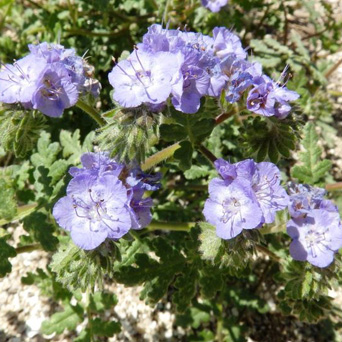
This photo of Wild Heliotrope
(Phacelia Distans) was captured in
Borrego Palm Canyon by Guy Hadley. |
 |
|
February 23, 2022
Goldhara McKay
took these great close-up photos of
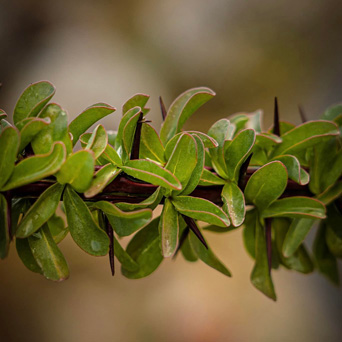
Ocotillo leaves (Fouquieria splendens)
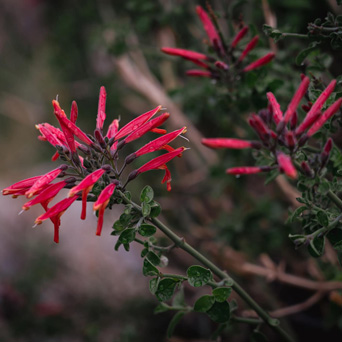
and Chuparosa blooms (Justicia
californica).
|
February 22, 2022
These colorful
photos of Chuparosa (Justicia
californica) and Desert
Dandelion (Malacothrix glabrata) were
taken by Carolyn Trimble Bothell.
|
February 21, 2022
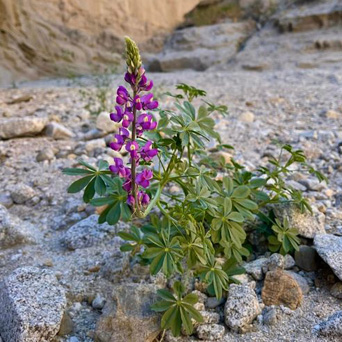
Todd Linke discovered this colorful Arizona
Lupine (Lupinus arizonicus) in Sandstone
Canyon. |
 |
|
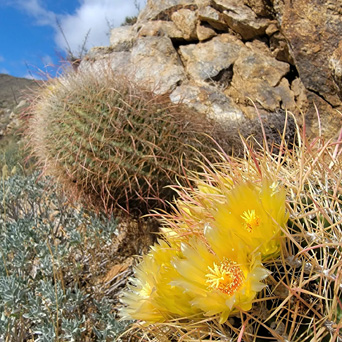
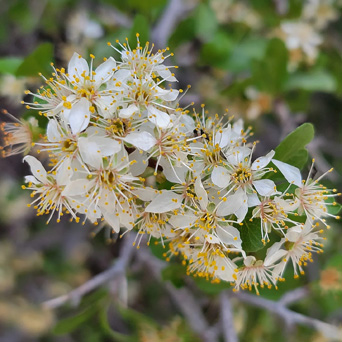
February 21, 2022
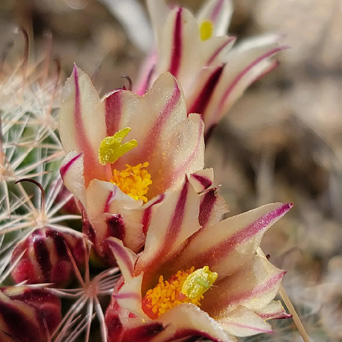
These beautiful blooms were captured in
Hornblende Canyon by Jim Van Matre:
Fishhook Cactus (Mammillaria dioica)
Top right
Barrel Cactus (Ferocactus
cylindraceus)
Bottom left
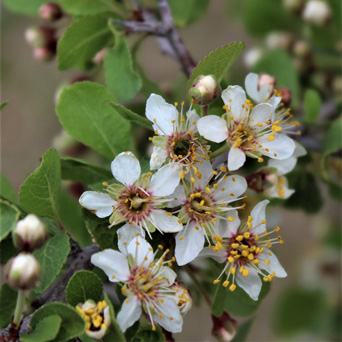
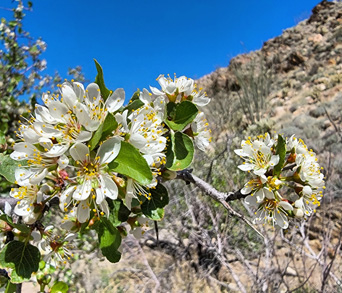
Desert Apricot (Prunus fremontii)
Bottom right |
 |
 |
 |
|
February 14, 2022
Bill Liming took
these early season photos of the Desert
Apricot (Prunus fremontii) and
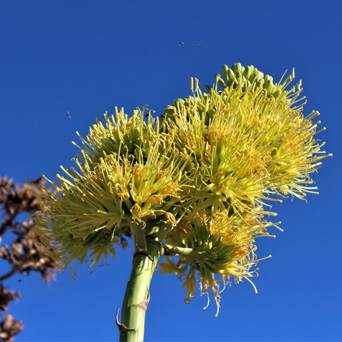
Desert Agave (Agave deserti).
The Desert Agave was found in
June Wash.
|
|
|
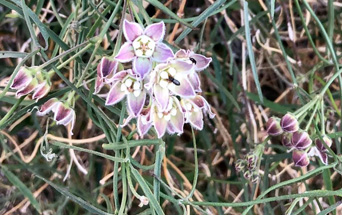
April 19, 2021
This lovely photo of Climbing
Milkweed blooms (Funastrum cynanchoides)
was taken by Margaret Elizondo while
exploring Hornblende Canyon.
This particular milkweed plant grows twining
through other plants in the Mojave Desert
and Sonoran Desert. It has milky sap and
smells pungent.
|
 |
|
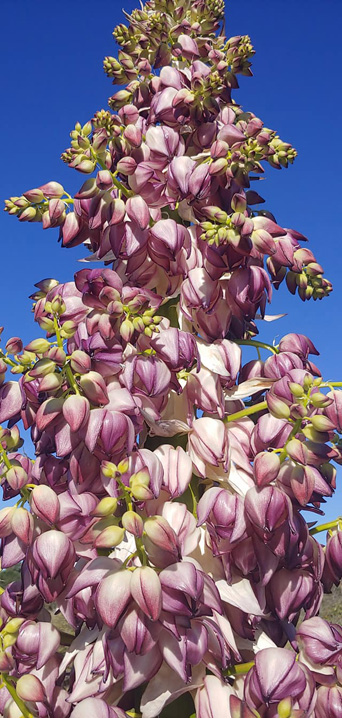
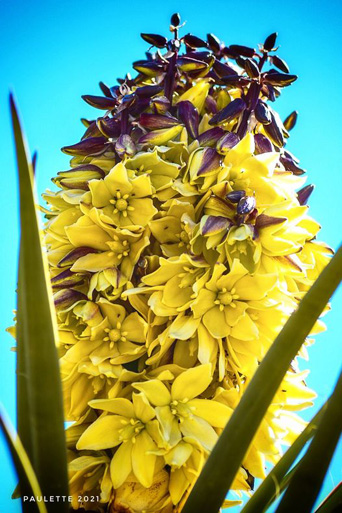
April 19, 2021
Paulette Donnellon captured this beautiful
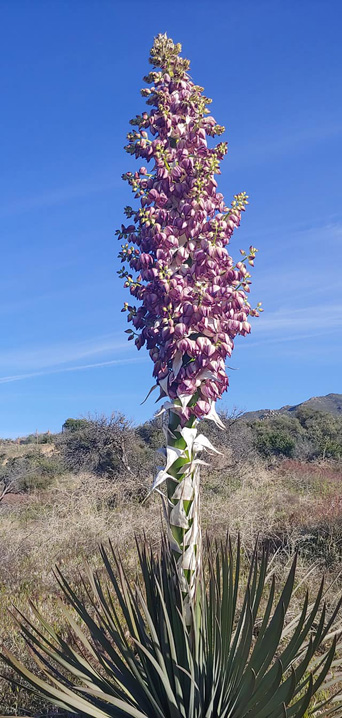
photo of a Chaparral Yucca a.k.a.
Our Lord's Candle (Hesperoyucca whipplei)
on Old Culp Valley Road.
Did you know that this plant was used
extensively by Native Americans as a source
for food as well as fibers for
basket-making, blankets and sandals?
|
 |
|
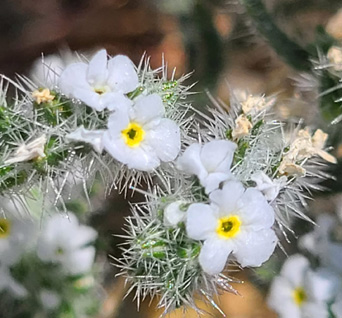
April 18, 2021
Here is a fantastic close-up photo of the
Prickly Popcorn Flower (Cryptantha
muricata) taken by Tim Cart. It's
hard to see this kind of detail on these
tiny flowers with the naked eye!
|
 |
|
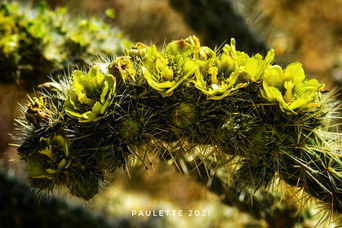
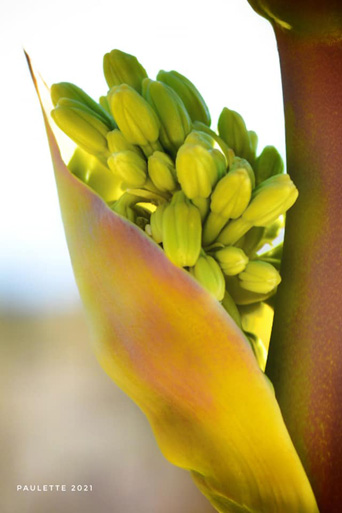
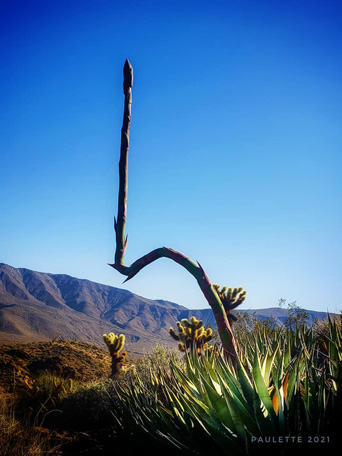
April 18, 2021
These gorgeous photos were taken by Paulette
Donnellon while exploring in Plum Canyon,
Grapevine Canyon and Coyote Canyon.
 |
 |
|
Gander’s Cholla Corsage
(Cylindropuntia ganderi) |
Desert Agave Buds (Agave deserti)
|
 |
 |
Desert Agave Stalk (Agave deserti)
What an interesting shape! |
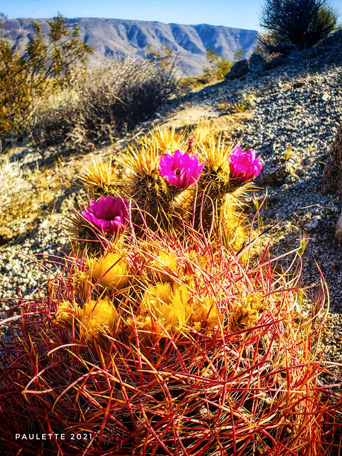
Hedgehog Cactus (Echinocereus
engelmannii)
Barrel Cactus (Ferocactus cylindraceus)
|
 |
 |
|
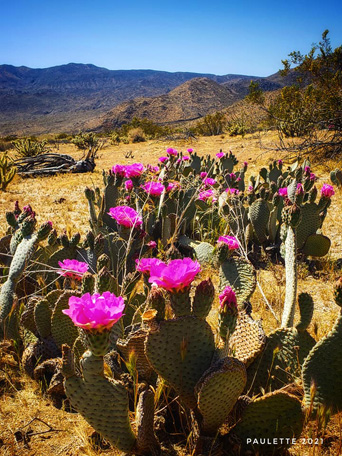
Beavertail Cactus (Opuntia
basilaris) |
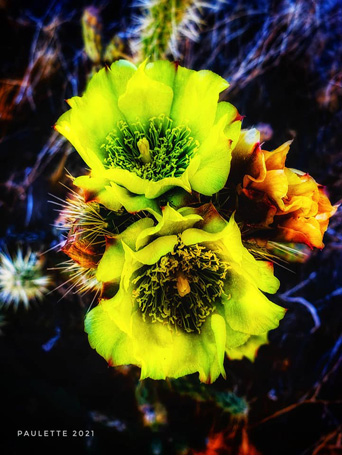
Gander’s Cholla (Cylindropuntia
ganderi) |
 |
 |
|
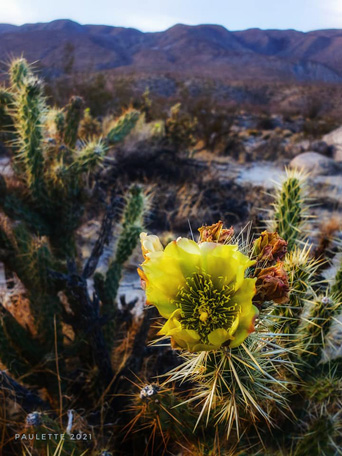
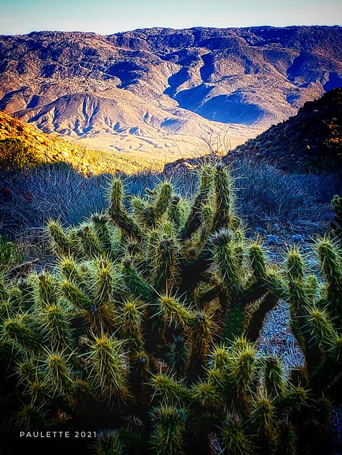
Gander’s Cholla (Cylindropuntia
ganderi) |
View from Plum Wash |
|
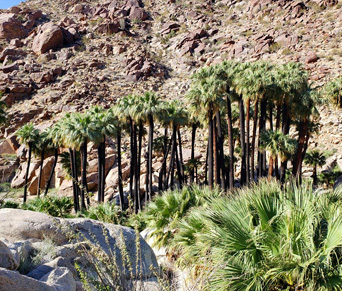
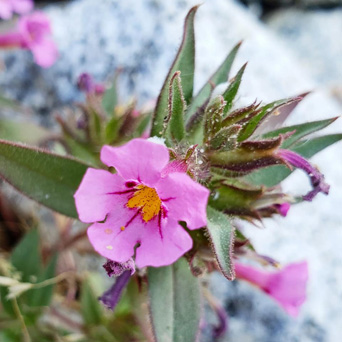
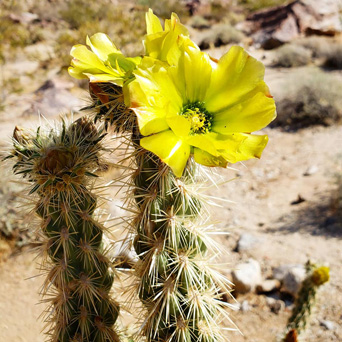
April 17, 2021
Sharon Ferguson took all of these lovely
photos while exploring Borrego Palm Canyon.
The California Fan Palm grove
(Washingtonia filifera) on the
right is looking great after the devastating
fire early last year!
|
 |
 |
 |
|
Bigelow's Monkey Flower (Mimulus
bigelovii) |
Gander’s Cholla (Cylindropuntia
ganderi) |
 |
 |
|
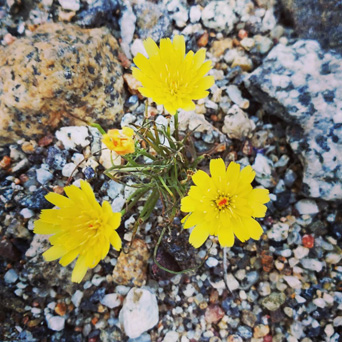
Desert Dandelion (Malacothrix
glabrata) |
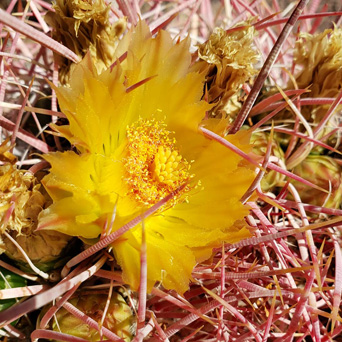
Barrel Cactus Blooms (Ferocactus
cylindraceus) |
 |
 |
|
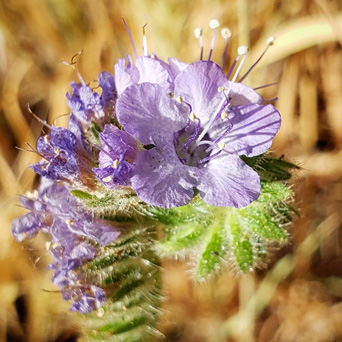
Wild Heliotrope (Phacelia Distans)
|
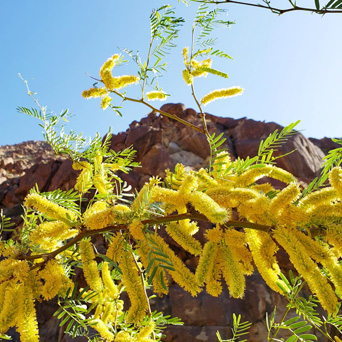
Honey Mesquite (Prosopis glandulosa) |
|
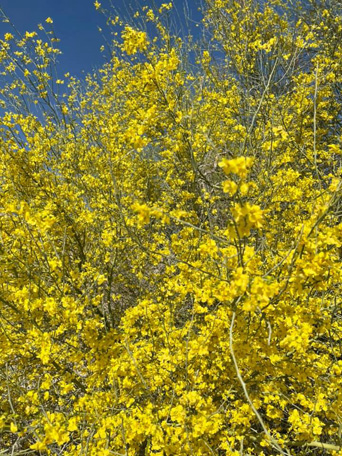
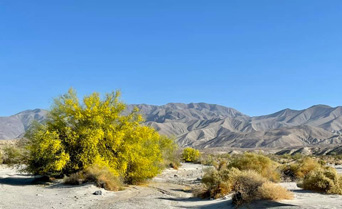
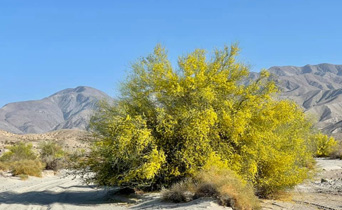
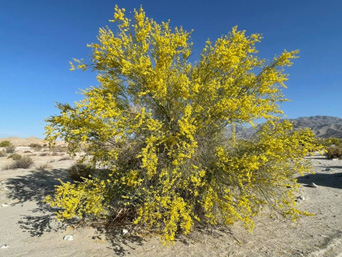
April 16, 2021
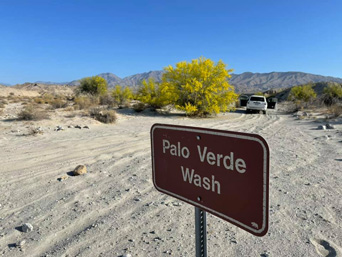
Palo Verde Wash sure earned its name this
week with all of the beautiful Blue Palo Verde
Trees (Parkinsonia florida) in full
bloom! These fantastic photos were taken by
Todd Linke.
|
 |
 |
 |
 |
 |
|
April 16, 2021
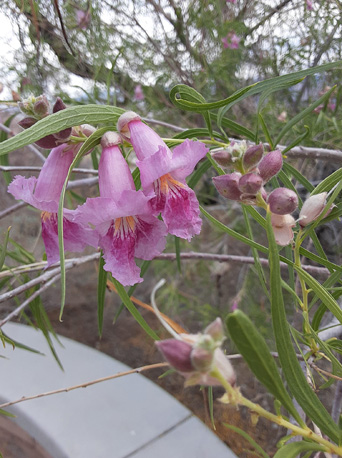
Jean Brugger captured this great shot of
Desert Willow blooms (Chilopsis
linearis) at the Anza-Borrego
Desert State Park Visitor Center.
|
 |
|
April 15, 2021
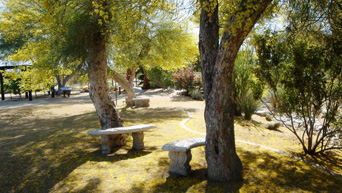
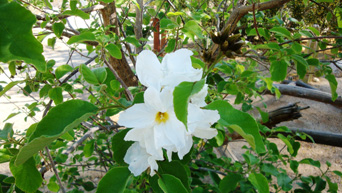
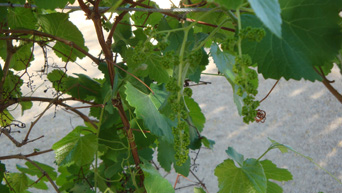
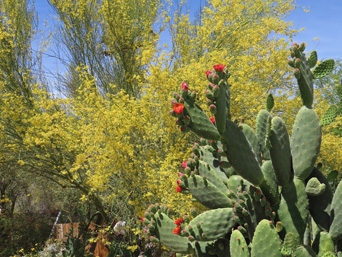
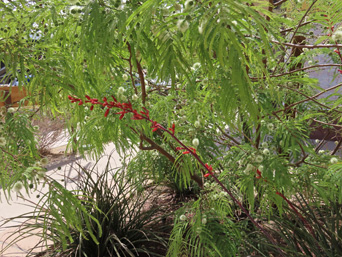
April is a beautiful time of year in the ABDNHA Desert Garden
- lots of buds and blooms! The
top three photos were taken by Betsy Knaak,
and the bottom two were taken by Marcy
Yates.
|
 |
|
|
ABDNHA Desert Garden |
 |
 |
|
Texas Olive Tree Blooms |
Grapes |
 |
 |
|
Blue Palo Verde Trees & Cactus
Blooms |
Hesperaloe Blooms |
|
April 10, 2021
Liz Carr took these breathtaking photos
of
a
Chaparral Yucca a.k.a. Our Lord's Candle (Yucca
whipplei)
in Culp Valley/Ranchita. Such gorgeous
purple blooms!
|
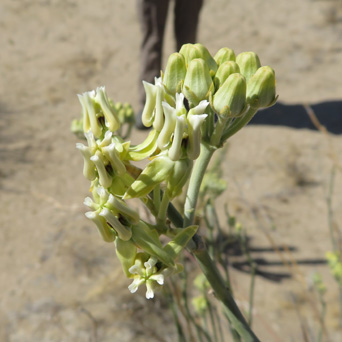
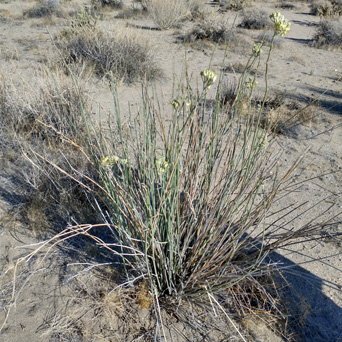
April 10, 2021
This Rush Milkweed a.k.a. Desert
Milkweed (Asclepias subulata) plant was
discovered in Henderson Canyon, just a short
walk from the Father Font metal sculpture. The
close up photo of the buds and flowers on the
left was captured by Jeff Meagher. The photo on
the right, taken by Dave Scheets, shows what the
whole plant looks like. Did you know...?
Milkweed is the host plant for the
monarch butterfly. Without milkweed, the larva
would not be able to develop into a butterfly.
Milkweed leaves are the only food that monarch
caterpillars will eat .
|
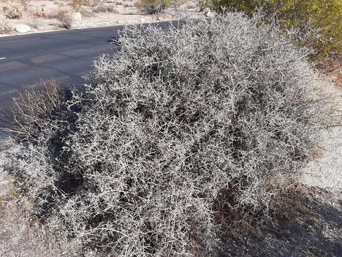
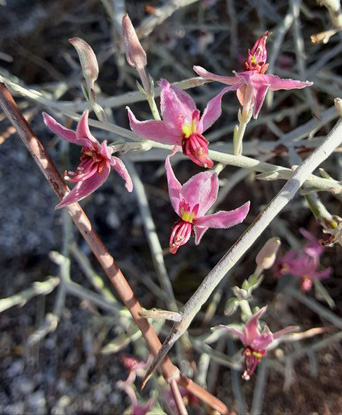
April 8, 2021
Jean Brugger discovered this delightful
plant in the Borrego Palm Canyon campground:
White Rhatany (Krameria bicolor). The photo
on the left shows the whole bush, and the
photo on the right shows the flowers close
up.
 |
 |
|
|
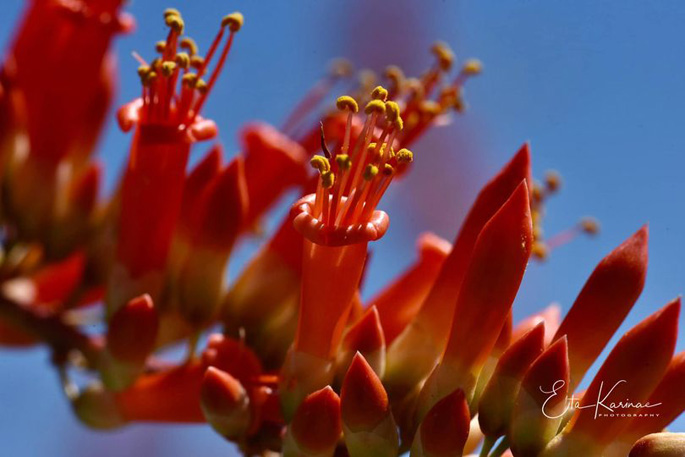
April 6, 2021
Here's a beautiful close-up photo of some
Ocotillo (Fouquieria splendens) blooms, taken
by Karina Bezkrovnaia-Vertelezka.
|
April 4, 2021
These blooming cactus beauties were discovered
up past Coyote Canyon by Paulette Donnellon. The
Hedgehog Cactus (Echinocereus
engelmannii) was spotted in Salvador
Canyon, and the Fish-Hook Cactus
(Mammillaria dioica) was
found in Collins Valley.
|
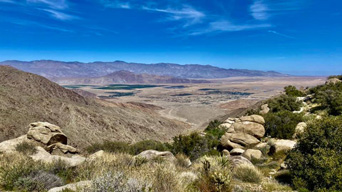
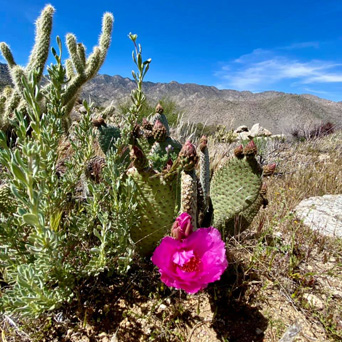
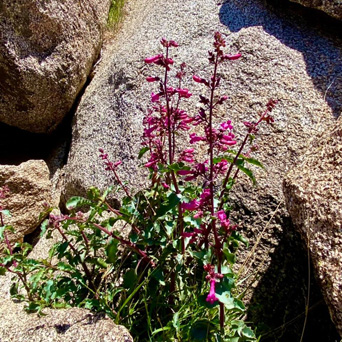
April 4, 2021
Maria Thompson captured these colorful
blooms while exploring Culp Valley. Isn't
this a fabulous view of Borrego Valley at
the right? |
 |
 |
 |
|
Beavertail Cactus (Opuntia
basilaris) |
Beardtongues (Penstemon clevelandii) |
|
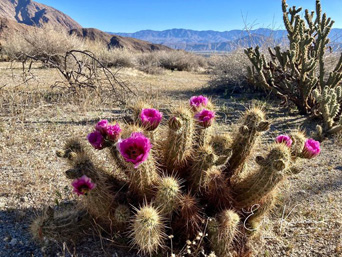
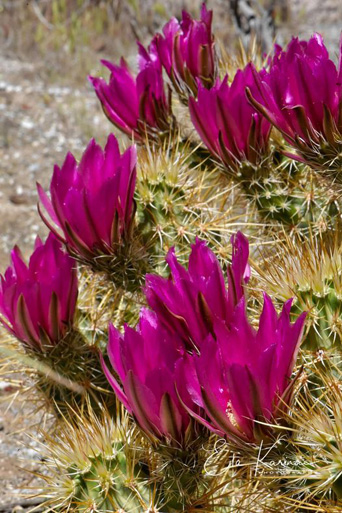
April 3-4, 2021
Karina Bezkrovnaia-Vertelezka found these
colorful Hedgehog Cactus
(Echinocereus engelmannii) blooms
while hiking in Hellhole Canyon.
 |
 |
|
March 27-28, 2021
The blooming Wolf's cholla
(Cylindropuntia wolfii) was spotted at
the Visitor Center, and the brown-eyed
primrose (Chylismia claviformis) was
found in a wash north of the Borrego Palm canyon
campground. These photos were taken by Jean
Brugger.
|
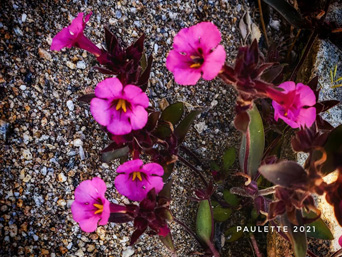
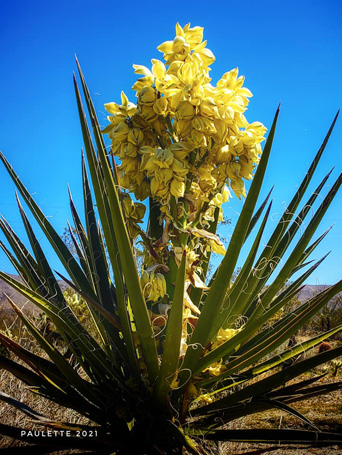
March 27, 2021
Paulette Donnellon captured these amazing
photos while exploring Mine Wash and
Grapevine Canyon. |
 |
|
|
Bigelow's Monkey Flower (Mimulus
bigelovii) |
 |
 |
|
Mojave yucca (Yucca schidigera)
|
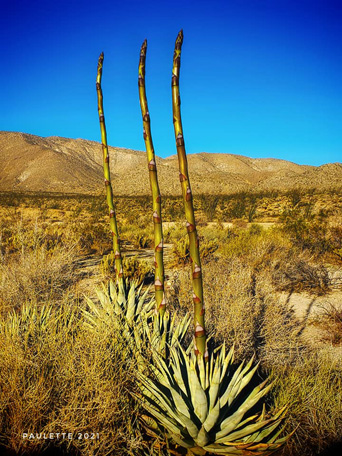
Desert Agave Stalks (Agave deserti) |
|
March 27, 2021
All of these beautiful plants and blooms
were captured by Sharon Ferguson while
hiking in Hellhole Canyon.
 |
 |
|
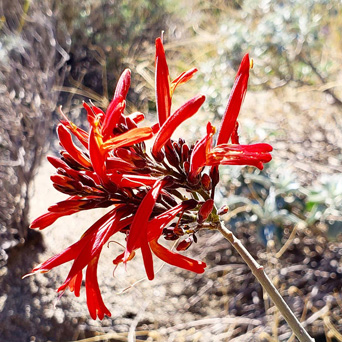
Chuparosa (Justicia californica)
|
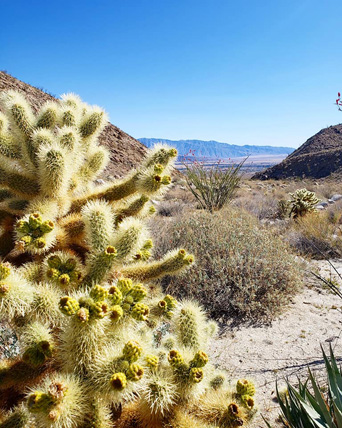
Cholla (Cylindropuntia) with Valley
View |
 |
 |
|
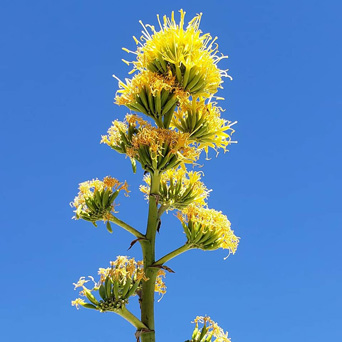
Desert Agave (Agave deserti) |
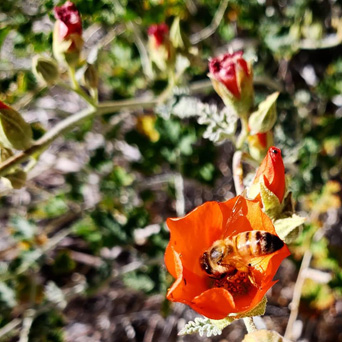
Desert Globemallow (Sphaeralcea
ambigua) |
 |
 |
|
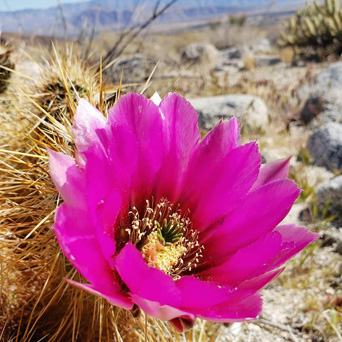
Hedgehog Cactus (Echinocereus
engelmannii) |
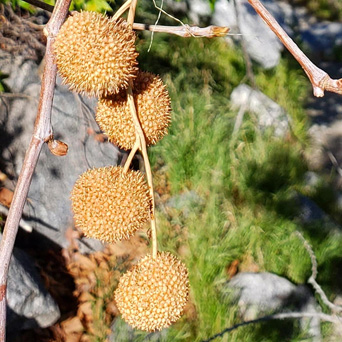
Wild Cucumber (Marah macrocarpa)
|
 |
 |
|
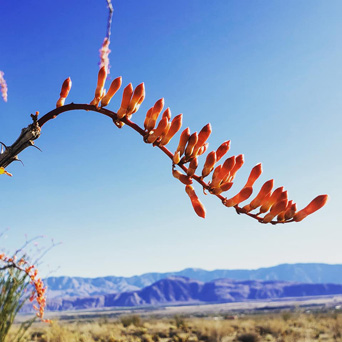
Ocotillo Buds (Fouquieria splendens) |
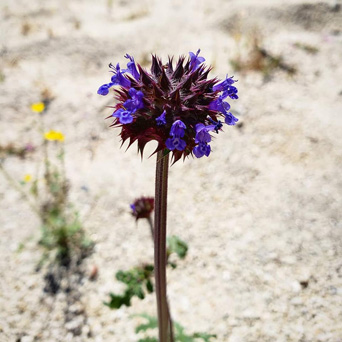
Chia (Salvia columbariae) |
 |
 |
|
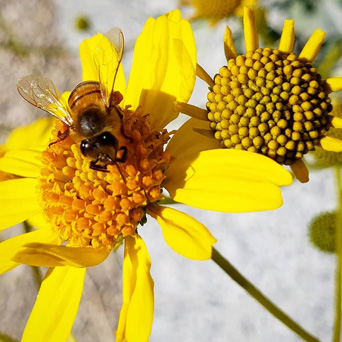
Brittlebush (Encelia farinosa)
|
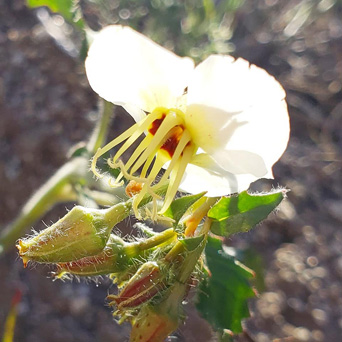
Brown-Eyed Primrose (Chylismia
claviformis) |
 |
 |
|
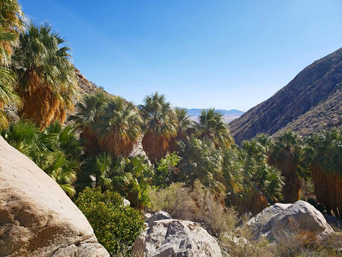
California Fan Palms (Washingtonia
filifera) |
Valley View |
|
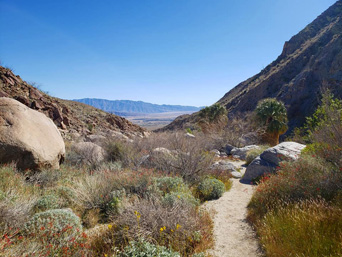
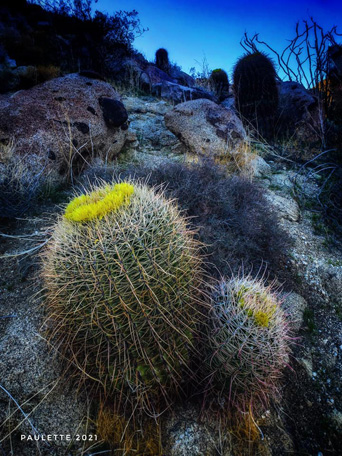
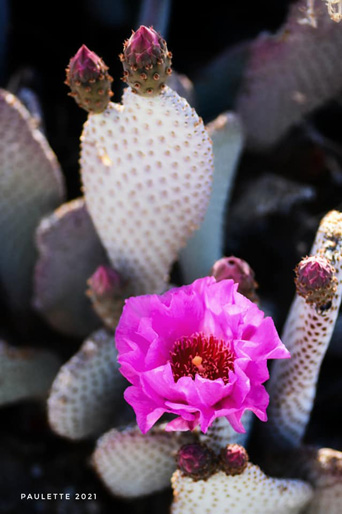
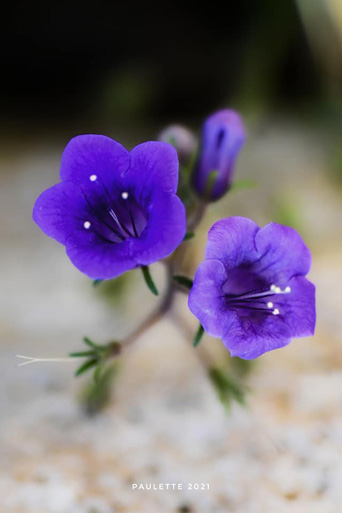
March 26, 2021
Paulette Donnellon took these great shots in
Salvador Canyon, up past Coyote Canyon. |
 |
|
|
Barrel Cactus (Ferocactus
cylindraceus) |
 |
 |
|
Beavertail Cactus (Opuntia
basilaris) |
Canterbury Bells (Phacelia
campanularia) |
|
March 26, 2021
Meredith Cockrell
Calderon found some colorful blooming
beavertail cactus (Opuntia basilaris)
while hiking coyote Canyon.
|
March 25, 2021
All of these lovely blooms were discovered
in Sheep Canyon, Salvador Canyon, Boulder
Alley and Coyote Canyon. Photos were taken
by Paulette Donnellon. |
 |
|
|
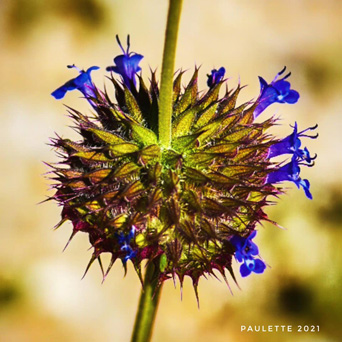
Chia (Salvia columbariae) |
 |
 |
|
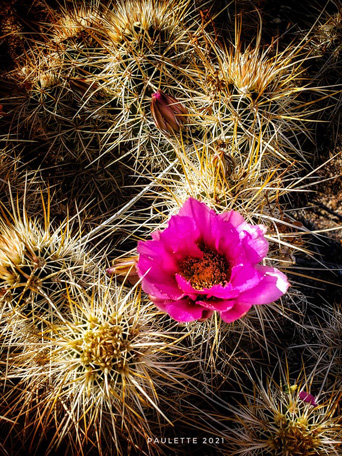
Hedgehog Cactus (Echinocereus
engelmannii) |
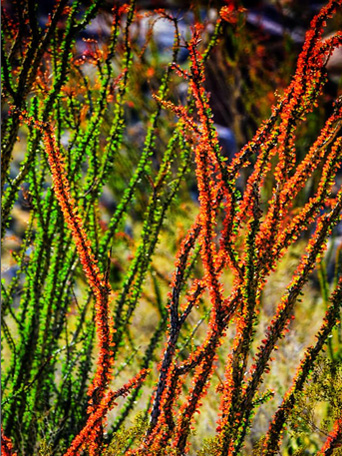
Green & Red Ocotillo (Fouquieria
splendens) |
 |
 |
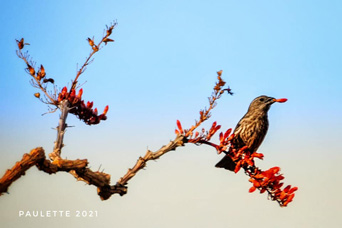
House Finch (Haemorhous mexicanus)
Ocotillo (Fouquieria splendens) |
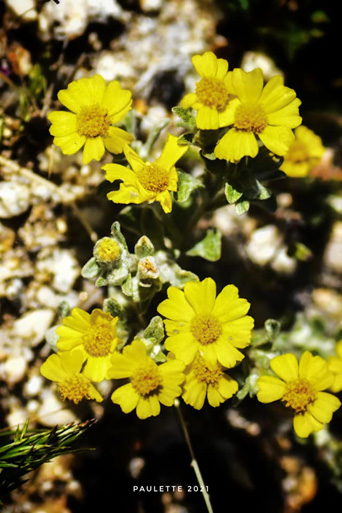
Brittlebush (Encelia farinosa) |
 |
 |
|
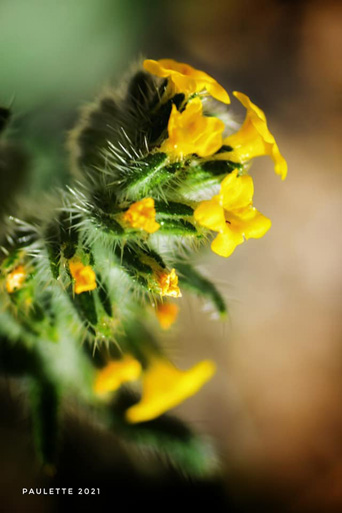
Fiddlenecks (Amsinckia menziesii) |
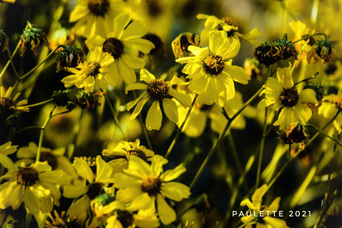
California Coreopsis
(Coreopsis californica) |
|
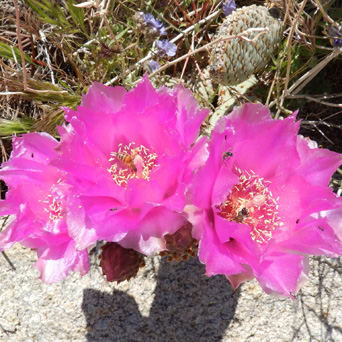
March 20, 2021
Guy Hadley captured
these beautiful blooms in Borrego Palm Canyon.
 |
 |
|
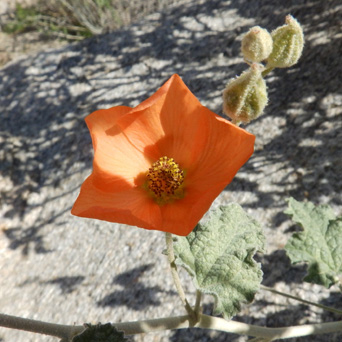
Beavertail Cactus Bloom (Opuntia
basilaris) |
Desert Globemallow (Sphaeralcea
ambigua) |
 |
 |
|
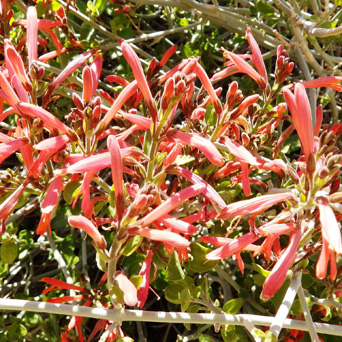
Chuparosa (Justicia californica)
|
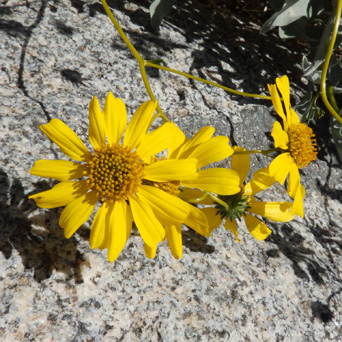
Brittlebush (Encelia farinosa)
|
 |
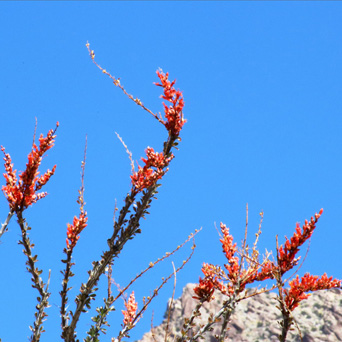 |
|
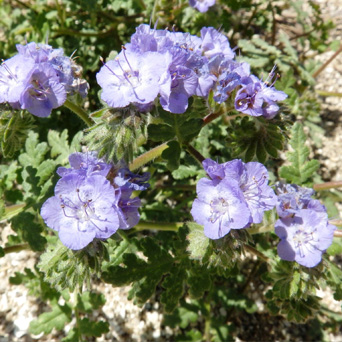
Wild Heliotrope (Phacelia Distans) |
Ocotillo (Fouquieria splendens) |
 |
 |
|
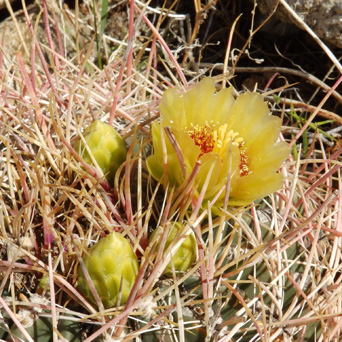
Barrel Cactus Blooms (Ferocactus
cylindraceus) |
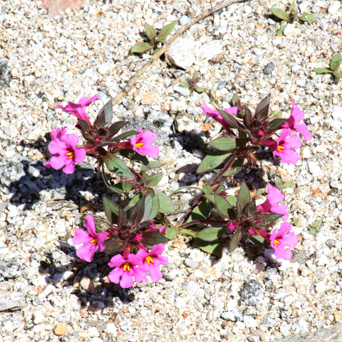
Bigelow's Monkey Flower
(Mimulus bigelovii) |
|
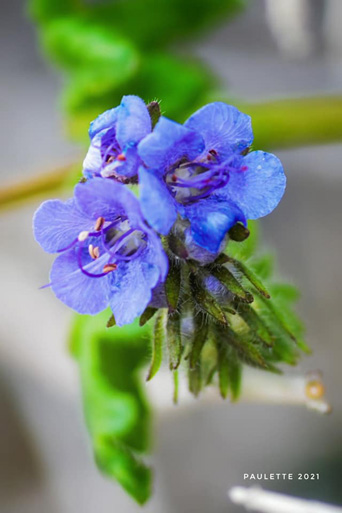
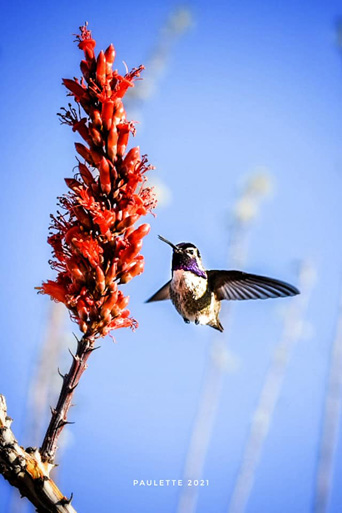
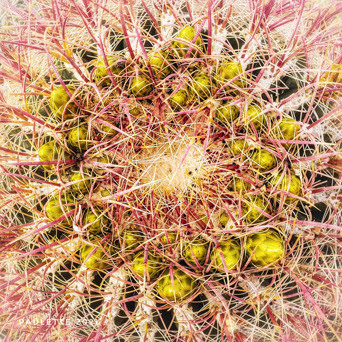
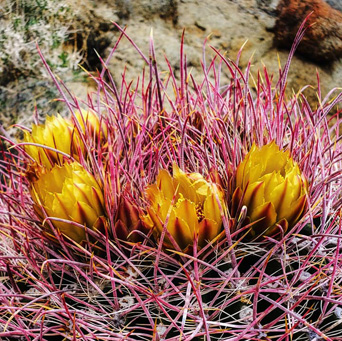
March 13, 2021
These beautiful
photos were taken in Glorietta Canyon by
Paulette Donnellon.
 |
 |
|
Wild Heliotrope (Phacelia Distans) |
Costa's Hummingbird (Calypte costae)
Ocotillo (Fouquieria splendens) |
 |
 |
|
Barrel Cactus Buds (Ferocactus
cylindraceus) |
Barrel Cactus Blooms (Ferocactus
cylindraceus) |
|
|
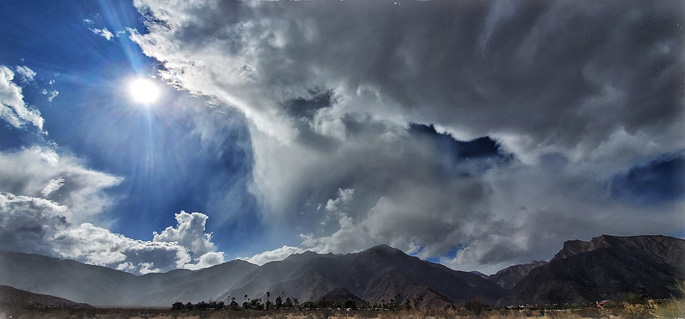
March 12-13, 2021
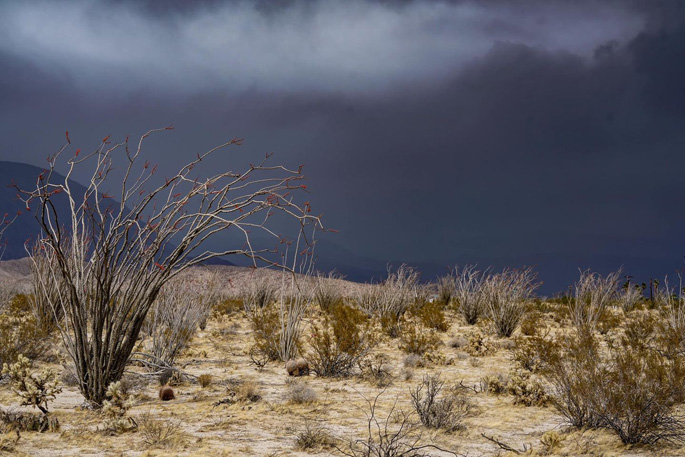
More rain and storm
clouds in Anza-Borrego...
 |
|
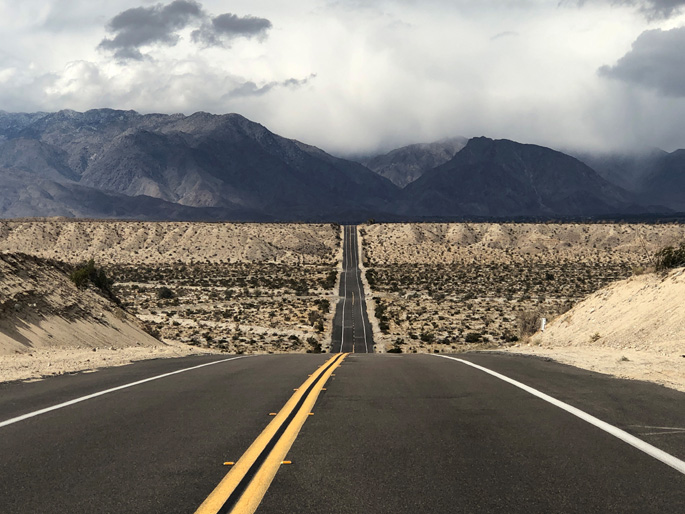
Rain clouds over Borrego Springs by
Michael Voss |
 |
|
Storm Clouds Over Texas Dip by
Ursula Esser |
 |
|
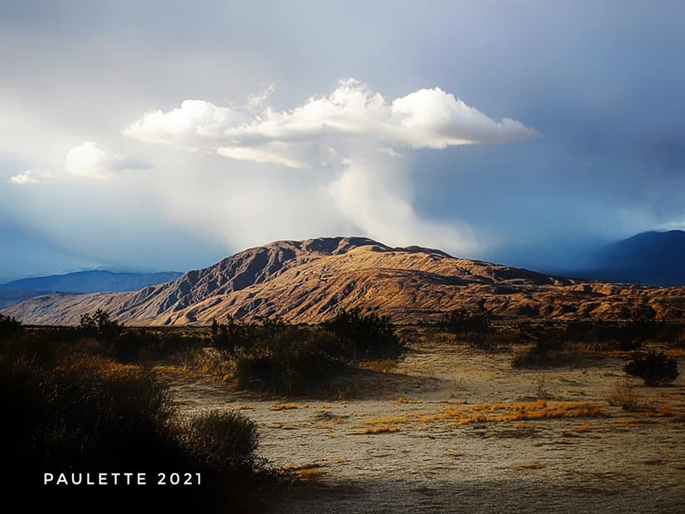
Rain over Coyote Mountain by
Paulette Donnellon |
|
March 10, 2021
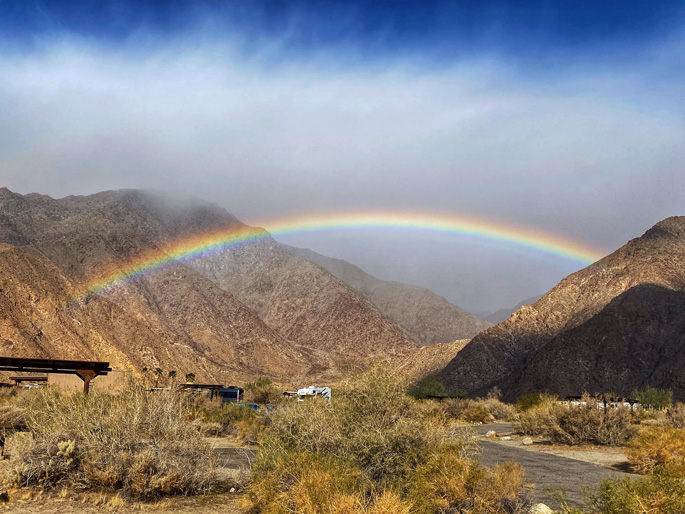
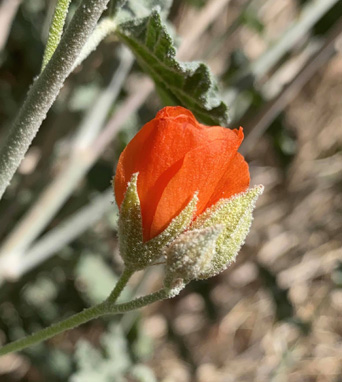
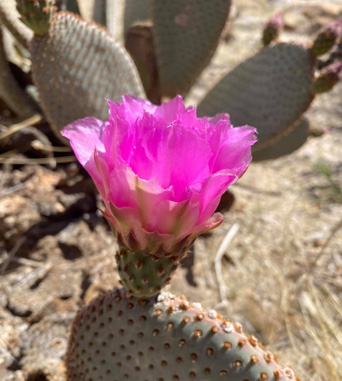
Becky Olsen found
these lovely blooms in Borrego Palm Canyon. She
also captured a beautiful rainbow over the
Borrego Palm Canyon campground!
 |
 |
|
Desert Globemallow (Sphaeralcea
ambigua) |
Beavertail Cactus Bloom
(Opuntia basilaris) |
 |
 |
|
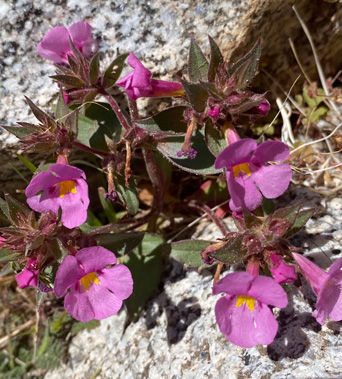
Bigelow's Monkey Flower (Mimulus
bigelovii) |
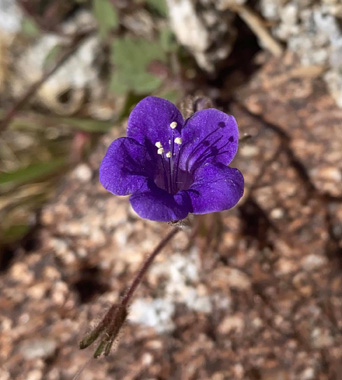
Canterbury Bells (Phacelia
campanularia) |
|
March 9, 2021
Elizabeth Warner took these beautiful shots
while exploring Plum Canyon. |
 |
|
|
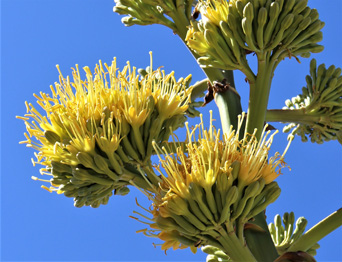
Desert
Agave (Agave deserti)
|
 |
 |
|
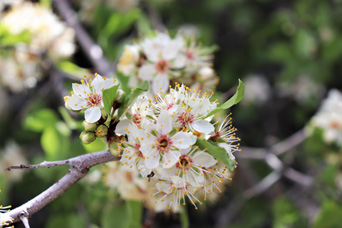
Desert Apricot (Prunus fremontii)
|
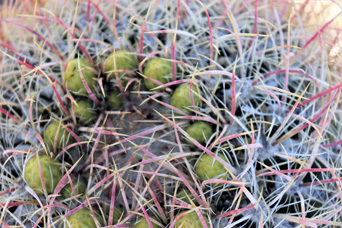
Barrel Cactus (Ferocactus
cylindraceus ) |
|
March 8, 2021
More gorgeous photos by Paulette Donnellon!
These were all taken in Grapevine Canyon. |
 |
|
|
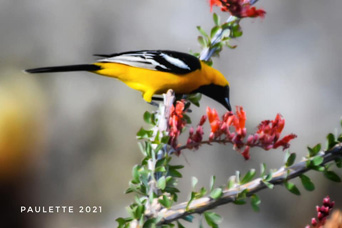
Hooded Oriole (Icterus
cucullatus)
Ocotillo (Fouquieria splendens)
|
 |
 |
|
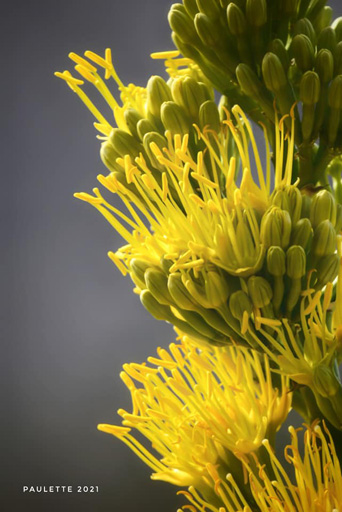
Desert Agave (Agave
deserti) |
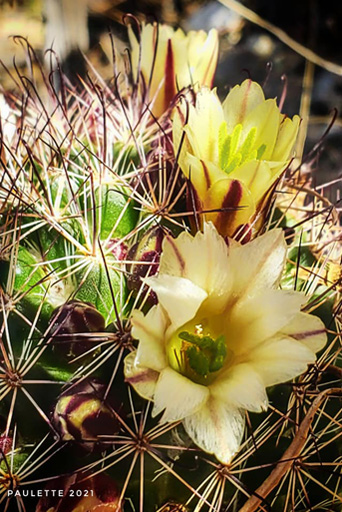
Fish-Hook Cactus (Mammillaria
dioica) |
|
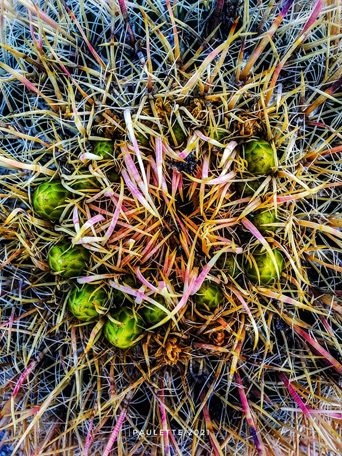
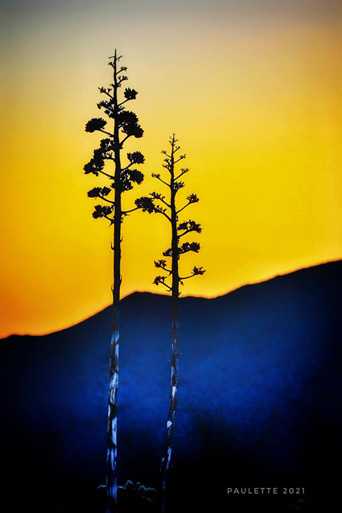
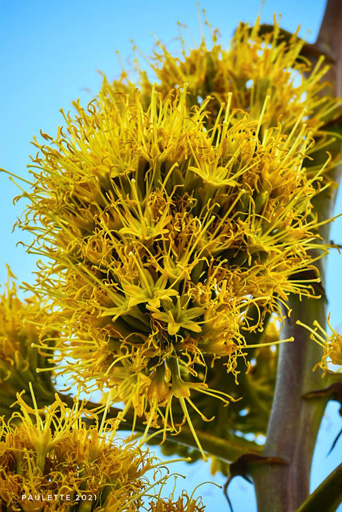
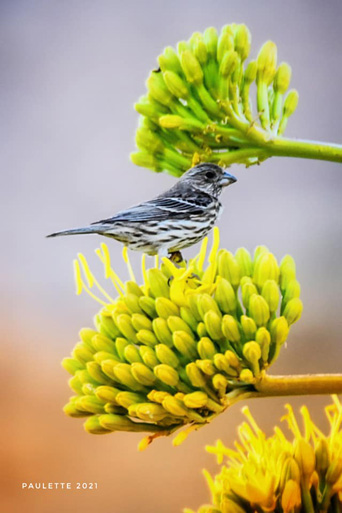
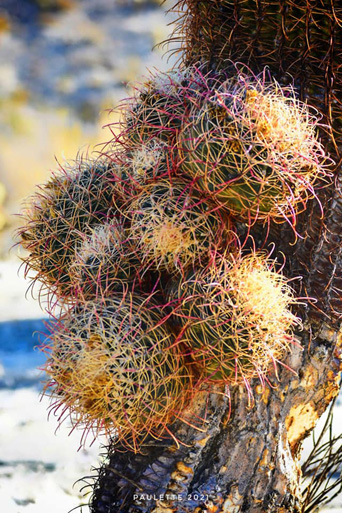
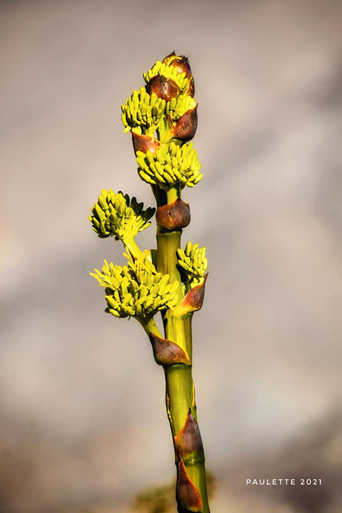
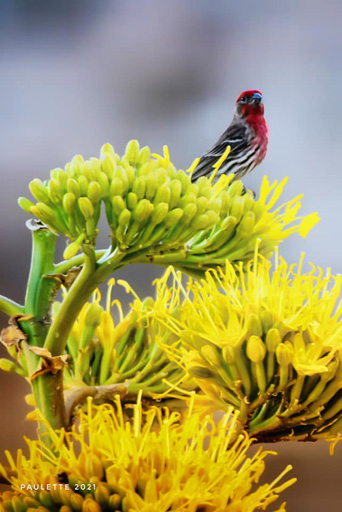
March 6, 2021
These amazing photos of desert agave
(Agave deserti) and barrel
cactus
(Ferocactus cylindraceus)
were taken by Paulette Donnellon in Mine
Wash.
She even managed to capture a couple of house finches (Haemorhous mexicanus)
on the agave blossoms!
Enjoy! |
 |
|
|
Barrel Cactus About to Bloom
|
 |
 |
|
Desert Agave Stalks |
Desert Agave Blooms |
 |
 |
|
Female House Finch on Desert Agave |
Barrel Cactus Cluster |
 |
 |
|
Desert Agave About to Bloom |
Male House Finch on Desert Agave |
|
|
March 3, 2021
Here's a great photo by Scott Burnham showing the storm
clouds in Anza-Borrego.
|
|
March 3, 2021
Borrego Springs and much of Anza-Borrego is
getting doused with a welcome amount of rain today (even as
this is being written), so we'll see if more blooms
start waking up over the next week! Be sure to scroll
down through the posts for the past week to see what's
blooming so far!
We are getting reports of a variety of individual
flowers starting to bloom in the canyons south of
Scissors Crossing, off of highway S2, such as in Rainbow
Canyon and Box Canyon. Rainbow Canyon is located 10.3
miles south of Scissors Crossing at mile marker 27.6 on
S2. The hike is strenuous because of the dry waterfalls.
You’ll find a detailed description on Robin Halford's
Hiking in Anza-Borrego Desert Volume 2,
page 147.
Use the new wildflower book for our area by James W.
Cornett, Wildflowers of Anza-Borrego, to help identify
the plants that are blooming. Both of these books are available
in the Borrego Desert Nature Center or online at
https://www.abdnha.org/store/.
Look for blooms in these canyons
and higher
elevations:
- Glorietta Canyon
- Box Canyon
- Rainbow Canyon
- Hornblende Canyon
- Salvador Canyon
- Culp Valley
|
Look for these plants, among
others:
- Fishhook Cactus,
Mammillaria dioica
- Wild Heliotrope,
Phacelia distans
- Purple Mat, Nama demissa
- Rock Pea, Ottleya rigida
- Desert Apricot,
Prunus fremontii
- Canterbury Bells,
Phacelia minor
- Dudleya arizonica |
|
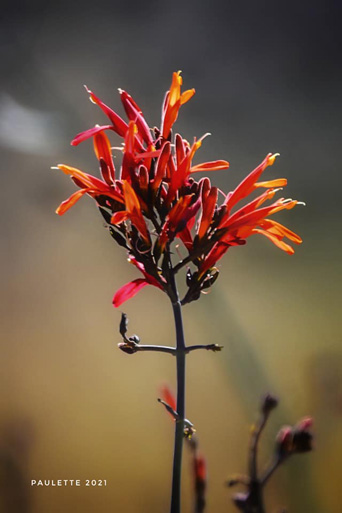
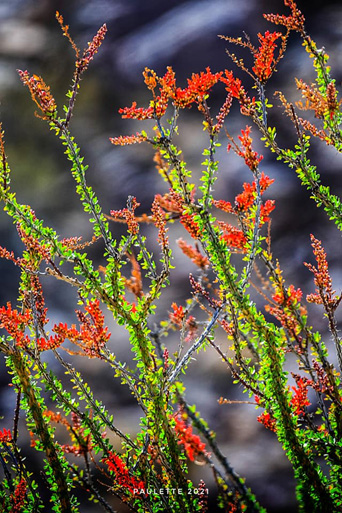
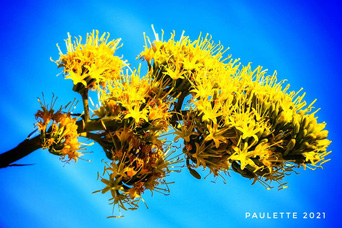
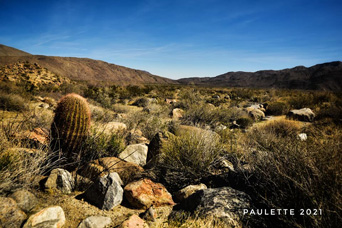
February 28, 2021
Paulette Donnellon
took these breath-taking bloom shots in Salvador
Canyon. This lesser-known canyon is up past
Coyote Canyon. The last photo shows a nice view
of the canyon.
 |
 |
|
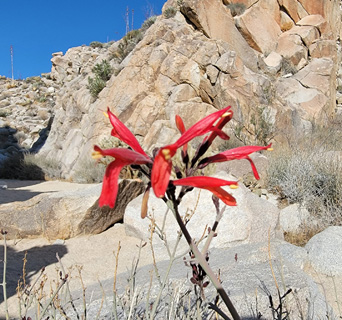
Chuparosa (Justicia
californica) |
Ocotillo (Fouquieria splendens) |
 |
 |
|
Desert Agave (Agave deserti)
|
Salvador Canyon |
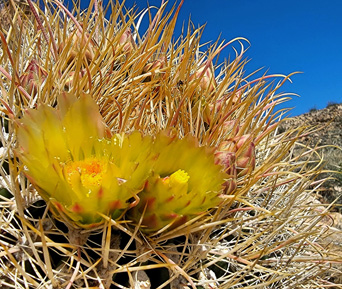
February 28, 2021
"There's
no flowers," they said.
"Not enough rain," they said.
"Wait until next month," they said.
"See flowers at Walmart," they said.
So glad I didn't listen.
--James Dale
James Dale took these beautiful bloom photos
below.
The chuparosa was spotted in Blair Valley, and
the desert sand verbena in Box Canyon. The
fish-hook cactus,
California barrel cactus, and desert
apricot were all found in Hornblende Canyon.
 |
 |
|
Calif. Barrel Cactus (Ferocactus
cylindraceus) |
Desert Apricot (Prunus fremontii)
|
 |
 |
|
Chuparosa (Justicia californica)
|
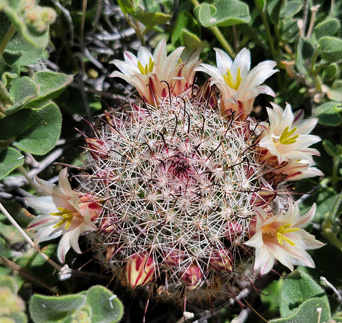
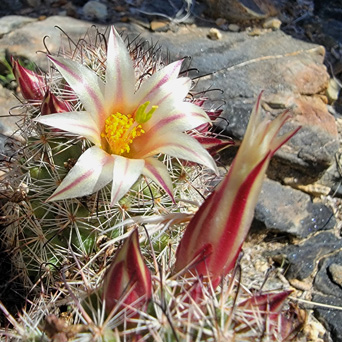
Fish-Hook Cactus (Mammillaria
dioica) |
 |
 |
|
Fish-Hook Cactus (Mammillaria
dioica) |
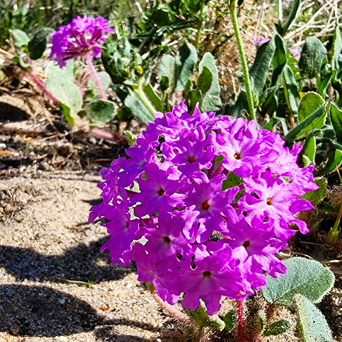
Desert sand verbena (Abronia villosa
villosa) |
|
|
February
27, 2021
While a superbloom seems unlikely, the blooms
that we do find are super.
--Howard Greybeard
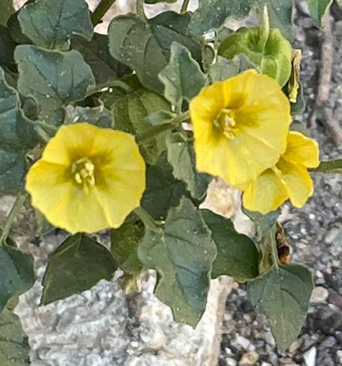
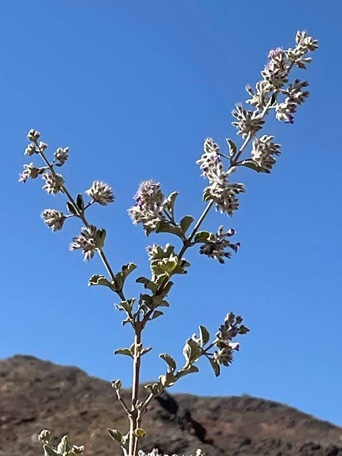
Howard Graybeard discovered these lovely
groundcherry and desert lavender blooms in the
Coyote Mountain Wilderness:
 |
|
|
Thick Leaf Groundcherry (Physalis
crassifolia) |
Desert Lavender (Hyptis emoryi) |
|
February
27, 2021
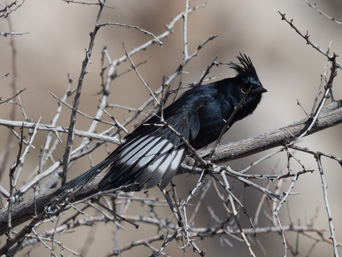
Craig Denson took these
beautiful photos in Culp Valley:
 |
 |
|
Phainopepla (Phainopepla nitens) |
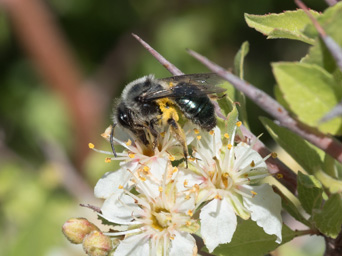
Bee (Andrena cerasifolii) in
Desert Apricot (Prunus fremontii) |
 |
 |
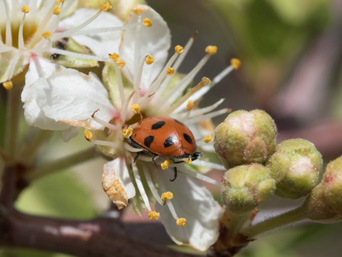
Ladybug (Coccinellidae) in
Desert Apricot (Prunus fremontii) |
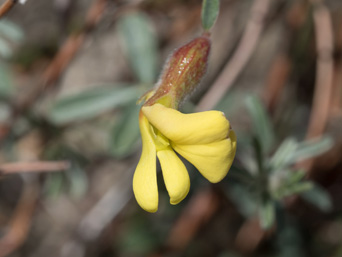
Desert Lotus (Acmispon rigidus or
Ottleya rigida) |
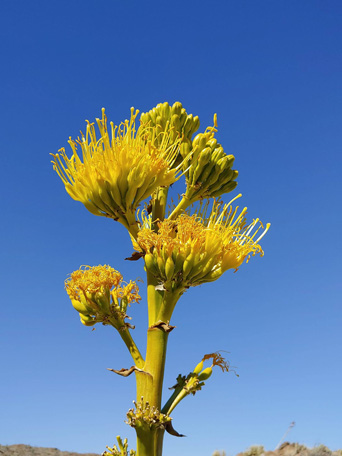
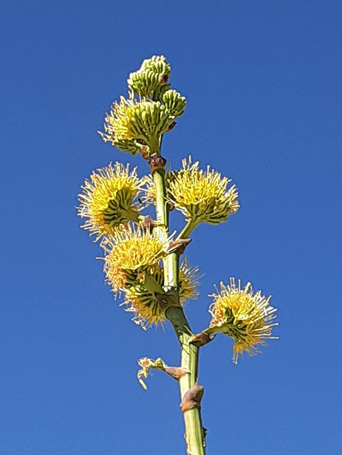
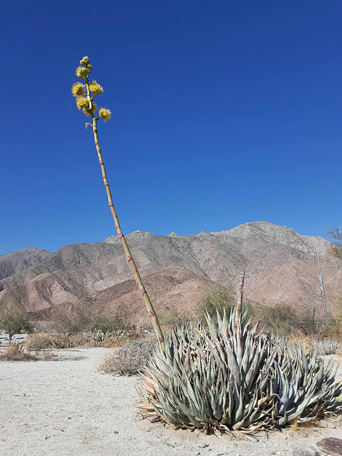
February 26, 2021
We've got some fast-growing desert
agave plants (Agave
deserti) all around the park shooting up and blooming
with beautiful yellow flowers.
The photo on the right is a
desert agave at the top of
Glorietta Canyon,
taken by Penny Lundquist.
Jean Brugger took the two photos below of a
desert agave on the roof of the
park visitor center. |
 |
 |
 |
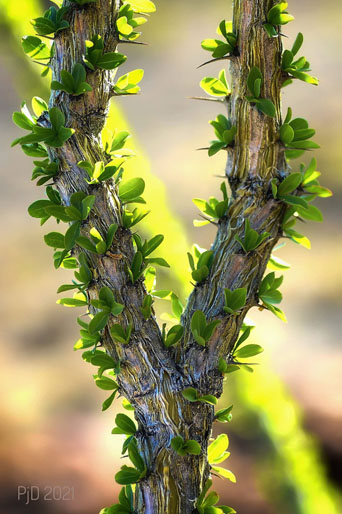
February 21, 2021
We are getting a few reports of isolated
blooms here and there around the park -
mostly chuparosa and brittlebush at this
point.
The photo on the right is a great close-up
shot of an ocotillo (Fouquieria
splendens) leafing out in Glorietta Canyon,
taken by Paulette Donnellon.
A ghost flower and some phacelia were
spotted in Borrego Palm Canyon - see those
photos below.
We will continue to post wildflower updates
and photos as we get them... Stay tuned! |
 |
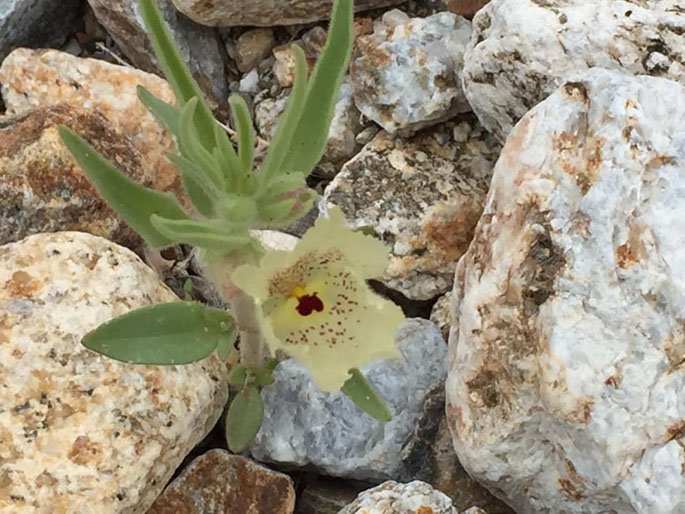 |
Ghost Flower (Mohavea confertiflora)
Borrego Palm Canyon
Photo by Susie Ortiz Jones |
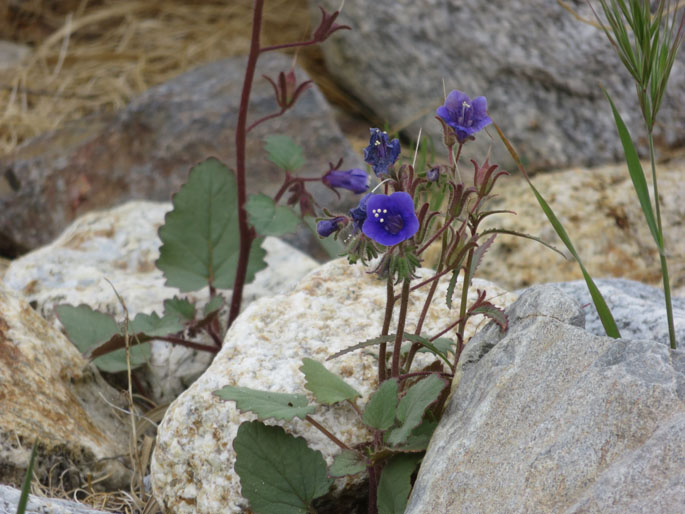 |
Canterbury Bells aka Desert
Bluebells (Phacelia campanularia)
Borrego Palm Canyon
Photo by Susie Ortiz Jones
|
February 7, 2021
Nothing excites a true desert dweller like
rain. The smell of rain, the sound of rain, the look
of rain, even the prediction of rain! We had all
that in abundance, by desert standards, the last
week of January.
That excites us about what's ahead: wildflowers! The
anticipation of springtime, when seeds hidden in the
sand, perhaps for years, germinate and color the
landscape in bright and subtle shades not seen the
rest of the year.
No matter where the season develops on the spectrum
of poor to super, we already see flowering shrubs
responding to the recent rain. Early bloomers strut
their stuff! Here and there are the orange-red
chuparosa, the look-at-me sunny brittlebush, and the
new-green of ocotillos leafing out in hope and
anticipation of more to come....just like us!
Keep a lookout for some of these desert first
responders:
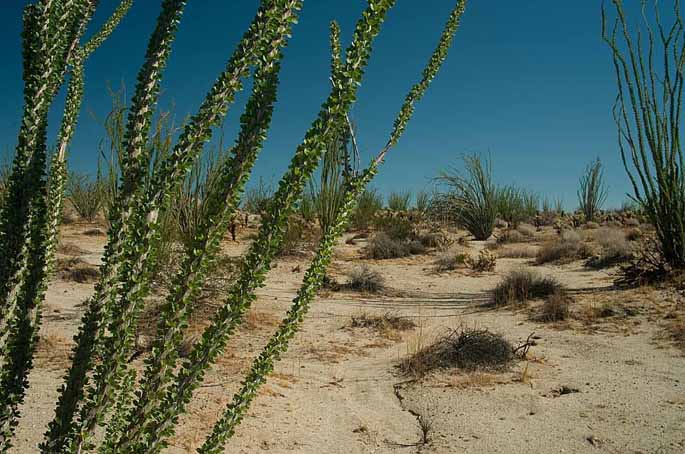 |
Ocotillo (Fouquieria splendens) Leafing Out After Rain
Photo by Bill Sullivan |
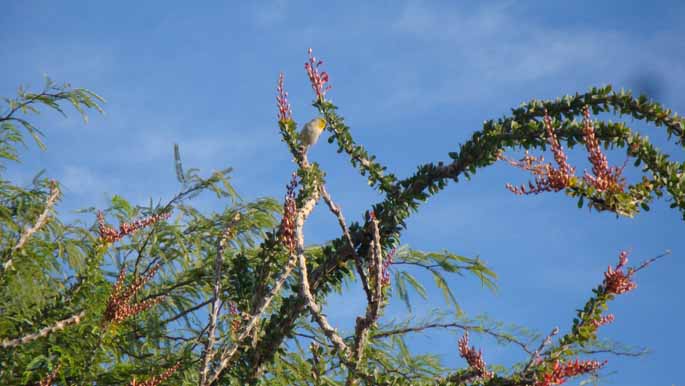 |
|
Verdin (Auriparus flaviceps) on Leafed-Out Ocotillo
(Fouquieria splendens) |
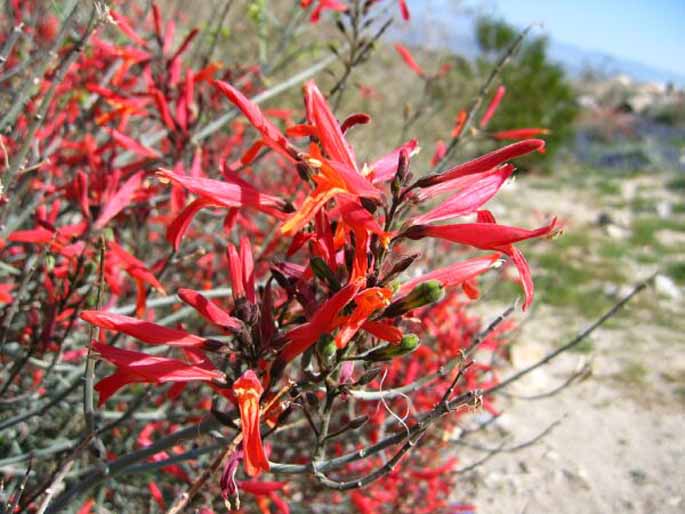 |
Chuparosa (Justicia californica)
Photo by Paul Nierman |
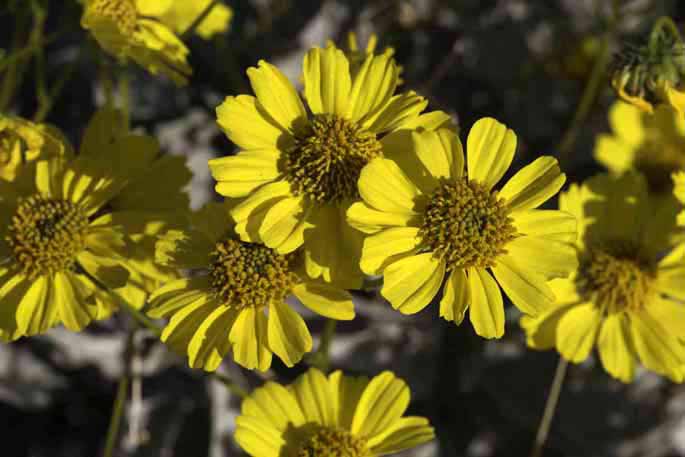 |
Brittlebush (Encelia farinosa)
Photo by Bill Sullivan |
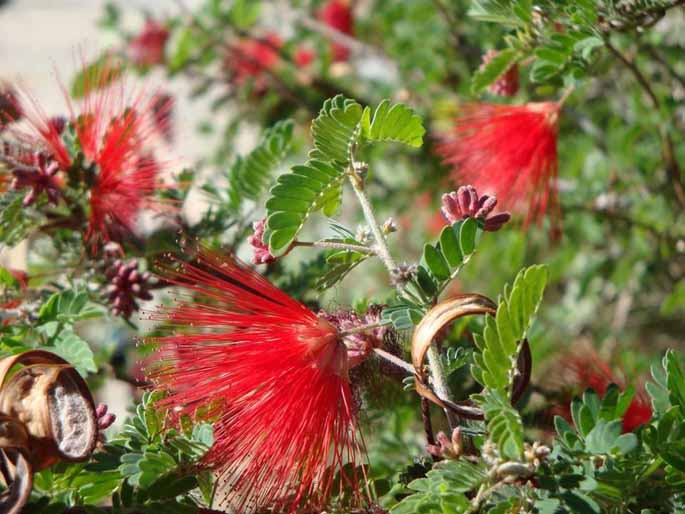 |
Baja Fairy Duster (Calliandra
californica)
Photo by Betsy Knaak |
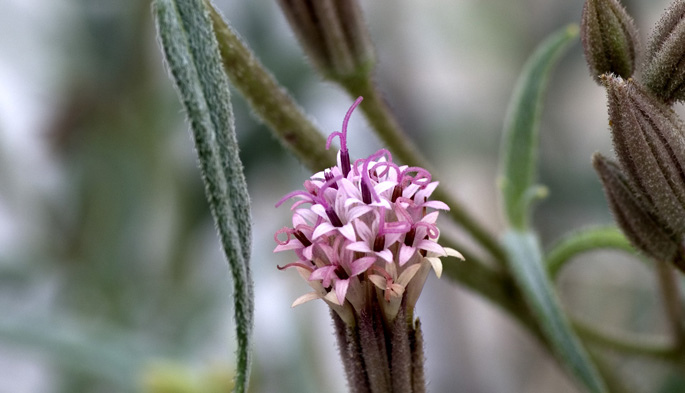 |
Spanish Needle (Palafoxia arida)
Photo by Bill Sullivan |
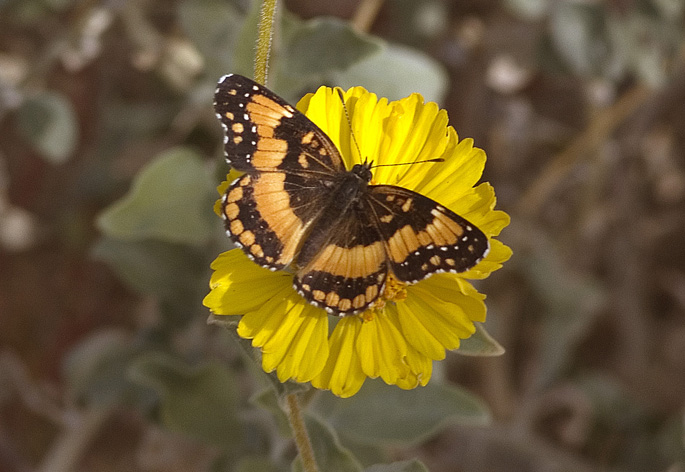 |
California Patch Butterfly (Chlosyne
californica) on
Brittlebush (Encelia farinosa)
Photo by Bill Sullivan |
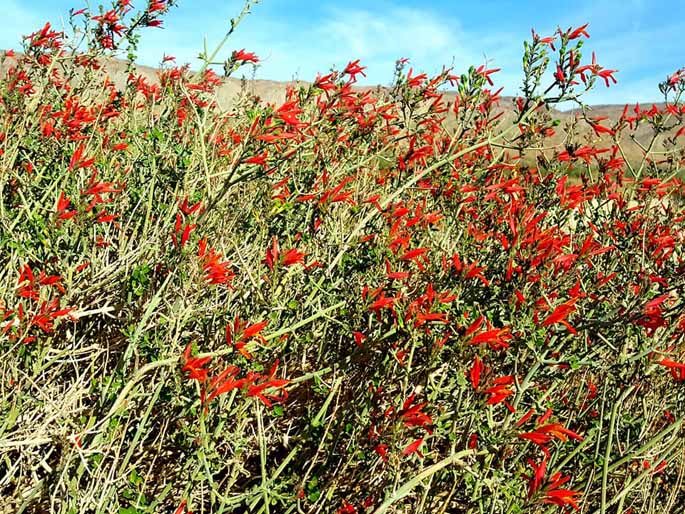 |
Chuparosa (Justicia californica)
Photo by Amy Brewster |
|
June 29, 2020
Due to health regulations announced in March by the
State of California,
San Diego County, and the closing of the state
park in that same period, we suspended our wildflower updates
at that time. The park is now open again but
there are some restrictions still in place,
see the park website.
We will resume our flower updates when the next
desert season begins in October. For those
visiting in summer, there are always some flowers to
be found in Anza-Borrego Desert State Park.
Those locations now will be the higher elevations as
well as the cool and shaded areas of washes and
canyons. Even without flowers, these areas are
wonderful to explore. The best time to hike is
very early in the morning. Be certain to carry
ample water as normal summer temperatures by mid-day
will often exceed 110 degrees. The ABDNHA
Desert Garden also has some flowers in bloom at this
time.
As always, we look forward to seeing you in Borrego
Springs!
- Your friends at ABDNHA
 |
 |
|
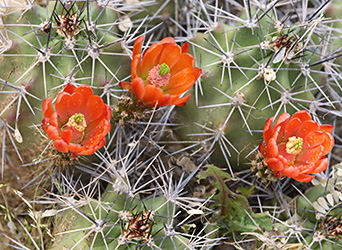
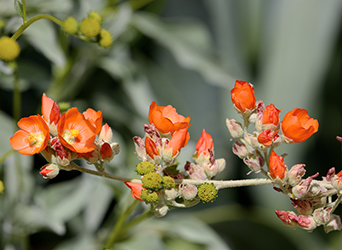
Claret Cup Cactus |
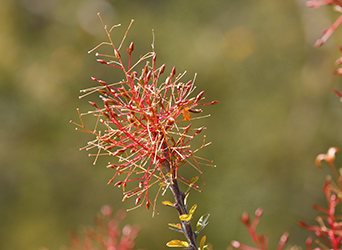
Firecracker Ocotillo - just starting to
bloom. |
 |
 |
|
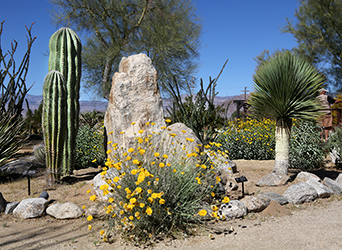
Desert Marigold |
Apricot Mallow |
 |
 |
|
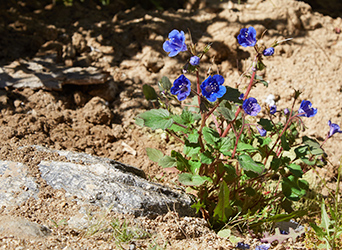
Canterberry Bells |
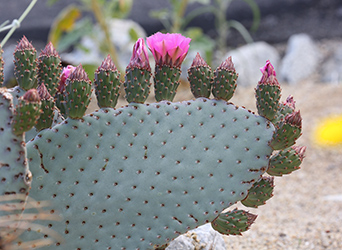
Beavertail |
 |
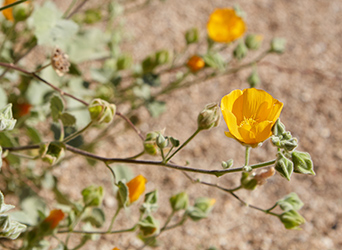 |
|
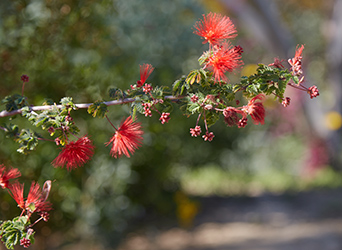
Fairy Duster |
Indian Mallow |
|
March 8, 2020
Desert Fivespot
The
information reported below for March 6 is still
valid. New information from Fred Melgert and
Carla Hoegen report an excellet bloom of Desert Five
Spots along a hiking route they describe as
Rockhouse Canyon in the southern part of the park.
Map and hiking directions are on Fred's Borrego
hiking website:
https://borregohiking.com/hiking/2019_rockhouse_canyon_loop.html
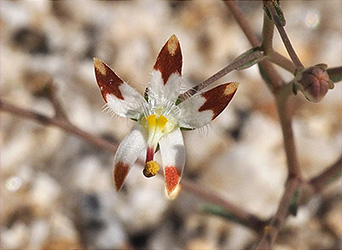
Nemacladus rubescens , Desert
threadplant
Fred Melgert |
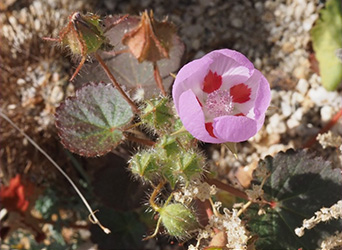
Eremalche rotundifolia , Desert
five spot
Fred Melgert |
|
March 6, 2020
See our
Map
The
bloom mentioned below is still
continuing in the same locations.
This year's
bloom is lightly scattered across many areas and is
different from the concentrated carpets of flowers
last year. But there are many locations worth
visiting. The easiest place continues to be at
the end of DiGiorgio Road and going into Coyote
Canyon. In addition to the areas mentioned
in our report on February 19, we have also had
reports of flowers in Fish
Creek Wash, mostly in the shady sides of the canyon.
Printed copies of our map are available in the
ABDNHA Desert Nature Center, 652 Palm Canyon Drive.
|
|
|
February 19, 2020
There is currently an early
spring bloom taking place in many locations in
Anza-Borrego. Close to town the best place to
go is Coyote Creek. The flowers there are
dominated by bright yellow desert dandelions but
there are many other species in the mix, white
chicory, orange desert sunflowers, and purple sand
verbena. There are flowers at the beginning of
the dirt road but the best areas are about 1 1/2
mile in. The road is in excellent shape right
now and suitable for any vehicle (with care) to
first crossing. Beyond first crossing high
clearance is essential and 4WD is recommended, but
it is not necessary to go that far.
If you are looking for desert lilies there is a nice
bloom taking place at the Arroyo Salado Campground.
Look for flowers along the road that leaves the
campground to the east. Desert lilies are also
reported along the route to the Calcite Mine. Here
is a iphone shot from Arroyo Salado from earlier
today.
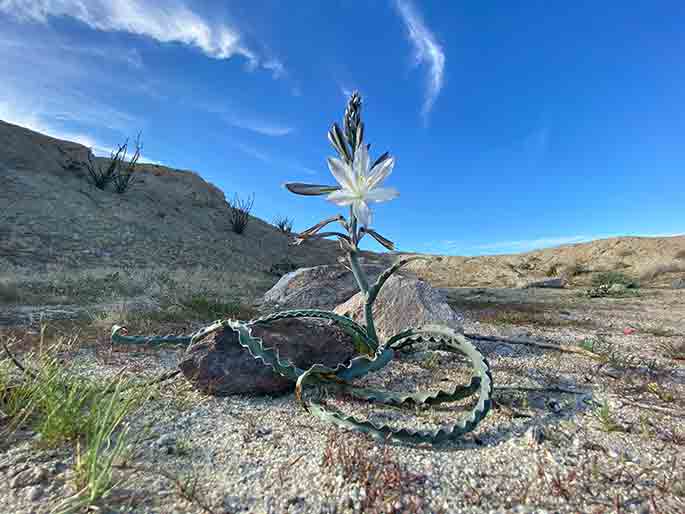
Desert Lily Mike McElhatton Arroyo Salado 2/19/20 |
|
|
|
|
Recent
Reports:
February 9, 2020
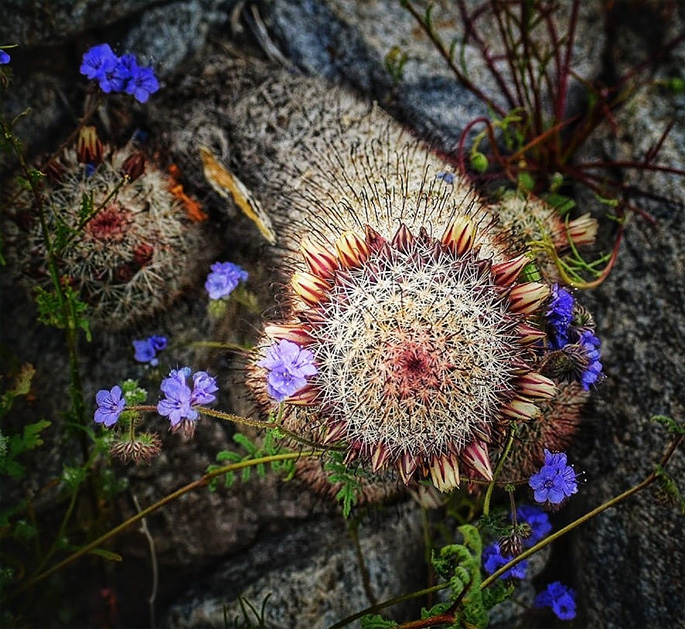
Fishhook cactus is beginning to bloom along the
Yaqui Well Trail across from the Tamarisk
Campground.
Photo by Abby King
February 8, 2020 Report by Fred Melgert
Little Clark Dry Lake
Desert Lily is reported in this area along with
Phacelia, Desert Chicory, and some sand verbena.
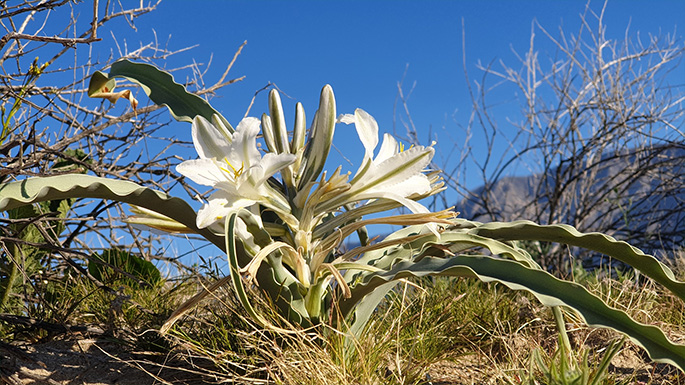
Desert Lily
Hesperocallis undulata
Photo by Fred Melgert
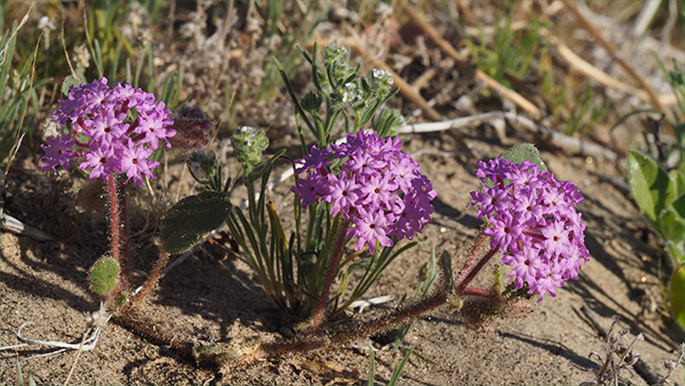
Desert Sand Verbena Abronia villosa villosa Photo
by Fred Melgert
February 8, 2020 Report by Marie Thompson
Desert Lilies have begun to bloom at the Calcite Mine,
north of S22, approximately 19 miles east of Borrego
Springs.
|
START 2020 Spring Wildflower Season |
October 21,
Oriflamme Canyon by Fred and Carla
The highlight here was Hooker's evening primrose,
but not easy to find a fresh night bloomer, even
when you are early in the morning. Boundary
goldenbush that are almost in prime bloom.
Hike Information
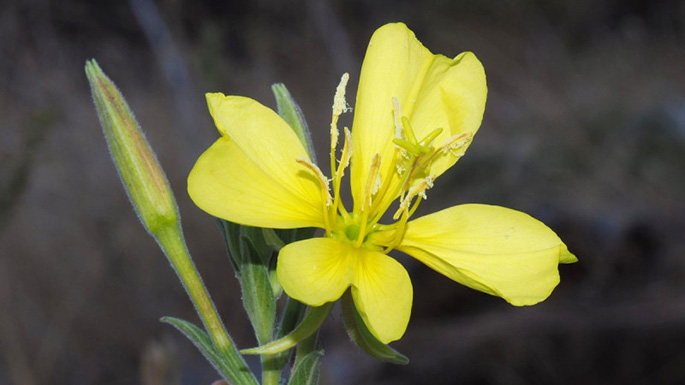
Hooker's evening
primrose Oenothera elata hirsutissima
Fred Melgert
California
fuchsia Epilobium canum latifolium
Fred Melgert
March 24: The Cacti
begin to bloom
We took a trip around today to see where the cacti
are blooming. We found barrel cactus, fishook
cactus, beavertail cactus, and hedgehog cactus in
bloom in the lower elevations around Borrego
Springs. In many cases it is individual plants
here and there, and many other plants nearby with
mature buds all set to go. Different species
are found in different areas but the best all-around
area we found was along the Yaqui Wells Trail across
from the Tamarisk Grove Campground. Glorietta
Canyon should be good in the weeks ahead.
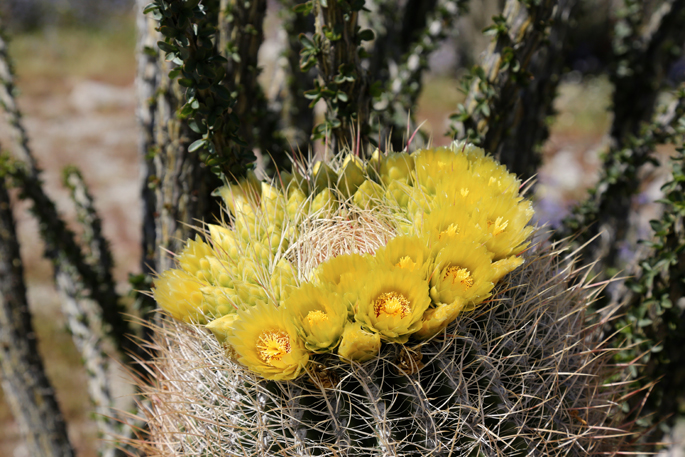
Barrel Cactus Yaqui Well Trail March 23
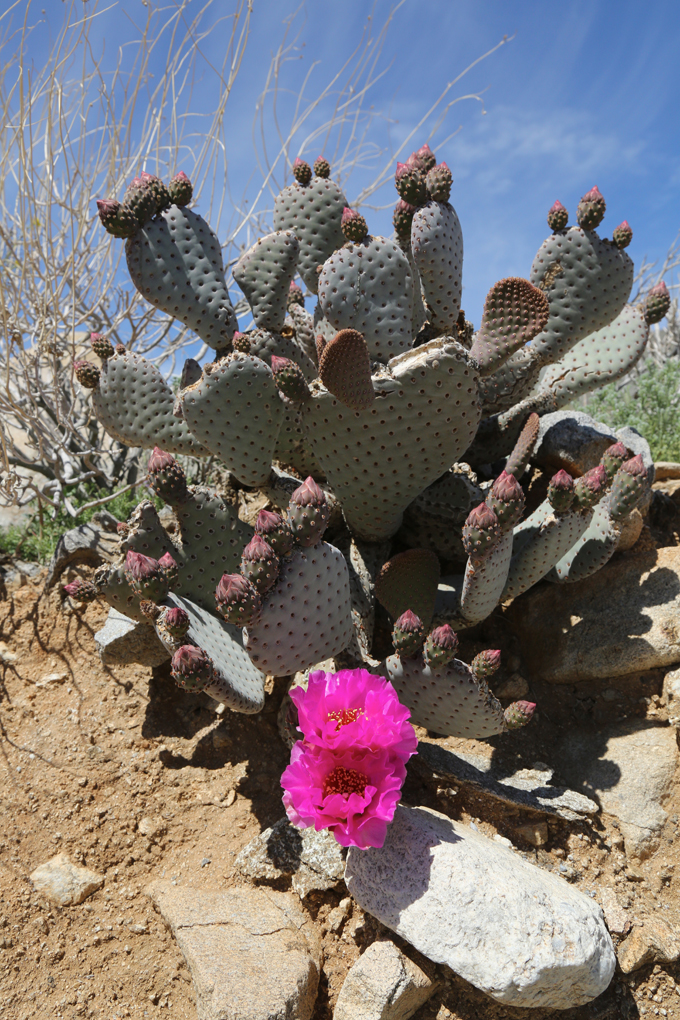
Beavertail Cactus Yaqui Well Trail March
23
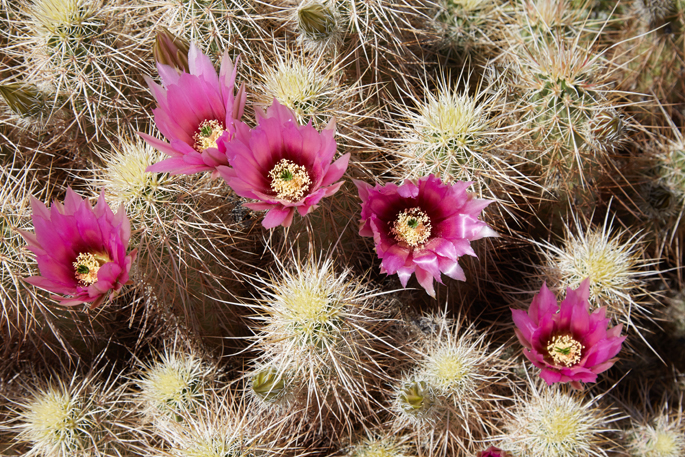
Hedgehog Cactus Glorietta Canyon March 23
March 22: General Update
We have a flower report of the southern sector of
Anza-Borrego Desert State Park from ABDNHA Member
Dr. Juergen Schrenk covering the area along S2 from
Scissors Crossing south to Ocotillo with inviting
flower stops along the way. He writes, “...if you
like wildflowers..., then it’s virtually impossible
not to get carried away this remarkable season. ” We
agree!
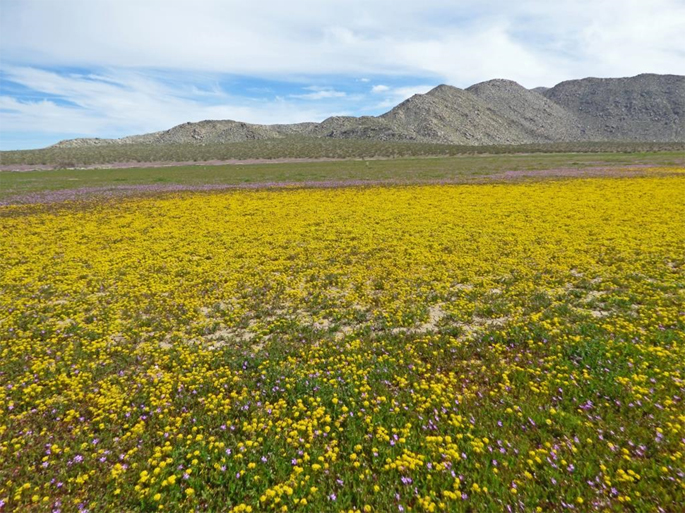
Stops include Little Blair Valley to see the
spectacular field of Yellow Peppergrass
Photo by Dr. Juergen Schrenk
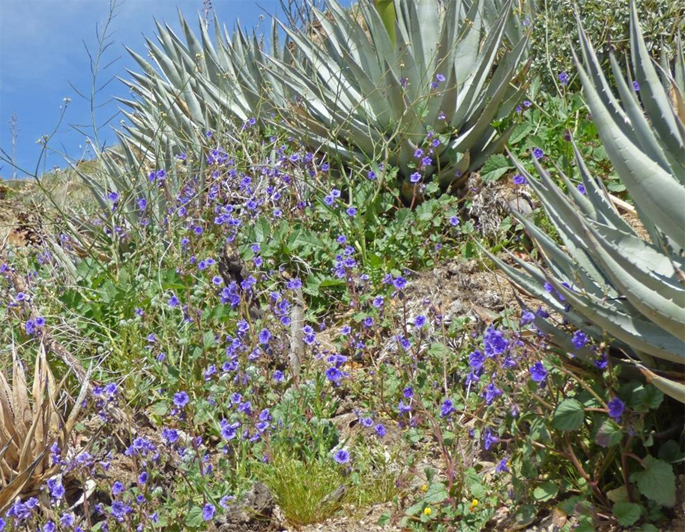
In the Box Canyon area,
patches of Phacelia minor will catch your attention.
Photo by Dr. Juergen Schrenk
Further along the road, south of Agua Caliente,
Desert Star became common, together with another of
our favorites, Ghost Flowers.
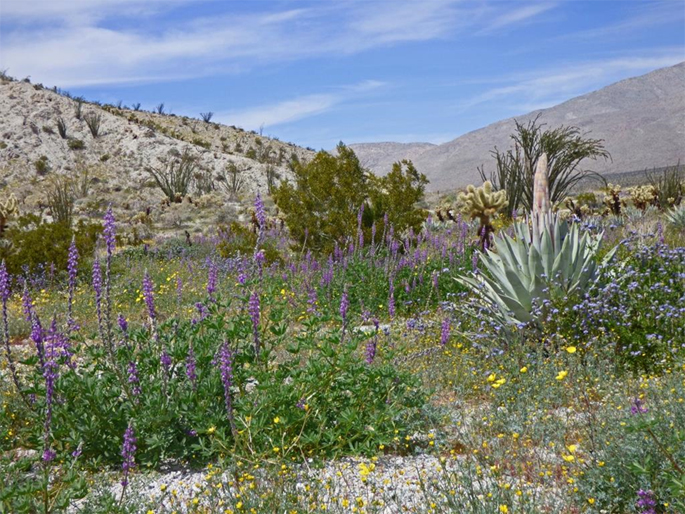
Photo by Dr. Juergen Schrenk
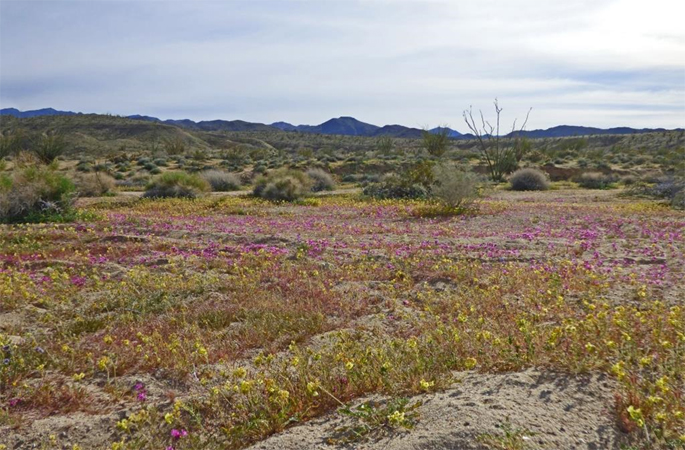
Before reaching
Ocotillo, we took a look into Jojoba Wash
Photo by Dr. Juergen Schrenk
March 19: General Update
The bloom is still going
strong but it is changing. We are likely now
seeing plants in bloom that germinated from the
mid-February rain. This gives us new areas in
bloom and different flowers from the past couple of
weeks. In many ways the bloom right now has a
bigger "wow" factor because it is so electric bright
- with yellow being the main color of the moment,
from yellow desert dandelions and poppies, and the
accent color being the purple of phacelia.
It's easy to see lots of flowers just driving around
Borrego Springs, and
our map has a suggested driving route to catch
the best areas.
One of the very interesting things to be seen right
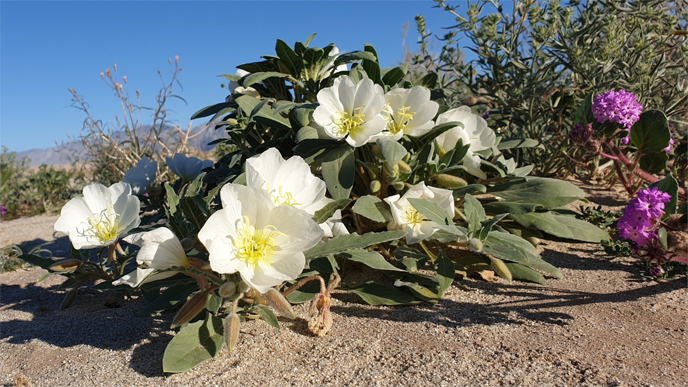
now is the vast bloom of Dune Evening Primrose
growing out of cracked dried mud patterns on
Henderson County Road. They are fragile as
delicate glass and they will surely fall apart as
people explore the area, but they make for beautiful
photos if you can get there. The photo below
is by Xianjing Hu and was posted on the
BorregoBlooms Facebook page.
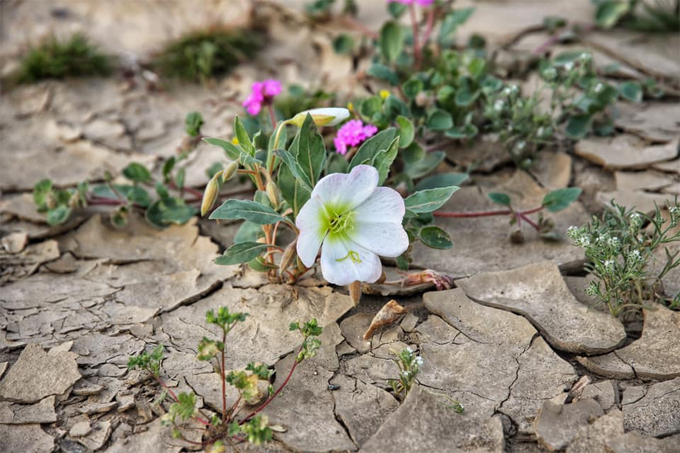
Photo by Xianjing Hu
e took a look today otillo
in Yellow" - with some desert lilies as well.
Ocotillo are beginning to bloom along Borrego
Springs Road in the area known as the "ocotillo
forest", about two
March 16: The Ocotillo Forest.
"Ocotillo
in Yellow" - with some desert lilies as well.
Ocotillo are beginning to bloom along Borrego
Springs Road in the area known as the "ocotillo
forest", about two miles south of Christmas Circle.
Yellow desert dandelions covered the ground on a
walk-through today, mixed with some chicory.
There are also desert lilies, some in bloom, some
just coming into bloom. The lilies all seem to
be located withing about 100 feet of the roadway.
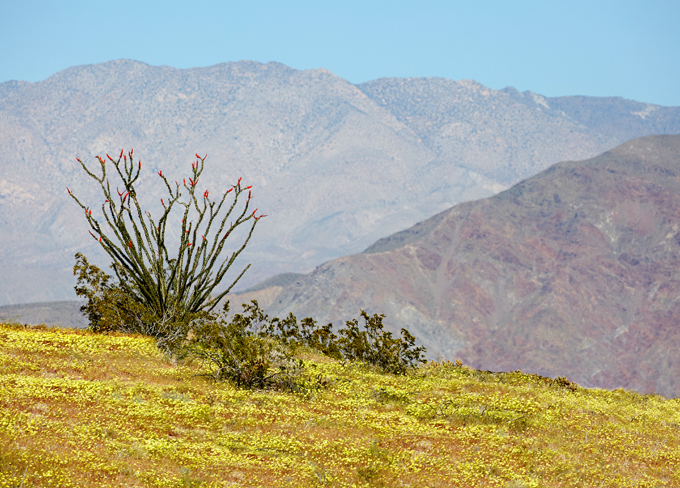
Photo by Mike McElhatton.
March 15: Barrel cactus
are blooming in Texas Dip.
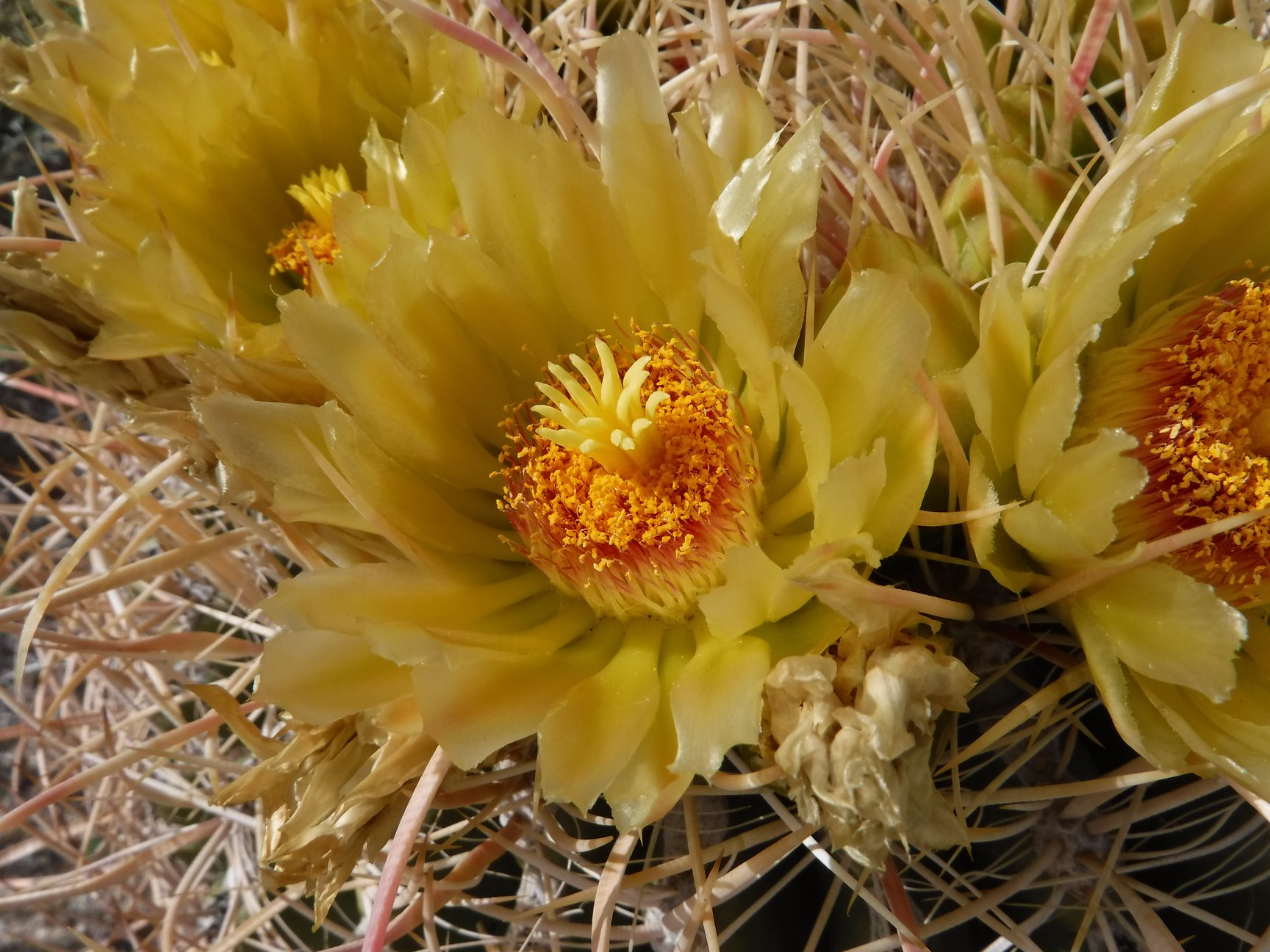
The waxy yellow flowers of barrel cactus in bloom -
Texas Dip. Thank you Harlod Willome for this
photo.
March 11:
For those who want some desert solitude with their
flowers, Judy sends a report for two spots in the
south end of the park.
Thanks, Judy. Two spots:
#1 Driving south on S-2, stop at the
overlooks south of Canyon Sin Nombre. Here are
some shots she sent us:
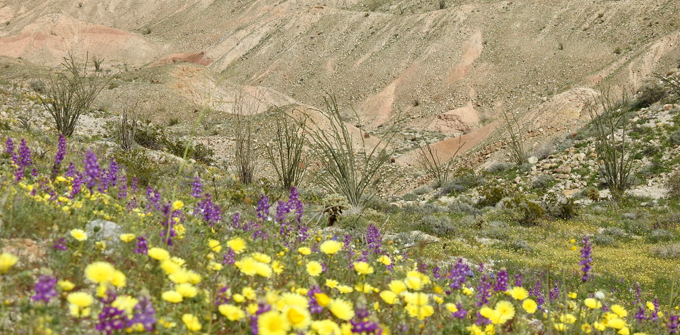
Overlook view, south of
Canyon Sin Nombre Photo by Judy Stewart
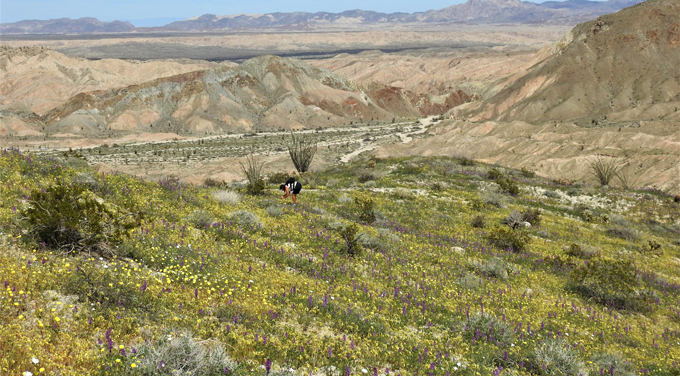
Overlook view, south of
Canyon Sin Nombre Photo by Judy Stewart
Stop #2 is not far away, Carizzo wash.
She says you can park on the side of the road and
you only have to walk in a little ways.
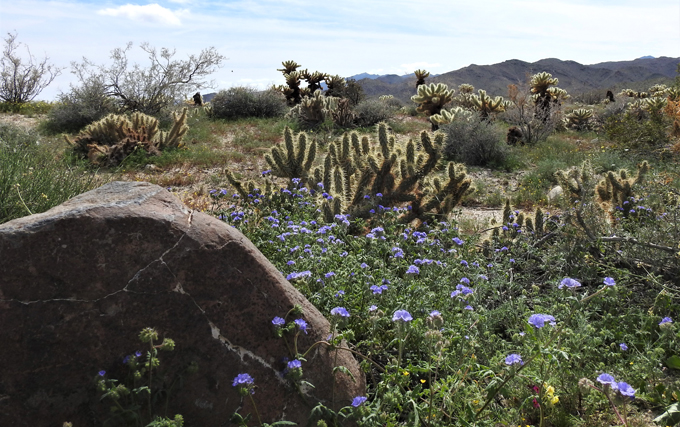
Carizzo Wash Photo by Judy
Stewart
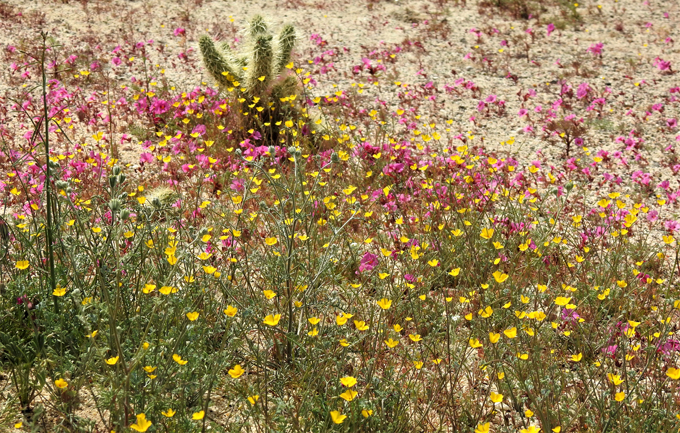
Carizzo Wash Photo by Judy Stewart
March 10: Some photos
from today
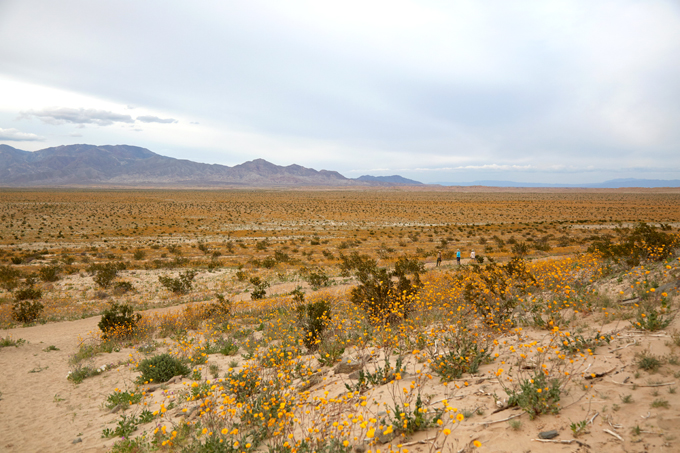
A vast sea of desert sunflowers stretches for miles
to the north of Devils Slide in the
Ocotillo Wells SRVA. The sunflowers also
stretch west to areas bordering Buttes Pass Road.
Photo by Mike McElhatton

Brad Pietrzak sends us this photo taken off of the
Truckhaven Trail in an area we reference as #1 on
our "East
of Borrego Map," an area where the bloom is
expanding in the direction of Clark Dry Lake.
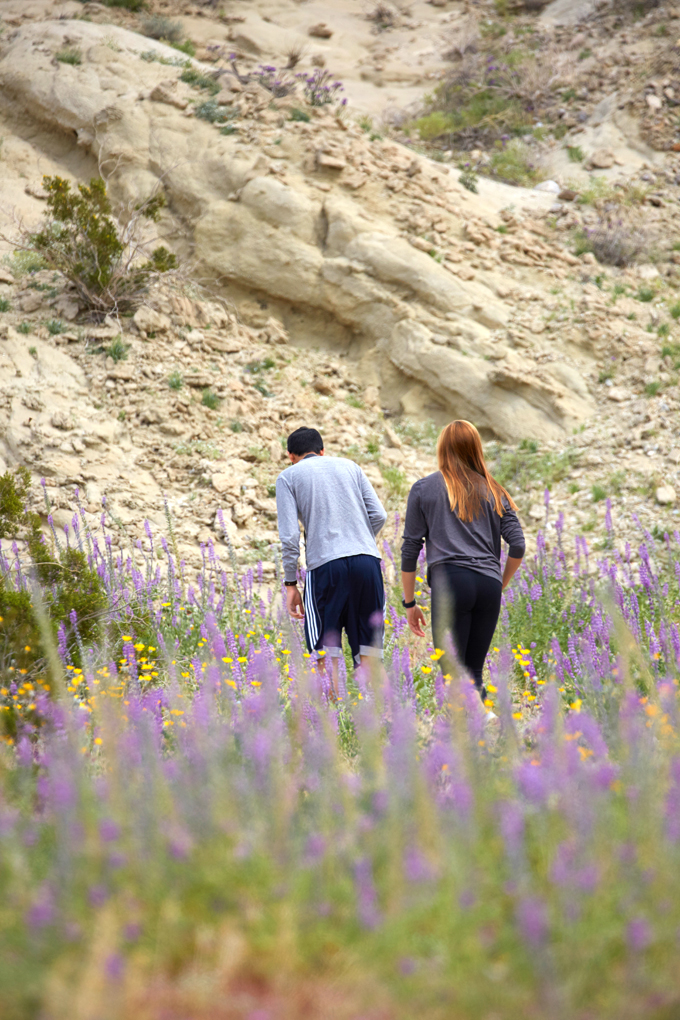
A walk in Coachwhip Canyon offers a quiet desert
experience among beautiful rock formations, away
from the more crowded viewing areas. Photo by
Mike McElhatton
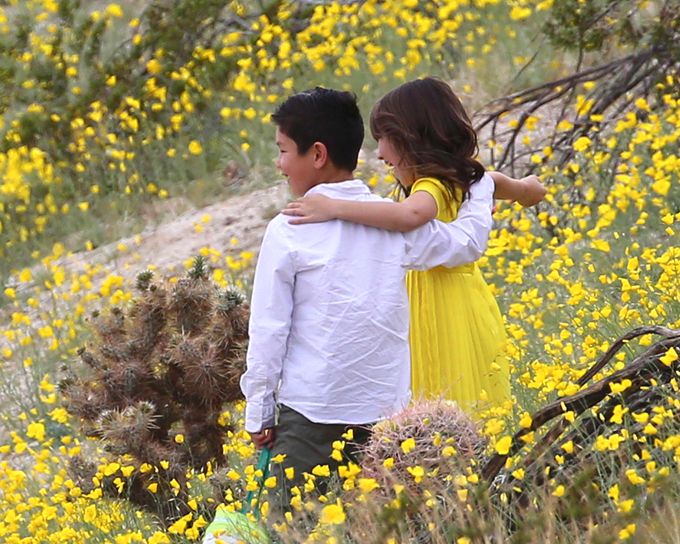
A brother and sister take in all the yellow poppies
on the slopes of Texas Dip, San Felipe Wash.
Photo by Mike McElhatton
March 8: Tonight we have pictures of people enjoying
flowers.
Taken earlier today.
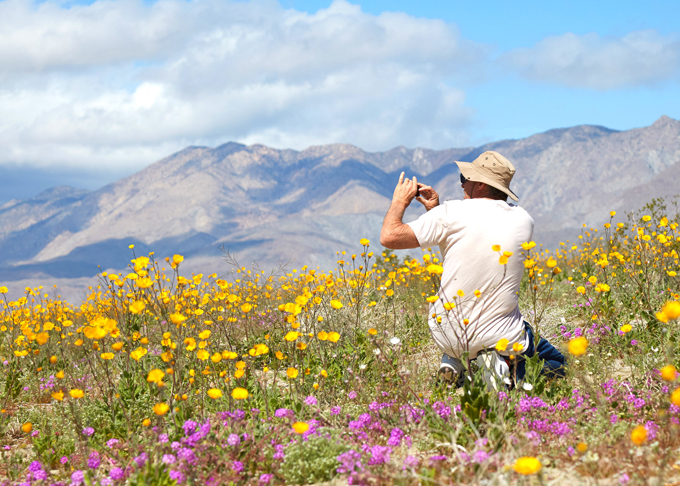
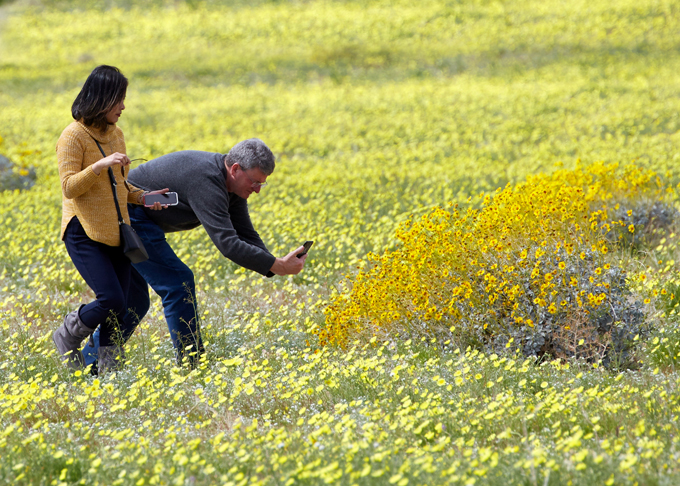
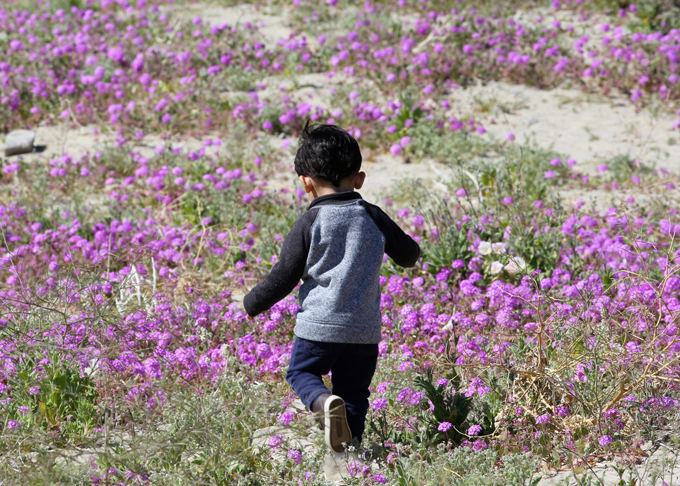
Photos by Mike McElhatton
March 7: Parish's Poppies along San Felipe Wash
There is an extensive
bloom of parish's poppies along the south facing
slopes of San Felipe Wash.
Drive south from Borrego Springs Road to the area
known as "Texas Dip" and then park on the side of
the road at the bottom of the hill. Walk to
the west along the
steep slopes of the wash'
the hillsides are covered in poppies. See our
Borrego Springs Map
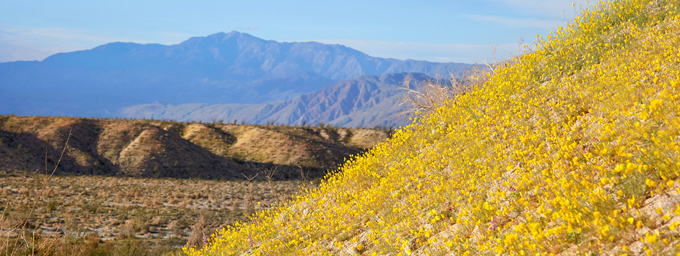
Parish's poppy, late afternoon sun, on a
hillside along San Felipe Wash. Mike McElhatton
March 4: June Wash
We asked for some photos of June Wash and we received some
today from Bill McFall. The reports we had
been getting have said the area has a very diverse
bloom, and Bill's photo below shows that.
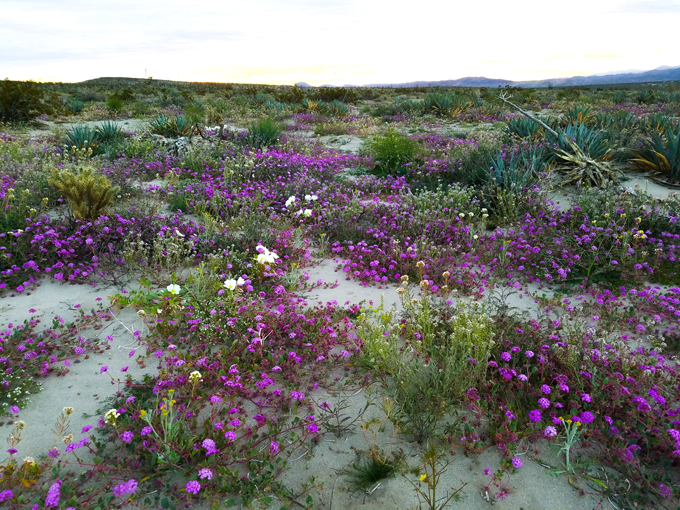
June Wash Photo by Bill McFall
March 2:
Botanist Kate Harper updates her 2019 bloom
forecast. Bottom
line, "The second big wave of flowers has begun
while some first wave blooms still linger. Many
lower elevation washes, canyons, and hillsides are
bursting with golden patches of poppies."
Download Forecast
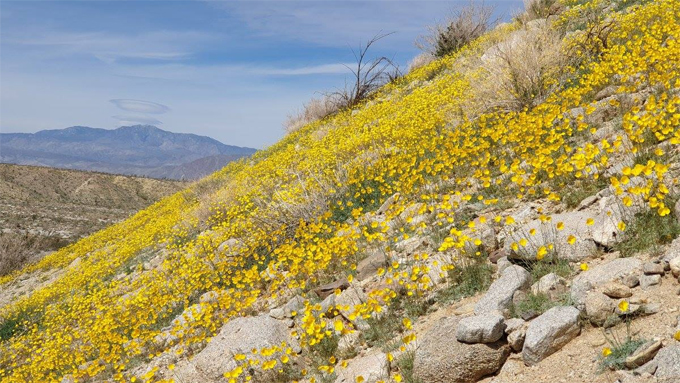
Hillside of Parish's Poppy by Fred Melgert
www.borregowildflowers.org
Mile Marker 83.4 Highway 78
February 28: Mile Marker
31, Highway S-22
We took a photo of this area on Feb. 15 and said to
keep an eye on it, as the sand verbena would be
explanding. Here's a shot from today, late
afternoon. You can compare with the short from
two weeks ago that is posted below. The
verbena should continue to expand in the days and
weeks ahead.
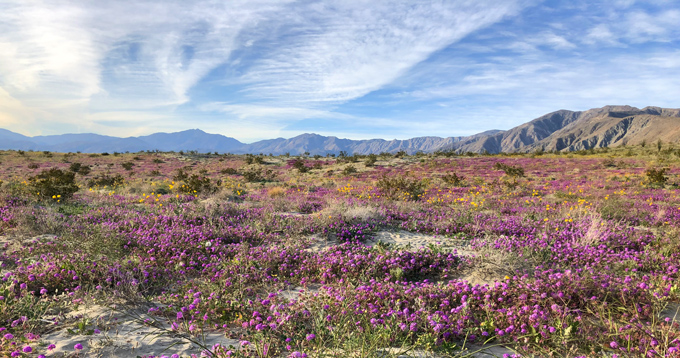
Mile Marker 31 - Highway S-22 Photo by Mike McElhatton
February 28: Hellhole Canyon
With the Borrego Palm Canyon Trail still closed due
to flood damage and deep water on the trail,
Hellhole Canyon is a nearby area to be explored by
those wanting to hike. Fred and Carla hiked
this area and have reported finding fields of Wild
Canterbury Bells, an unusual find. They also
report that the side canyons, notably Flatcat Canyon
is even better, with common Phacelia, Bigelow's
Monkey Flower, Wild Canterbury Bells, and Parish's
Poppy. The hiking details of their trip are here:
https://borregohiking.com/hiking/2019_hellhole-flatcat_loop.html
Photos from their hike are below:
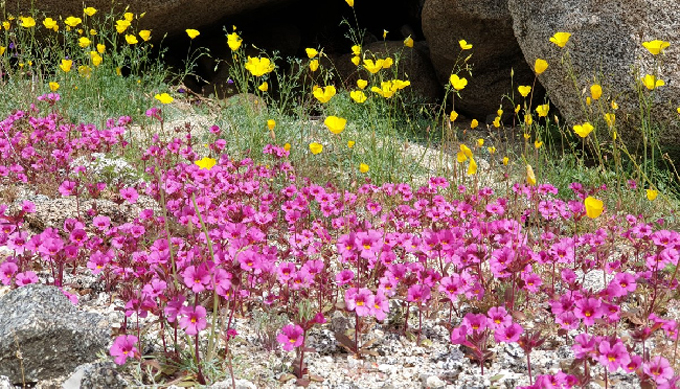
Bieglow's Monkey Flower - Photo by Fred Melgert
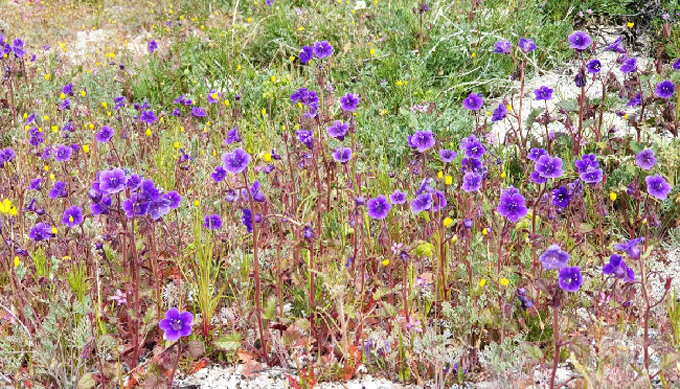
Wild Canterbury Bells - Photo by Fred Melgert
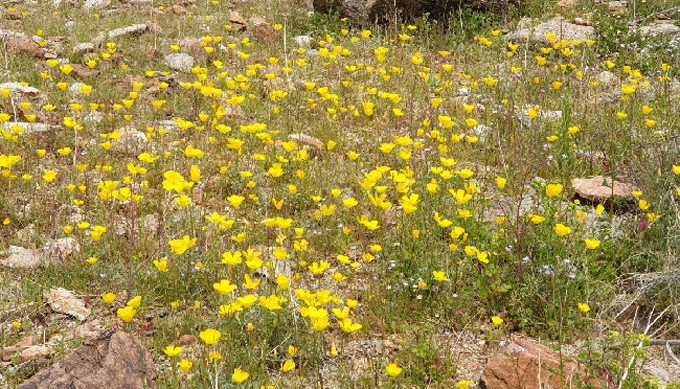
Parish's Poppy - Photo by Fred Melgert
February 23: End
of DiGiorgio Road - Update
The "mini superbloom" at
the end of DiGiorgio Road is steadily growing in
size. Park at the end of the road and walk
less than 1/4 mile on the dirt road that goes to the
east and you are in a sea of golden desert
sunflowers, with highlights of
purple Sand Verbena and white Dune Evening Primrose.
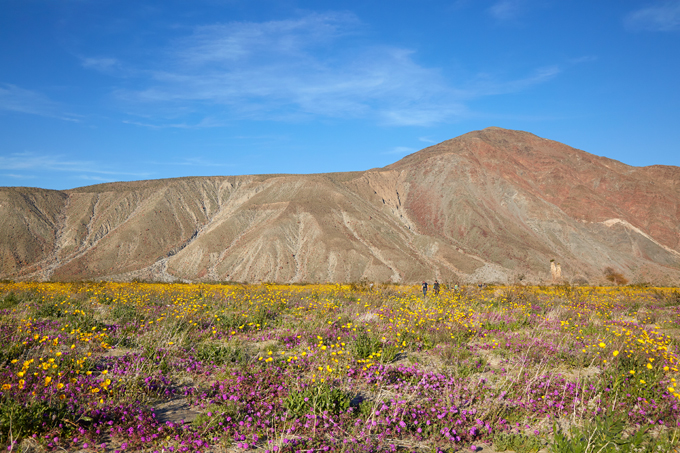
Flower field - Feb. 23 Photo by Mike
McElhatton
February 23 - Looking for Ghost Flowers?
Looking for Ghost Flowers? Finding Ghost Flowers? They are out there right now. If you spot them, take
some pics and post them, and let us know where.
You will find isolated plants, never fields of
Ghosts Flowers.
Ghost Flowers are often confused with Blazing Star;
they grow in the same areas as the Blazing Star, and
for reasons that benefit the Ghost Flowers. Ghost
Flowers use "double mimicry"; Ghost Flowers offer no
nectar to lure in the bees that they need for
pollination. But the Blazing Star does offer nectar.
By growing alongside the Blazing Star the Ghost
Flowers can lure in confused bees and achieve
pollination in the process. Also, look closely
inside the Ghost Flower. It looks like there's a bee
in there! Another mimicry that lures in real bees to
investigate.

Photos by Fred Melgert
February 21: End
of DiGiorgio Road
Marcy Yates reports more
colors are really starting to pop at the end of the
pavement at Digorgio road. Due to flooding, the road
to Coyote Canyon is closed at the end of the
pavement. Park and walk east on the dirt road. The
farther east you go, the more colors you will see.
Verbena, brown-eyed primroses, dune evening
primroses and desert sunflowers are scattered. At
least one desert lily was blooming.
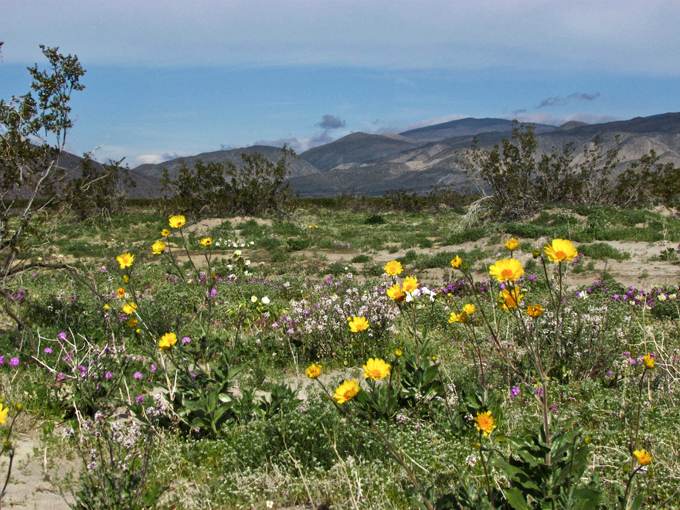
End of DiGiorgio Road Feb 20, 2019 Photo by Marcy
Yates
February 20:
Calcite Mine Road/Trail
We have a report from Jack and Becky that there is
an area along the road to the calcite mine ( Mile
Marker 38.2 on S22) that has a concentration of
desert lilies, some in bloom and others ready to
bloom. This area is described as being about
1/2 hour into the 45 minute hike to the mine.
The calcite mine road absolutely requires 4WD; don't
attempt it with anything less than that. But
it is a beautiful hike with magnificent rock
formations. See photo below.
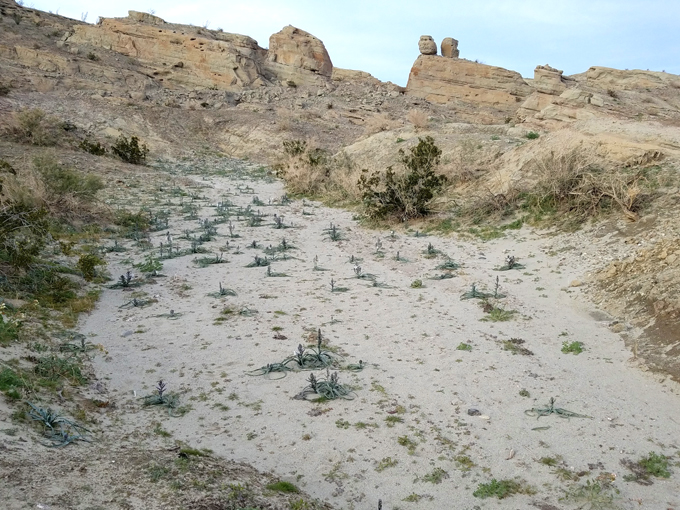
Along Calcite Mine Trail showing
concentration of desert lilies.
Photo by Becky Harbaugh
February 19:
Botanist Kate Harper updates her 2019 bloom
prediction following recent rain.
In summary, she says:
Bottom line, more flowers for longer! The big
Valentine storm event (2.98 inches) will extend the
flower season and increase the diversity of flowers.
Kate Harper, Desert Research Botanist
See full report here.
February 15: A look at
the Borrego Badlands - just east of Borrego
Springs
The bloom that is happening in the Borrego Badlands offers
something that we don't get with the big fields of
blooming flowers that the Borrego Valley is known
for. A good portion of the Badlands bloom is
happening against the backdrop of some of the most
striking desert rock and erosion formations in the
entire state park. The most impressive areas
don't have vast fields of flowers, they have pockets
of flowers, patches of color against the rock. As a
result, you can wander in a place like Coachwhip
Wash and continually discover new spots of beauty as
you walk along, little places, all unique, that
offer a view of rock, earth, sky, and colorful plant
life. The hazy light we have been getting
gives a nice warmth to the whole thing as well.
This is a place to explore on foot.
Fortunately it is also easy to get to. There
is plenty to see and explore by parking in the
pulloffs along Highway S22.
See
our Badlands flower map.
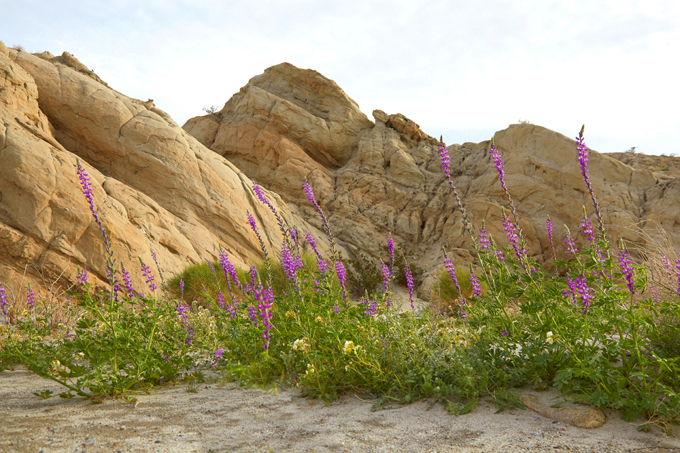
The badlands in bloom : Arizona Lupines against
eroded sandstone. February 15, 2019.
Coachwhip Wash is at mile marker 34.7 on
Highway S22. Mike McElhatton
The other thing about this bloom is that there are
also fields of flowers! There is a big pulloff
along the north side of S22 at mile 31, about 11
miles from Christmas Circle in Borrego Springs,
where the hills to the west are loosely covered with
the purple of sand verbena. I say "loosely
covered" because you will see lots of empty space,
barren ground in and between the expanding verbena
that the purple is expanding into.
Already above the ground, these plants have a real
head start. They will take the water from
recent rain and keep growing. This is a spot
to keep an eye on. It is very nice right now,
but it could become spectacular.
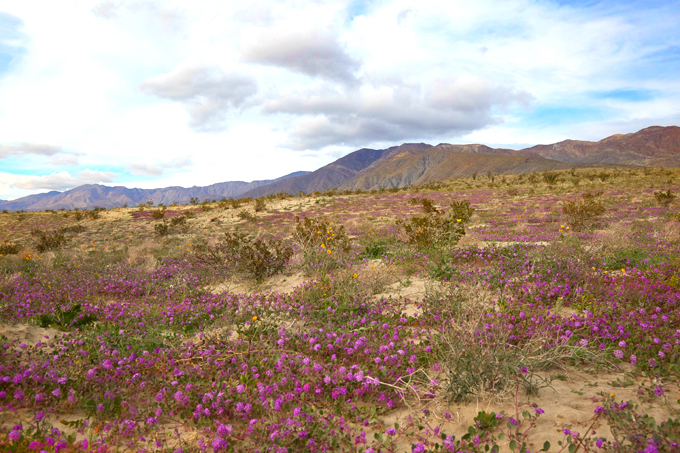
This shot gives a view of the expanding verbena
mentioned above, Highway S22, Mile 31. With
recent rain all of those spots of barren ground will
likely be covered in purple as the verbena expands.
This is a spot to keep an eye on: in a few weeks
time this photo might look pretty baren compared to
what is there at that time. Mike McElhatton
February 15: Video from Ocotillo Wells SVRA
We did a report on February 12 about the bloom happening over
in Ocotillo Wells State Vehicular Recreation Area,
and photos of that are posted below.
Today we have this video, shot by park staff
that shows that some area. It does not seem
that this area suffered as much flood damage as
Coyote Canyon from yesterday's rain. We found
it to be a great spot. The only caveat is that
this is an area to visit on weekdays if you are
bothered by the OHV traffic.
February 14: Heavy rain in
Borrego Springs today
This video of lower Coyote Canyon tells the story of our rain
today. We took photos of this same area just
yesterday to illustrate the excellent condition of
the Coyote Canyon Road, but it
became evident today that things had changed.
The NWS reported 2.68 inches in Borrego Springs. Due
to flood damage on Feb. 14 Coyote Canyon Road has
been closed to all vehicle traffic and the repair
work is expected to keep it closed until early-mid
March. Visitors can park at the end of the
asphalt and walk in.
This video is by Borrego Springs
resident Sicco Rood.
February 12: Ocotillo Wells -
Shell Ridge - near Discovery Center
Shell Reef:
There is a spectacular bloom of Dune Evening Primrose mixed
with sunflowers and sand verbena about two miles
from the Ocotillo Wells Discovery Center along Shell
Reef. The road is dirt but it is graded.
If you are unfamiliar with the area you can stop at
the Discovery Center and ask for a map.
The white Dune Evening Primrose carpet the ground in
some spots and trail off into the horizon, with
yellow sunflowers and purple sand verbena mixed in.
This is a a great place to visit mid week because
there is very little ORV traffic. The flowers
begin around the junction of PaloVerde Wash and
Shell Reef Expressway - roads are signed.
Discovery Center Trail: The paved
path outside of the Discovery Center now has a bloom
of many species, it's not a carpet of flowers but
the diversity makes this a very worthwhile stop.
A bonus in this spot is the Discovery Center, with
fascinating displays on a wide range of topics about
plants, animals, geology, and history of the
Ocotillo Wells area.
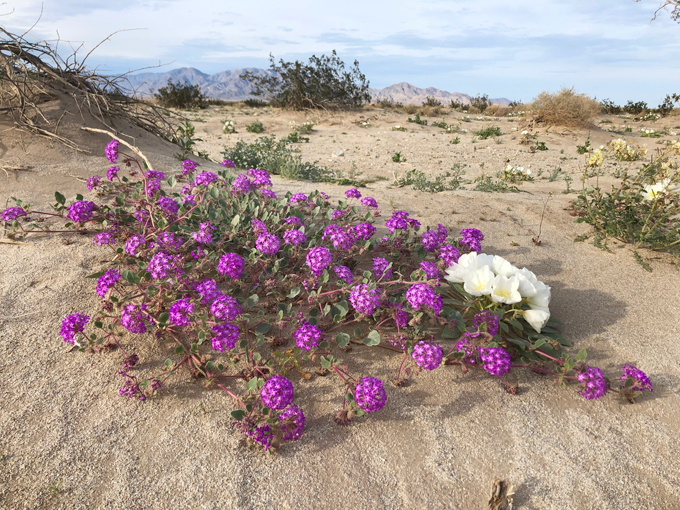
Paloverde Wash and Shell Reef Expressway. Just
over the rise the ground is carpeted with Dune
Evening Primrose.
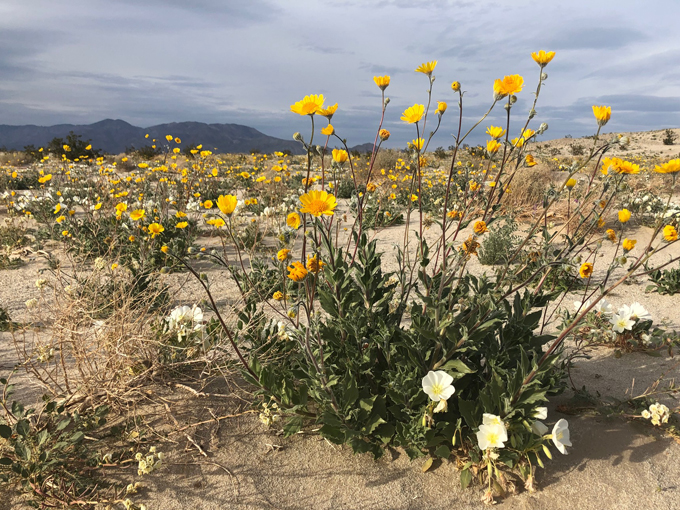
Field of Sunflowers - Shell Reef Expressway -
Ocotillo Wells
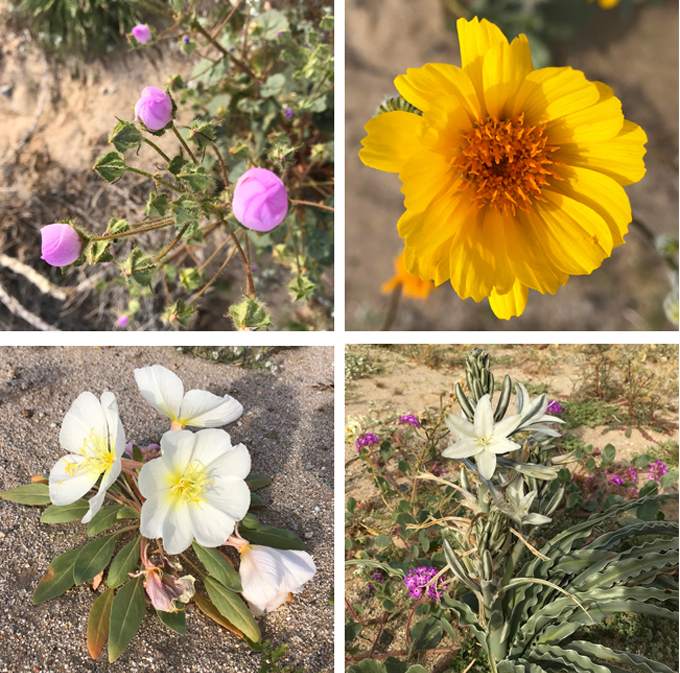
Photos (2/12/19) from the Ocotillo Wells Discovery
Center Trail, top left - Desert Five Spot about to
bloom, Sunflower, Dune Evening Primrose, Desert
Lilly.
February 12: Coyote Pass - End of DiGiorgio
Road
Marcy Yates reports that Verbena, brown-eyed
primroses and spectacle pods are having a nice bloom
where the pavement ends on Digiorgio Road. A
few lupine are just starting.
.jpg)
Flowers at the end of DiGiorgio Road, entrance to
Coyote Canyon by Marcy Yates
Febrary
9 : Ocotillo Wells State Vehicular
Recreation Areas
Several bloom areas are reported by the staff at OW.
These include the followeing areas
close to the park's headquarters, just outside of
Ocotillo Wells: The Cove:
The rocky hills are covered with lupines, SW of Devils
Slide:
Clustered fields of desert sunflower, along with phacelia,
cat's eyes, desert lily, Benson & Morton
Road: Sand verbena and dune evening
primrose in dunes along boundary fencing. This
area is Bloom #4 on our Borrego Badlands Map.
High clearance vehicles essential, 4WD advised.
Desert Lilies in bloom:
Desert Lilies are in bloom in around Arroyo
Salado Campground and other nearby washes, as
reported by Pam Blake.
Although 4WD is recommended in the washes around
Arroyo Salado it is possible to park a car near the
restrooms at the campground and walk in the
surrounding areas.
See our Borrego Badlands map - bloom area #2.
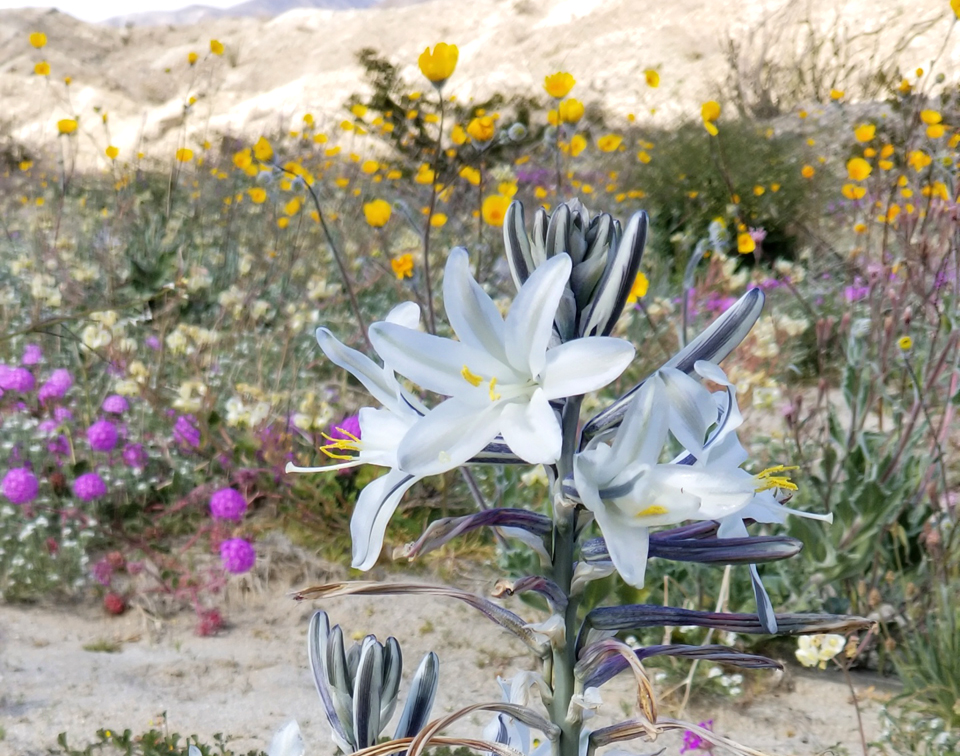
Photo of Desert Lily, sand verbena and desert sunflowers in
background.
A very nice photo by Kevin Key taken along S22 in the Borrego
Badlands bloom area.

Sand Verbena, Desert Lily, Arizona Lupine, Desert Sunflower by
Kevin Key
Anza-Borrego
Desert State Park 2018-19 “Season”
Bloom Analysis and Prediction
As updated 02/04/19
Kate Harper, Desert Research Botanist
We
appear to be heading into a lovely 2-pulse 2018-19
Bloom “Season”.
The first BLOOM
pulse is peaking now. What triggered this first
pulse of flowers?
We had significant rain in spotty areas of
Anza-Borrego Desert State Park© (the Park) on
October 12, 2018. It was still hot in the Park, but
it was cooling off from the peak summer heat. It
appears that the temperature was still warm enough
to trigger the germination of some monsoonal annuals
(seeds triggered by summer storms), and just
cooled-down-enough to trigger the germination of
some “spring” annuals (calendar winter, but what we
in the desert call spring). Along with the annual
flowers, the shrubs and subshrubs have responded
with new leaves and their own beautiful flowers.
So, right now, as we enter February 2019, we are in
the peak of flowers for the first pulse. BUT, just
in the spotty areas that received the thunderstorm
rain on October 12, 2018. Unfortunately, none of the
popular close-to-Borrego-Springs-village
flower-field areas are included in this spotty early
bloom. For flower areas easiest to access from
Christmas Circle right now, try driving out S22 to
mile marker 31. On the left (north) side of the road
is a sweeping south-facing sandy area brimming with
color and blooms. Proceeding a few more miles east
on S22, Arroyo Salado (primitive camp) is gorgeous
now.
What has triggered the coming second, more
common “spring” pulse of blooming?
The Park received 0.39 inch of rain in a November
29-30, 2018 storm. This is not enough rain to
trigger widespread germination, BUT it is enough
rain to soften the dry surface of the soil and to
make the soil receptive to additional rain without
run off. And, so what do you want after such a
preparatory rain? A storm of at least 1 inch. And,
the Park got it! A storm event on December 5-6, 2018
delivered 1.05 inches of rain. That gave the Park
enough rain to trigger the germination of many of
our “Spring” annuals.
- Think of the desert in the
“Spring” like you would think about planting and
watering a garden.
- After you have the seeds in, all
experts advise, “Give your garden a good soaking.”
That is what the December 5-6, 2018 storm did that
delivered 1.05 inches.
- Then, what do the garden experts tell you? They
say, “Water at regular intervals.” And, voila! The
skies have delivered just such a watering regime.
·
- To date:
A semi-soaking on December 31, 2018 of 0.52 inch.
A nice interval watering on January 6, 2019 of 0.11
inch.
Another nice interval watering on January 12, 2019
of 0.14 inch.
Another semi-soaking in a January 14-17, 2019 storm
event of 0.71 inch.
AND another semi-soaking in a January 31-Feb2, 2019
storm event of 0.74 inch.
So, does this guarantee us a Bursting-with-Blooms
“Spring” this year? Yes! Almost.
Only 2 kinds of events could derail a
Bursting-with-Blooms “Spring” this year: multiple
days of freezing temperatures or multiple days of
super-hot temperatures. Either of these could impact
the plants. ∞∞∞∞ BUT, barring those events, we are
ON for a Bursting-with-Blooms year ∞∞∞∞ ∞∞∞∞ in
Anza-Borrego Desert State Park©!
|
|
|
January 31
The bloom in the Borrego Badlands is absolutely
worthy of a visit right now.
The easiest place to see it are along Highway S22 between
mile markers 31 and 38, about about 25 minutes (20 miles)
east of town. Additional pictures from this area are
shown directly below.
See
our Borrego Badlands Flower Map for information.
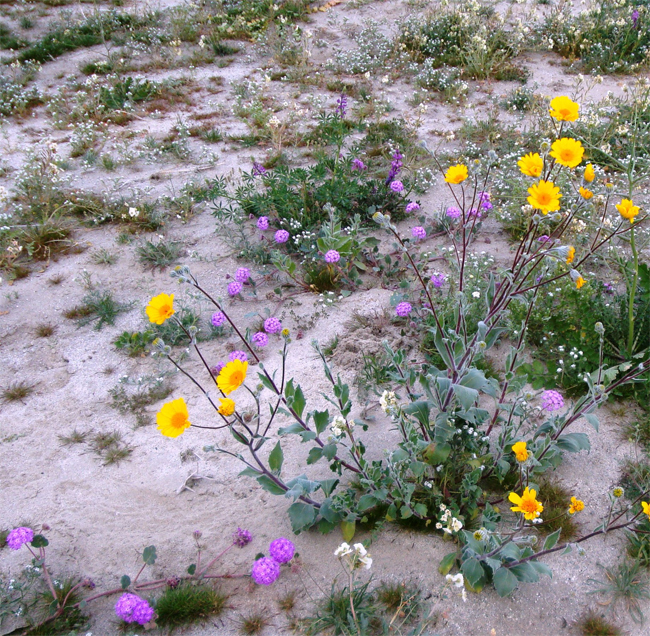
January 30
More photos posted from the wonderful winter bloom taking
place in the Borrego Badlands. All of these are from Highway
S22, between mile markers 31 and 38.
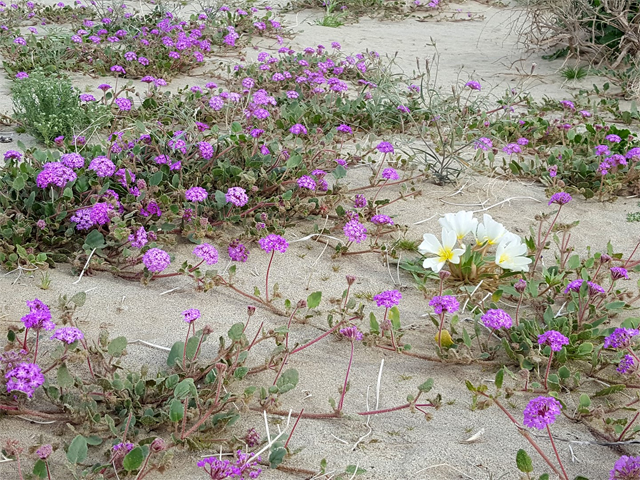
S22 Mile Marker 31 by Amy Brewster
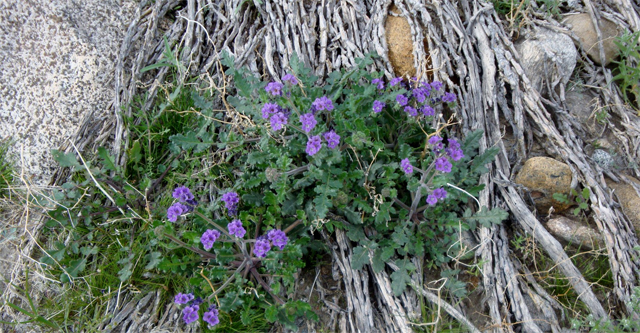
Along S22 - Photo by Betsy Knaak
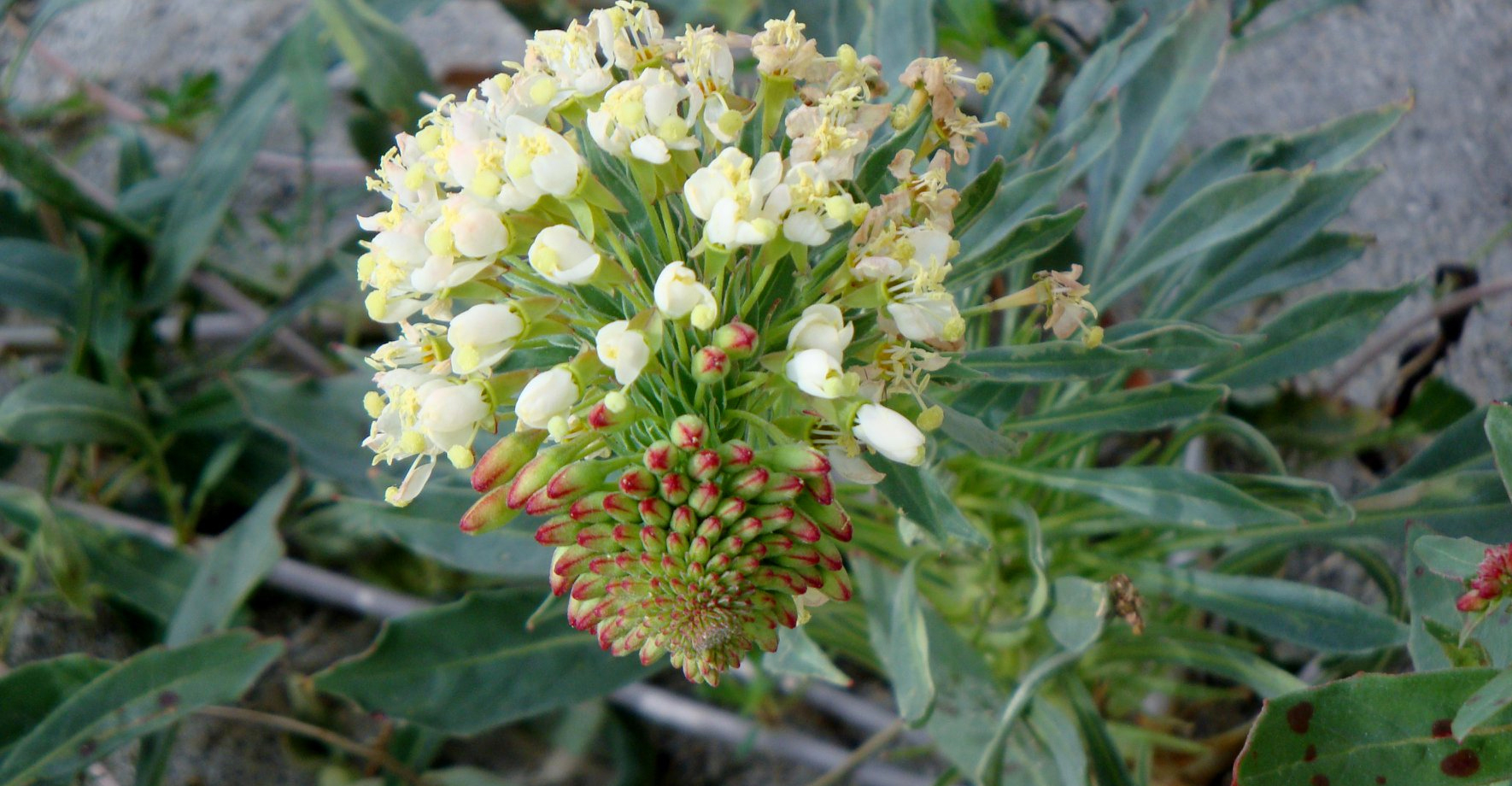
Photo by Betsy Knaak
January 29
Another report from Dan and Pam who went on a Jeep run
today--Goat Trail to Blowsands to San Felipe Wash to Hawk
Canyon. They say flowers were widespread, especially
in the higher elevations of Goat Trail and Blowsands.
Lots of brown-eyed evening primroses, popcorn flowers,
pincushions, blooming indigo bushes, sunflowers, chicory,
spanish needles. Some pictures follow.
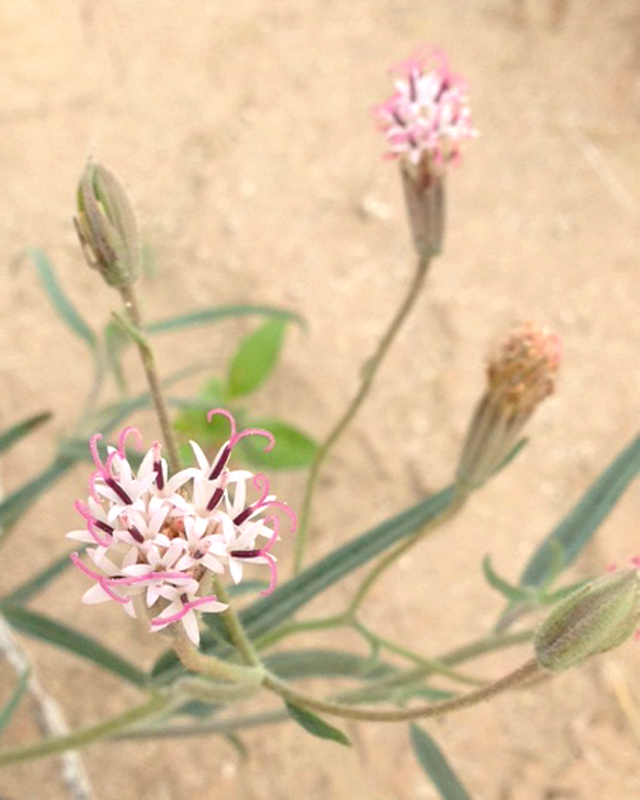
Spanish Needles by Pam Blake
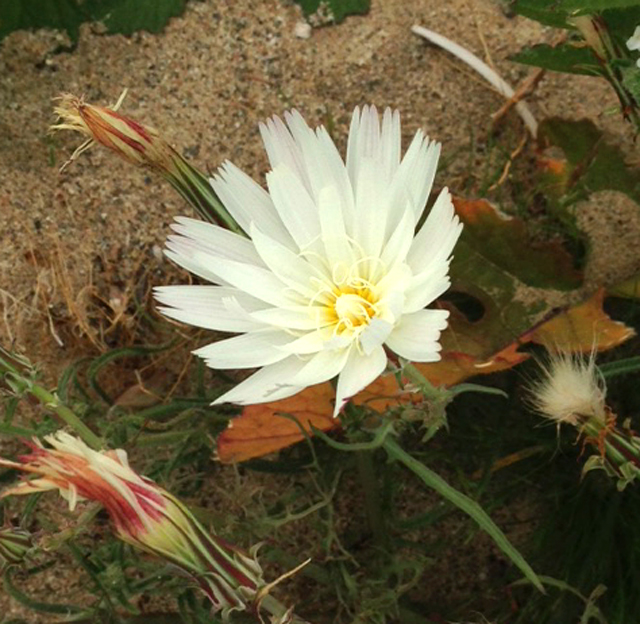
Chicory - Photo by Pam Blake
January 28
Fred and Carla have also posted a report from essentially
the same area as Pam and Dan(above).
See Fred's Hike details. Fred says they crossed
areas covered in Brown-eyed primrose, with a strong scent in
the air from the blooming indigo bush, and dozens of Desert
five spot ready to bloom. Sand verbena, broad leaf
gilia, and desert lily, are all in bloom, in this area, Fred
says.

Desert Five Spot -Eremalche rotundifolia by Fred Melgert
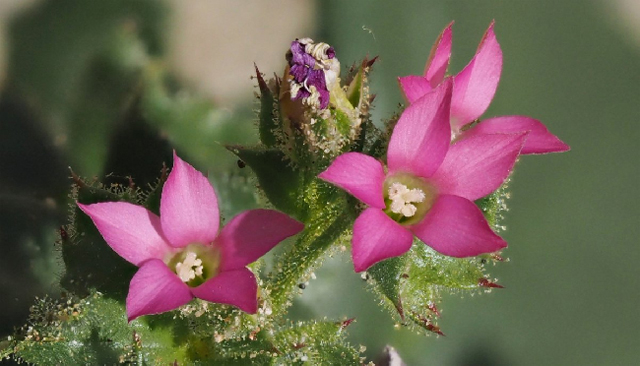
Broad Leaf Gilia - Aliciella latifolia latifolia
by Fred Melgert
January 27
Kathy sends us a report this morning on Coachwhip
Wash, right across from Smoketree, which is
described below. Flowers to be seen include: dune
evening primrose, brown-eyed primrose, sand verbena, popcorn
flower, spectacle pod, poppies, sunflower, and the desert
lilies are beginning to bloom as well. We may
have photos to add later today.
January 26
Dan and Pam made a report today on Smoketree Wash, which is
just east of Coachwhip Wash, along highway S22.
See
our map. More early blooms. Pigmy poppies,
sand verbena, ground cherry, desert sunflower, and more.
Here are two photos from today's trip.
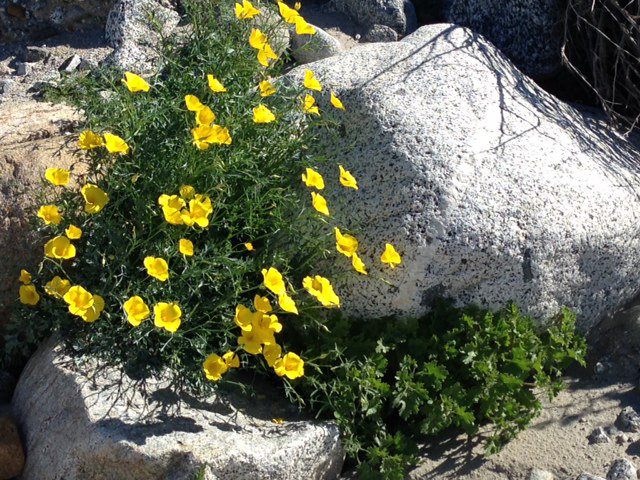
Beautiful cluster of Gold Poppies - Photo by Pam Blake
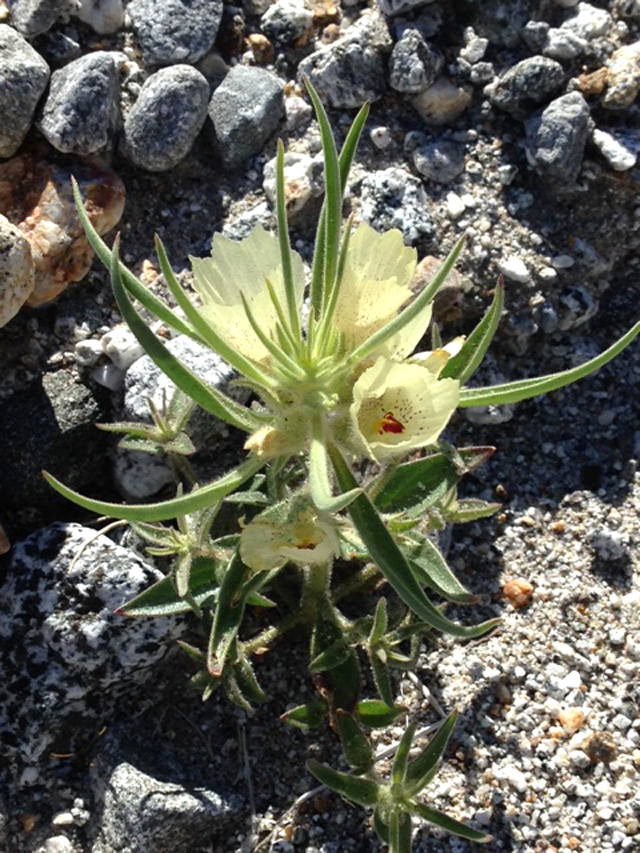
Ghost Flower Photo by Pam Blake
January 25, 2019
A photo today taken at the Arroyo Salado campground.
There are lots of patches like this in that area. Some
of the patches are heavy with sand verbena, others are
mostly sunflowers, and there are areas of desert lilies here
and there that should bloom in about a week or so,
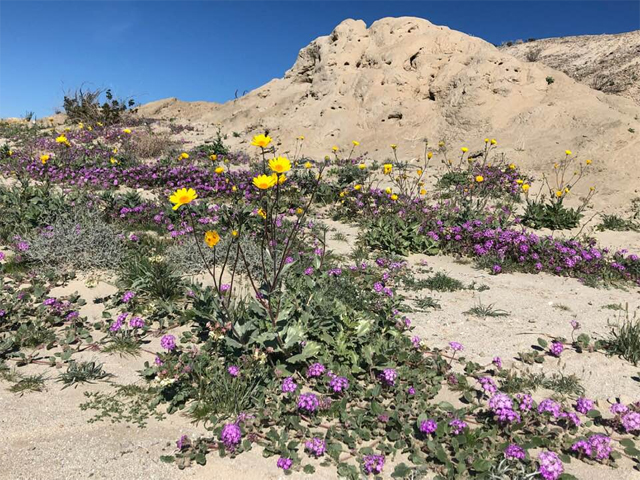
Photo by Mike McElhatton
January 19, 2019
Photos from
Clark Dry Lake
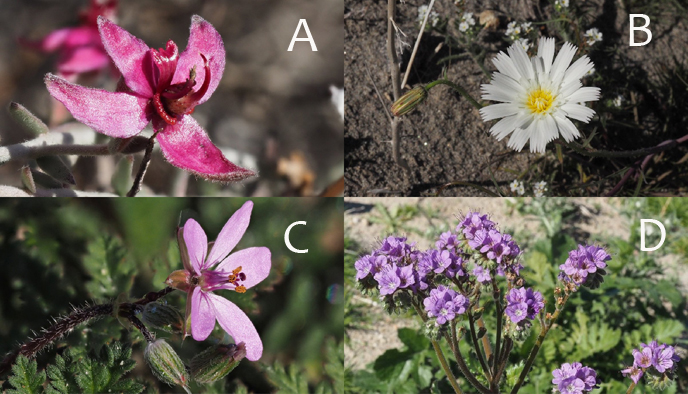
A: White rhatany, B: White tackstem, C:Red stem filaree, D:
Notch leaf phacelia
Photos by Fred Melgert,
Hiking Details
Some nice photos of our unusual winter bloom
This beautiful photo by Fred Melgert of dune evening
primrose and sand verbena would have been a great shot in
springtime. But it was not taken in springtime.
It was taken in January! The location is near the end
of
Buttes Pass Road.
Photo by Fred Melgert

Desert Lillies are often some of the first bloomers in
springtime, well ahead of the fields of flowers. But
again, this is in January! Same location as above,
Buttes Pass Road.
By Fred Melgert

An early Arizona Lupine and Desert Lily - By Amy Brewster
Taken in Ella Wash, near Arroyo Salado
January
January 19, 2019
Bloom Prediction for 2019 - "Bursting with Blooms"
Desert Research
Botanist Kate Harper has been making field observations over
the past weeks and has just issued her prediction for the
2019 bloom season. Please read her report in its
entirety, but the bottom-line is that we are on track for a
very good bloom this season with just a couple of weather
conditions that could alter it.
Anza-Borrego Desert State Park 2018-19
“Season” Bloom Analysis and Prediction
by Kate Harper
Desert Research Botanist
January 17, 2019 |
Rain Analysis Related to Blooming
Prediction
We appear
to be heading into a 2-pulse 2018-19 “Season”.
What has triggered the first pulse
of blooming?
We had significant
rain in spotty areas of Anza-Borrego Desert State
Park (the Park) on October 12, 2018. It was still
hot in the Park, but it was cooling off from the
peak summer heat. It appears that the temperature
was still warm enough to trigger the germination of
some monsoonal plants (summer storm triggering
plants), and just cooled down enough to trigger the
germination of some “spring” plants (calendar
winter, but what we in the desert call spring).
So, right now, in mid-January 2019, we are
having a bloom! BUT, just in the spotty
areas that received the thunderstorm rain on October
12, 2018. Unfortunately, none of the popular
close-to-town flower field areas are included in
this spotty early bloom.
What has triggered the second, more common pulse of
blooming?
The Park received 0.39
inch of rain in a November 29-30, 2018 storm. This
is not enough rain to trigger widespread
germination, BUT it is enough rain to soften the dry
surface of the soil and to make the soil receptive
to additional rain without run off. And, so what do
you want after such a preparatory rain? A storm of
at least 1 inch. And, the Park got it! A storm event
on December 5-6, 2018 delivered 1.05 inches of rain.
Now we have enough rain to trigger widespread
germination of “Spring” annuals.
Think of
the desert in the “Spring” like you would think
about planting a garden. After you have the seeds
in, all experts suggest “give your garden a good
soaking.” That is the December 5-6, 2018 storm that
delivered 1.05 inches. Then, what do the garden
experts tell you? They say, “Water at regular
intervals.” And, voila! The skies have delivered
just such a watering regime, so far:
A
semi-soaking on December 31, 2018 of 0.52 inch. A
nice interval watering on January 6, 2019 of 0.11
inch.
Another nice interval watering on January
12, 2019 of 0.14 inch.
AND another soaking in a
January 14-17, 2019 storm event of 0.71 inch! Wow!
So, does this guarantee us a
Bursting-with-Blooms “Spring” this year? Yes!
Almost.
Only 2 kinds of events could
derail a Bursting-with-Blooms “Spring” this year:
multiple days of below freezing temperatures or
multiple days of super-hot temperatures. Either of
these could impact the plants.
BUT,
barring those events, we are ON for a
Bursting-with-Blooms year in Anza-Borrego Desert
State Park! |
January 10, 2019
And now more rain!
It is raining lightly in Borrego Springs this evening and
still more rain is predicted in the coming week.
January
6, 2019
More rain and winter flowers
More
rain in Borrego Springs last night and continued cool
temperatures are keeping ample moisture in the soil, exactly
what is needed for an excellent flower bloom this spring.
It also appears that we are seeing a normal cycle of winter
storms moving through the area on a 10-14 day baises. That's
more good news.
The main bloom will be in springtime, whenever daily
temperatures start to reach into the high 70s and 80s on a
consistent basis. But the rain is already giving us
unusual winter blooms in some areas, with scattered patches
of flowers being reported in various locations. The
photos below were submitted by Terry Hunefeld.
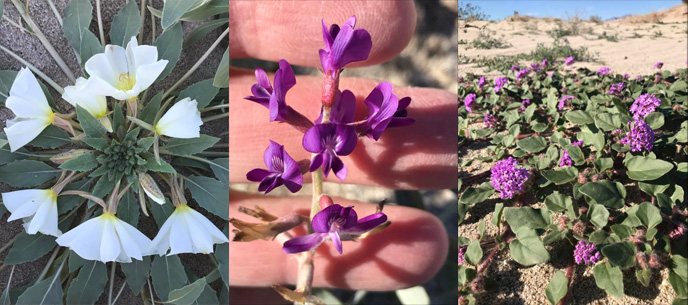
Winter flowers - San Felipe Wash north of West Butte, just
north of Hawk Canyon.
Photos by Terry Hunefeld
Meanwhile, Fred and Carla are also reporting small blooms,
moist conditions, and good germination. Their most
recent report comes from the East Butte area and mentions
desert sand verbena, brown-eyed primrose, as well as some
desert lillies being spotted on their hike.
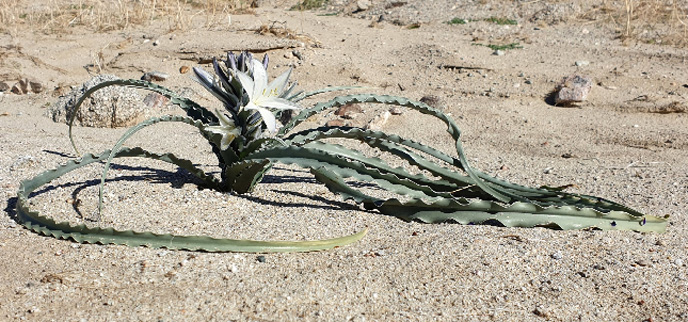
Desert Lilly 1/4/2019 Photo by Fred
Melgert.
December 31, 2018
Flower Forecast Update:
2019 Flower Season
We are receiving heavy rain
in Borrego Springs on this last day of 2018, and snow above
2500 feet. This storm greatly increases the likelihood
of a excellent wildflower bloom this spring. It will
be a good year; there will be spring flowers this year in
Anza-Borrego Desert State Park and Borrego Springs.
It's too early to say with any certainty when exactly the
bloom will take place. It will happen when
temperatures warm up in springtime. We could have a
prolonged bloom that starts in February and continues into
March, or we could have the more typical "peak bloom"
scenario that takes place over one or two weeks, typically
in March, but sometimes in February. We just have to
see how nature decides to make its presentation.
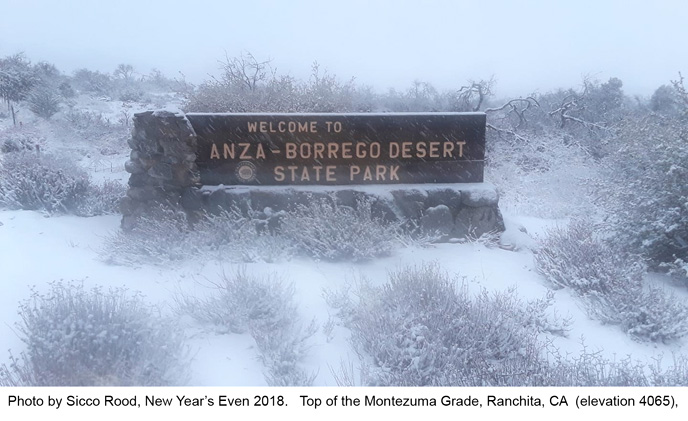
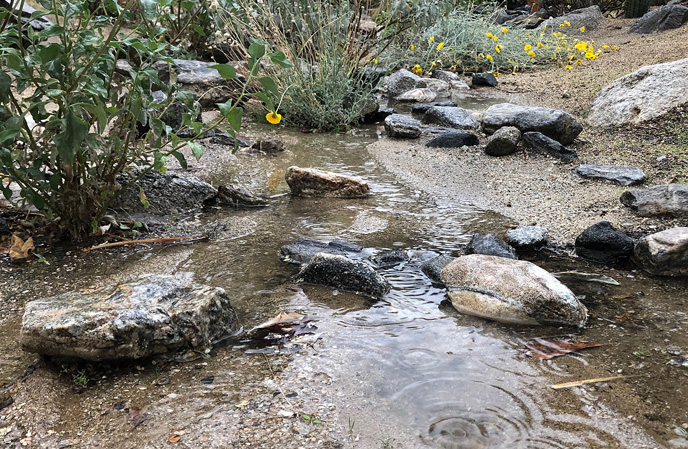
Water flows in the "dry creekbed" of the ABDNHA botanical
garden. 12/31/2018
December 25, 2018
First Flower Forecast:
2019 Flower Season
Anyone who has read our flower forecasts in the past knows
that a desert wildflower bloom is a hard thing to predict,
especially early in the season. That said, things are
looking very positive right now for an excellent wildflowers
bloom this season. In fact, there are some wildflowers
blooming right now - more about that later - see below.
As for the spring forecast, we had a heavy rain in mid
December that percolated down deep into the soil, and we had
another light rain yesterday. If this pattern of rain
continues into January / February all the conditions will
exist for an excellent bloom in 2019.
The big question we always get is When will it
happen? Typically the peak of a
wildflower bloom in the Borrego Valley is in March, and
generally in the first half. But the weather so far
this season has some wildflower prognosticators
thinking that we could see an earlier peak bloom this year,
maybe in February. If the rain comes (as has been the
case so far this winter), then the bloom will come when
temperatures warm up in Springtime. When is
Springtime? It's when the temperatures warm up!
That's generally March but it sometimes happens in February.
So keep posted.
As far as right now is concerned, we have
had the rain and we have also had consistent warm days and
that has given us unusual winter blooms in some areas.
These are not the expansive fields of flowers that we see in
the spring but there are some pretty impressive winter
blooms taking place right now in some areas. Marcy
Yates reports, "There are wide swaths of verbena blooming
around Yuma, AZ. We also saw a few brown-eyed primroses and
desert sunflowers along Hwy 78 starting from just before the
Ocotillo Wells Recreational Vehicle Area going east until
almost Hwy 86." Also, botanist Tom Chester posts the
photos below from June Wash.
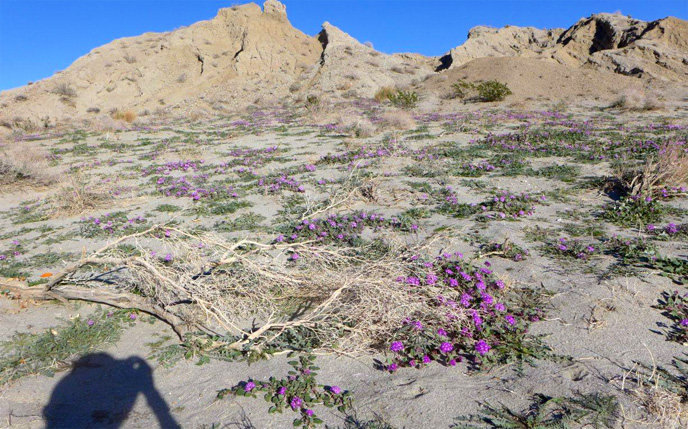
Sand Verbena June Wash Photo by Tom Chester
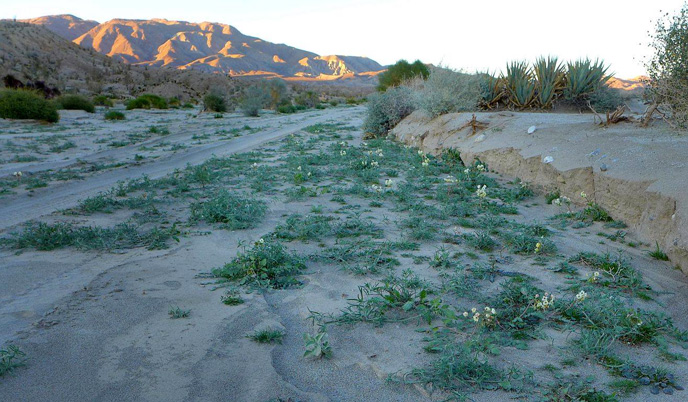
Brown-eyed Primrose, June Wash, ABDSP. Photo by Tom
Chester.
On December 25, the
following information was posted by Fred and Carla from
Palo Verde Smoke tree Loop. They said:
Driving by this looked so green. Wow, this is one of the
greenest places outside of the badlands right now. Many
Encelia farinosa farinosa, Brittlebush
are in full bloom along with Krameria that
otherwise almost never blooms right here. Amazing how fresh
Cylindropuntia ramosissima, the Diamond
cholla can look, they might even bloom this season.
We also saw many Eschscholzia, poppy
and some Ferocactus cylindraceus,
California barrel cactus in bloom.
We've never checked the Echinocactus polycephalus
polycephalus Cottontop cactus right
here, but this was the time to do so. We say our first
Lupinus arizonicus, Arizona lupine of
the season in bloom. So far this hike has given us the
highest bloom numbers of the season.
As usual, Fred also posts some beautiful photos of what they
saw.
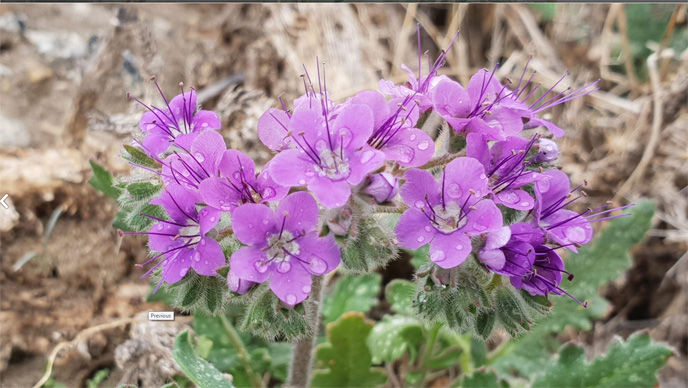
Phacelia crenulata ambigua, Notch leaf phacelia
(Dec/25/2018) Photo by Fred Melgert
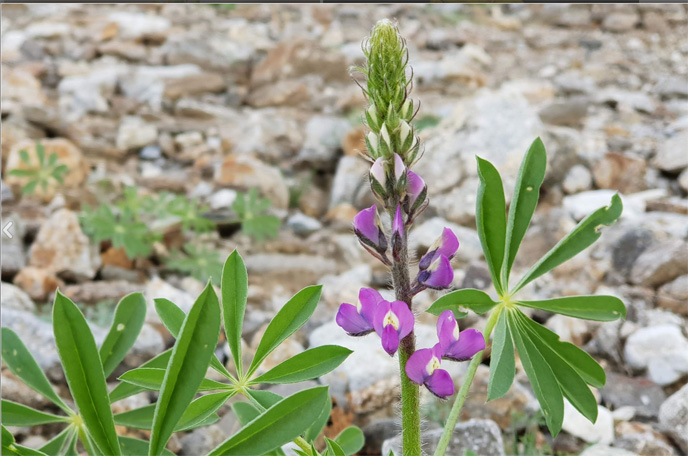
Lupinus arizonicus, Arizona lupine (Dec/25/2018)
Photo by Fred Melgert
October 31
Report by
Marcy Yates and Bill Sullivan
The ocotillo in several areas have quickly put recent rains
to good use and and have turned a brilliant green with new
lego Springs and Salton City, and the Carrizo Valley east
of Canebrake, everywhere along Highway 78 from Borrego
Springs Road to Ocotillo Wells, and up the Buttes Pass road
to the Slot and Hawk Canyon.
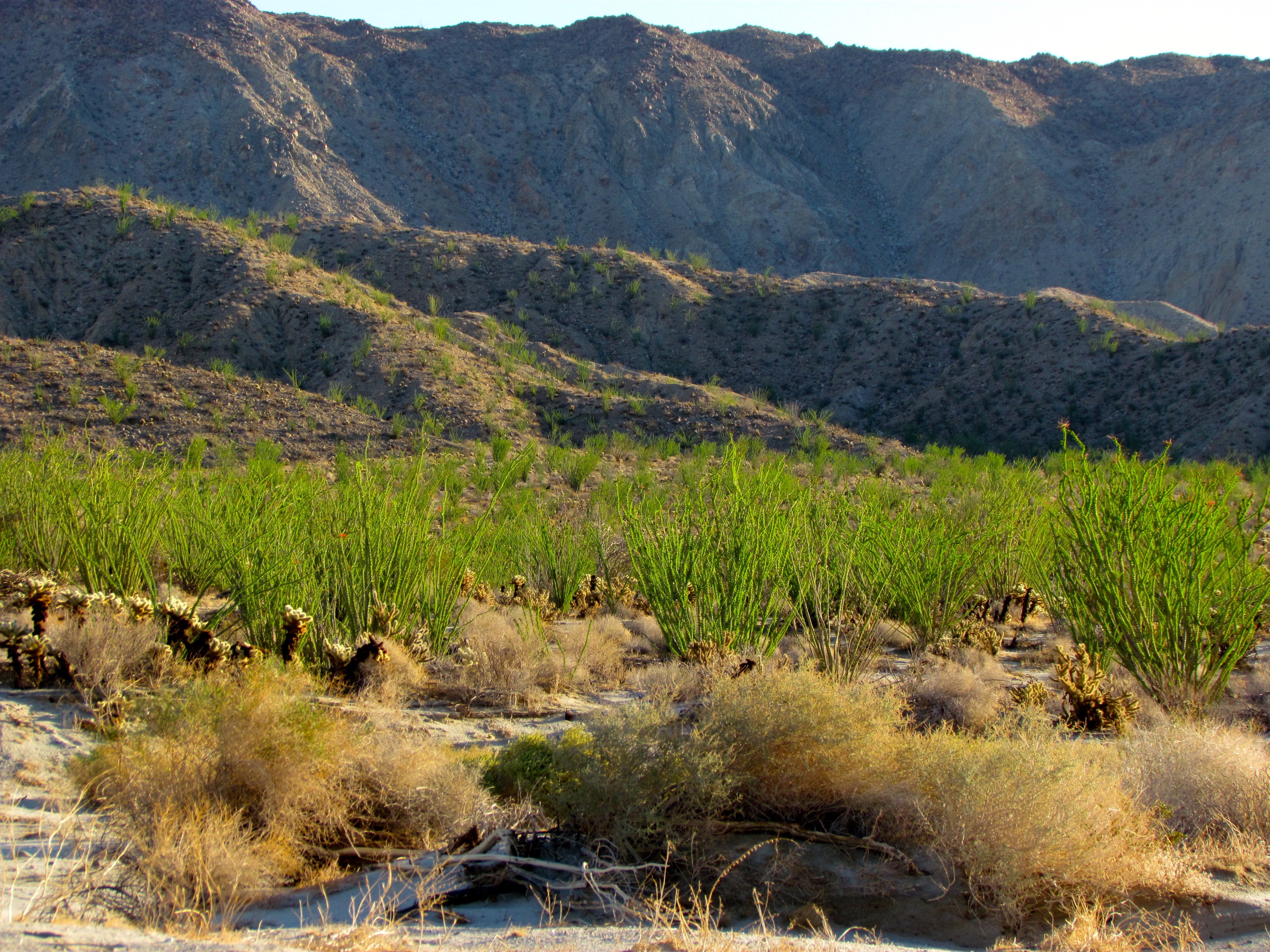
Photo by Marcy Yates
May 23
Report by Bill Sullivan
Tuesday was busy this week. I took my first picture along
the Sunrise Highway at 6:23 a.m., not quite an hour's drive
from my San Diego home. The Sunrise Highway is on the west
side of the mountains that keep the rain clouds from heading
east from the Pacific Ocean. It's because of the mountains
that we have our desert, that and the sandstone, mudstone
and claystone that for one reason or another have moved here
from Arizona and Mexico.
At this time of year,
the flowers down in the desert have to be able to survive
summer heat. In the mountains, along the Sunrise Highway,
the flowers can be a bit gentler. And prettier.

San Diego Pea - Taken along the Sunrise Highway
by Bill Sullivan
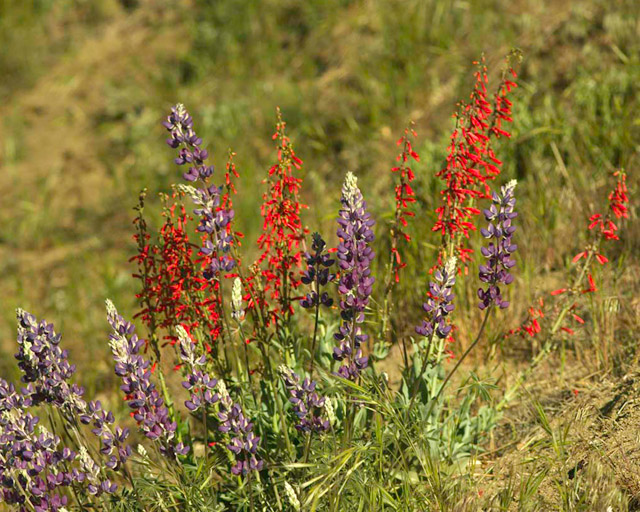
Lupine and Penstemon - Taken along the Sunrise Highweay
by Bill Sullivan
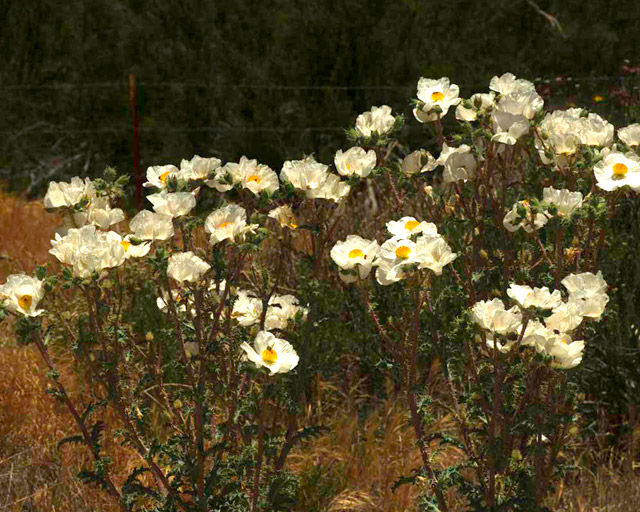
Prickly
Poppy - Taken along San Felipe Valley Road by
Bill Sullivan
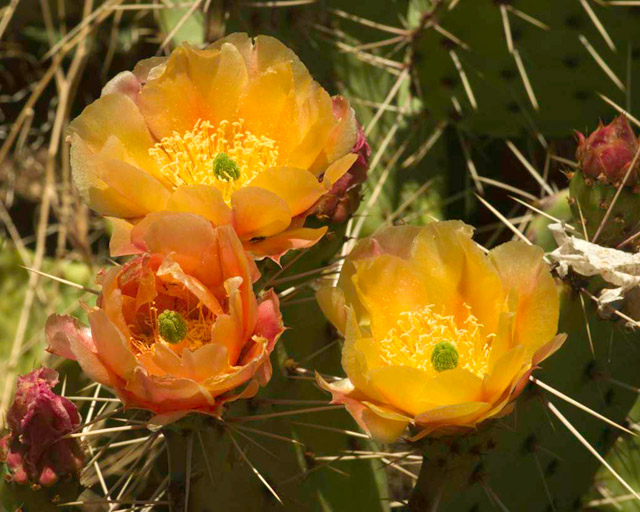
Prickly Pear in bloom by Bill Sullivan.
April 28
Besides the sea of yellow Palo
Verde, Ironwoods and Desert Willows are starting to put on a
show. These pictures were taken at the park visitor center
this morning. By Marcy Yates
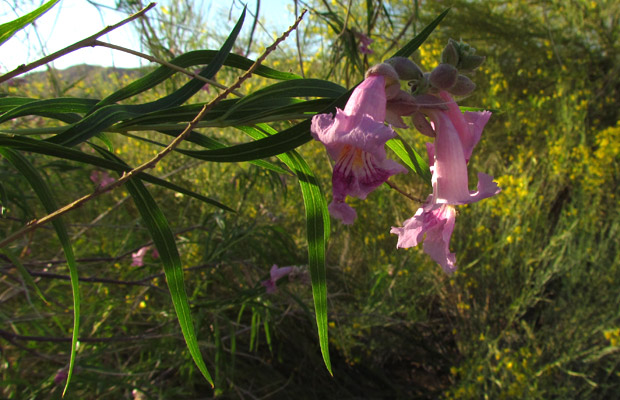
Desert Willow Marcy Yates
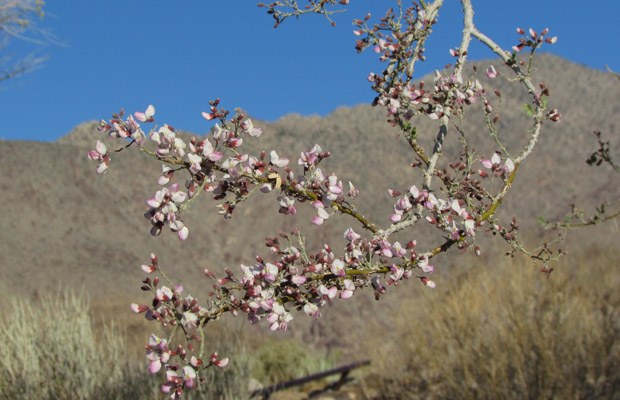
Ironwood Marcy Yates
April 9
Several species of cactus now
blooming in the ABDNHA Garden.
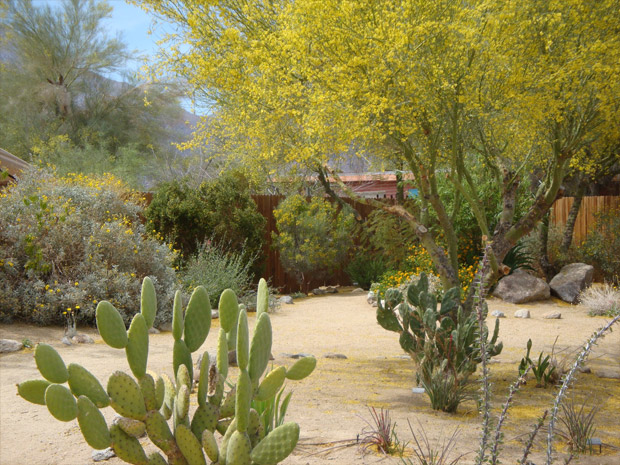
ABDNHA Garden Palo Verde in Bloom
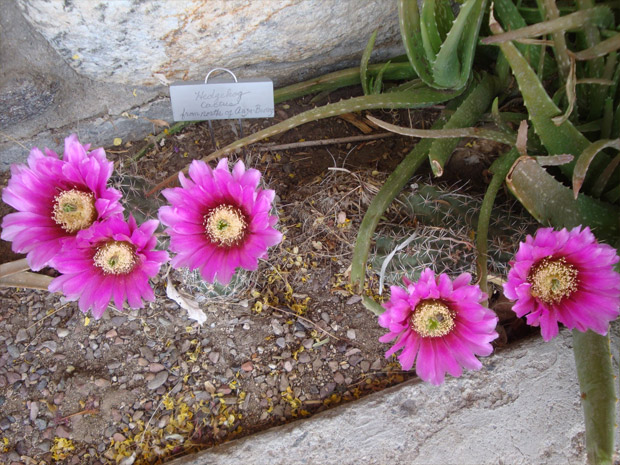
ABDNHA Garden Hedgehog in bloom
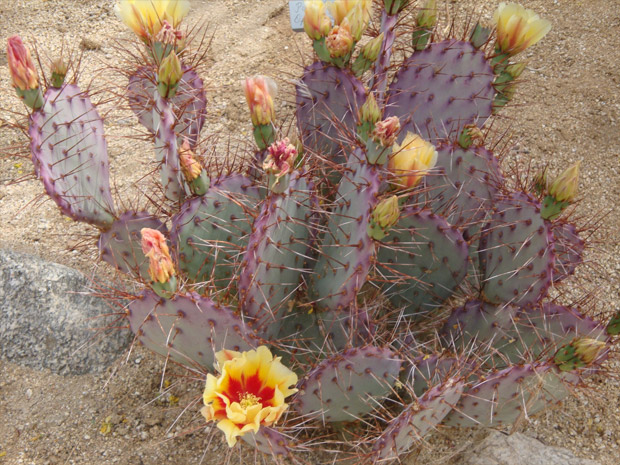
ABDNHA Garden Prickly Pear in bloom
April 7
We are finally getting some
color in Anza-Borrego and around Borrego Springs! Shades of
ocotillo red, palo verde yellow, apricot mallow, and magenta
of cactus blossoms.
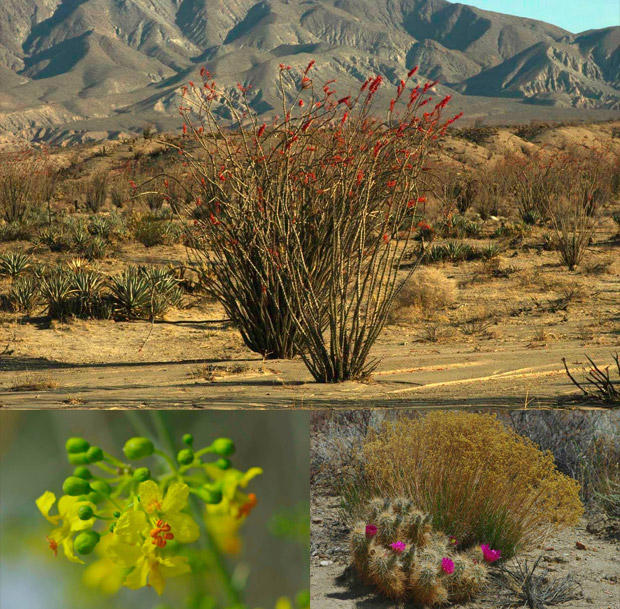
Ocotillo, Palo Verde, Hedgehog
cactus
March 30
Marcy Yates reports the
ocotillo forests from Ocotillo Wells State Vehicular Rec.
Area west to the turn to Borrego Springs Road are awash in a
sea of red right now. There are also some really pretty
specimens blooming along Borrego Springs Road after the
Texas Dip to the Air Ranch.
Feb. 20, 2018
Bill Sullivan reports
to us
that on a recent trip to the desert he was impressed by the
abundance of Chuparosa in flower in Plum Canyon and
Glorietta Canyon, especially Plum Canyon. He also
reported lots of the germination at the southern end of the
Coyote Canyon Jeep Trail, across from the citrus groves.
Bill says we may be two or three weeks away from flowers,
but we will have some flowers for visitors to see this
season.
On a wider scale,
we have not had the rain this winter that gave us the
widespread super bloom last year. Unless there is a
major storm in the next few weeks, this flower season will
consist of more dispersed blooms, pockets of flowers here
and there, wherever the ground moisture holds enough
water to support the annual plant growth.
Jan. 9, 2018
Rain in Borrego Springs
The winter storm that brought heavy rainfall to the coastal
areas and mountains has also given Borrego Springs the first
rain of the winter season. Rainfall in January and February
is the main driver of spring flowers.
According to
data from the ABDSP weather station
https://wrcc.dri.edu/weather/ucab.html .94 inches
of rain were recorded in the past 24 hours. That’s a good
January rainfall for Borrego Springs.
For
comparison, the same weather station recorded a total of
2.53 inches of rain during all of January 2017 and another
1.99 inches in February of 2017. The flower season cannot
be predicted from one rainfall, but the rain during the last
24 hours was a good start to the winter season.
Nov. 13, 2017
California Riding Hiking Trail
Soapstone Grade - Upper Green Valley - La Cima trail
Hiking Detail
Fred and Carla
Welcome back to Fred and Carla. This is their first
report of the new desert season.
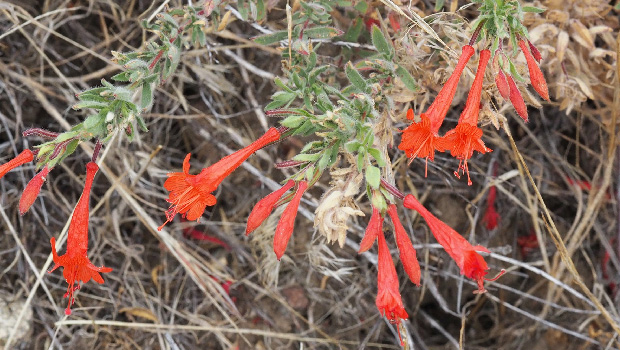
California fuchsia, Epilobium canum latifolium
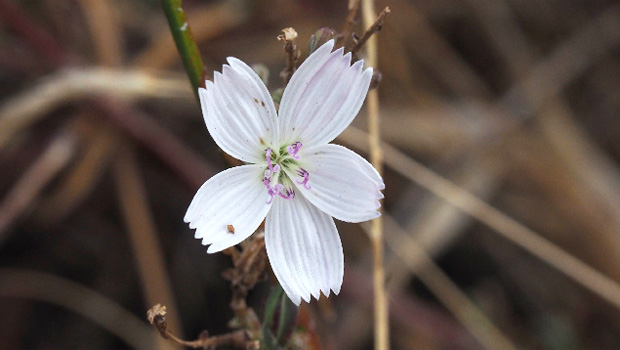
Slender wreathplant exigua, Stephanomeria exigua exigua Fred
Melgert
September 21, 2017
Sent
to us by Bill Sullivan
Summer in our desert
ended with a significant (for the desert) rainfall on
September 7. Good-by to fall colors, like in the attached
5970_BlairValley photo. Hello to greenery, like the leaves
of the Ocotillo plant in 5906. The September 7 rain
contributed to the greenery. The rain brought water down
Coyote Creek from the Santa Rosa Mountains. A jeep trail
crosses the creek in a few places. Photo 6008 shows the mess
the rains made of the First Crossing. When we walked to the
Second Crossing on September 20, it looked peaceful.
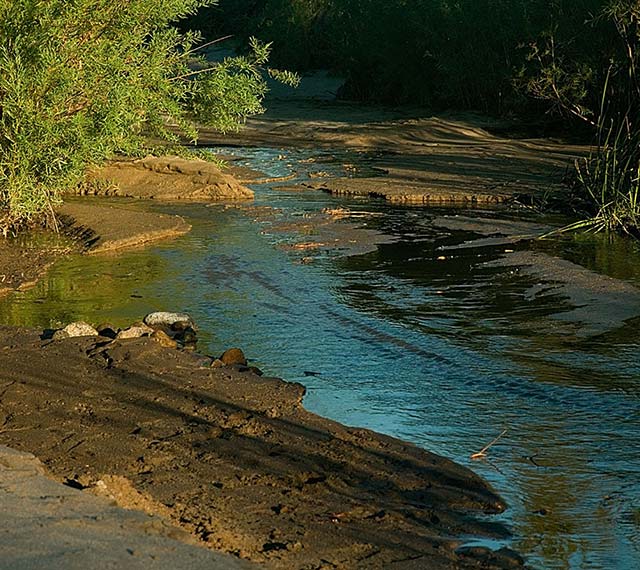
Second Crossing - By Bill Sullivan
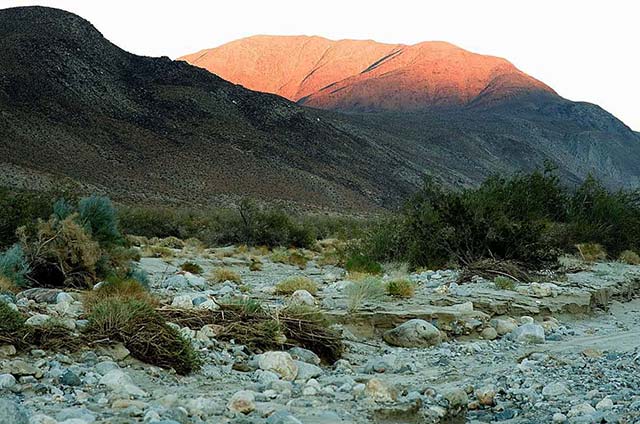
First Crossing - By Bill Sullivan
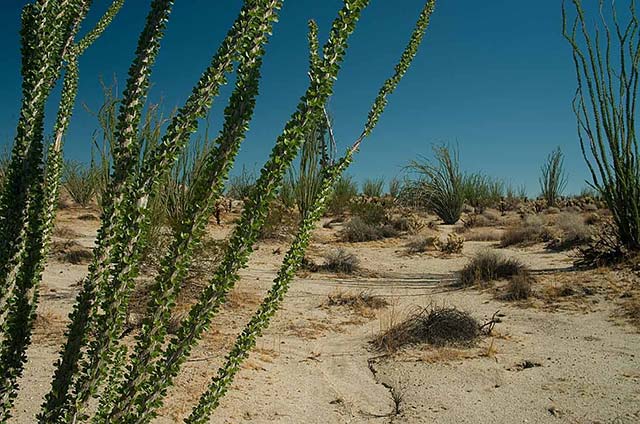
Ocotillo - By Bill SUllivan
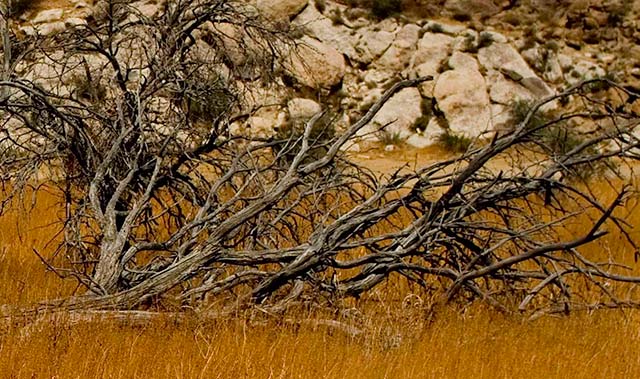
Blair Valley by Bill Sullivan
April 10, 2017
Fages-Cal
Riding & Hiking Trail - Pacific Crest Loop
Hiking Details
Report by
Fred and Carla
On a return visit to this higher
elevation hike they report small fields of Douglas'
violet, Viola douglasii, California buttercup and Ranunculus
californicus. Larger fields of California goldfields,
Lasthenia gracilis and Erodium. From the scrups Cup
leaf ceanothus, Ceanothus perplexans was in excellent bloom,
at higher elevations.
Our favorite Bush poppy,
Dendromecon rigida dotted the area.
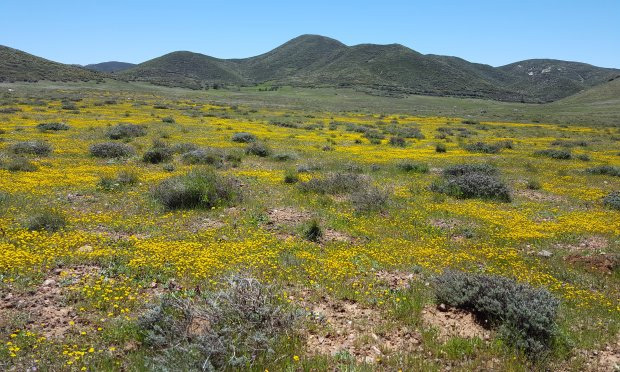
California goldfields, Lasthenia gracilis Photo by Fred
Melgert
Some photos taked during the peak
of the bloom 2017:
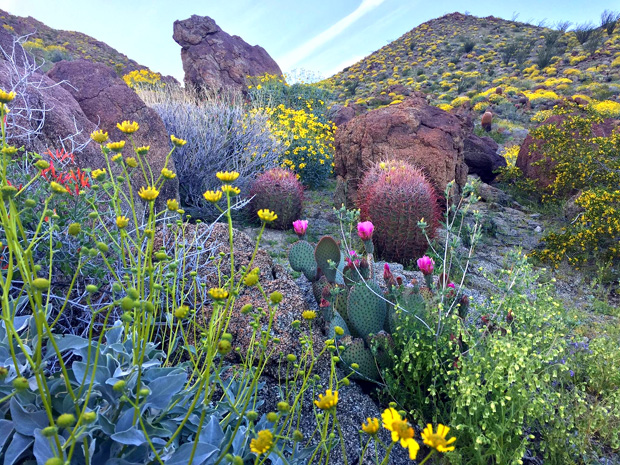
Glorieta Canyon - 3/27/2017 Andy McElhatton
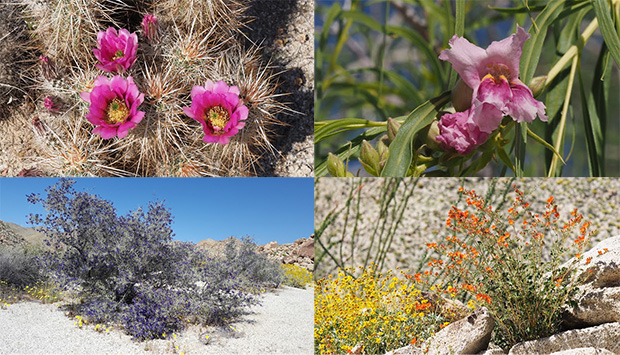
Flowers from today in Rockhouse Canyon by Fred Melgert -
Englemanns Hedgehog cactus, Desert Willow, Indigo Bush,
Globe Mallow. 3/27/2017

Brittlebush at Glorieta Canyon by Judy Stweart.
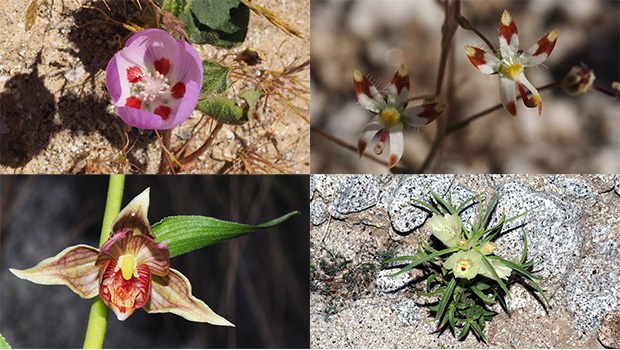
Some flower shots from the Moonlight Canyon Trail, Agua
Caliente County Park, by Fred Melgert. Desert fivespot,
Desert Threadplant, Stream orchid, and ghost flower.
3/24/2017
This is a fascinating vide of a white-lined Sphnix Moth
caterpiller eating a flower by Fred Melgert. The speed
is amazing. It is easy to see how hundreds of thousands of
this species can quickly turn a field of flowers into a
field of stubble.
https://www.facebook.com/BorregoWildflowers/
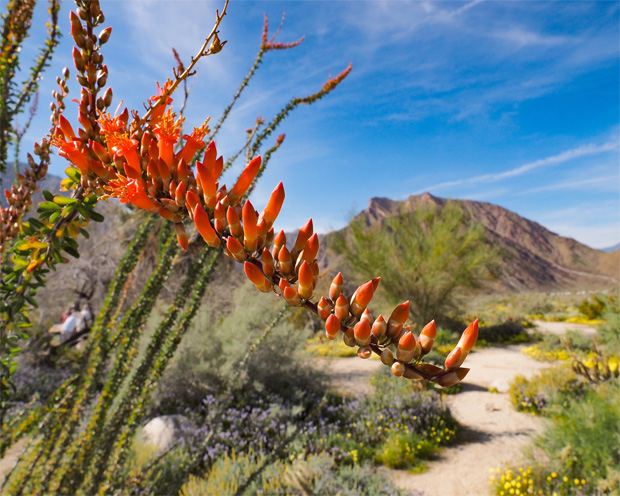
Beautiful shot of ocotillo in bloom, from state park visitor
center, with Indianhead in the background.
3/21/2017 By Niall Fritz.
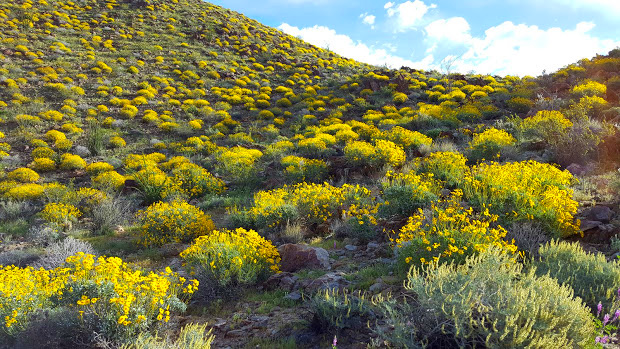
Brittlebush in bloom by Fred Melgert 3/20/2017
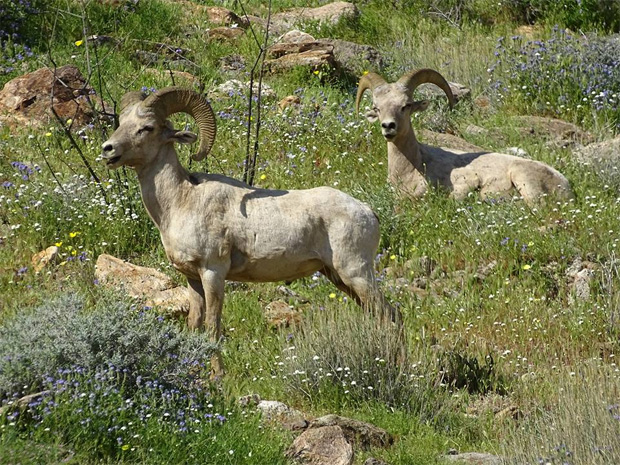
Bighorn sheep surrounded by spring flowers Photo by
John Zarem 3/19/2017
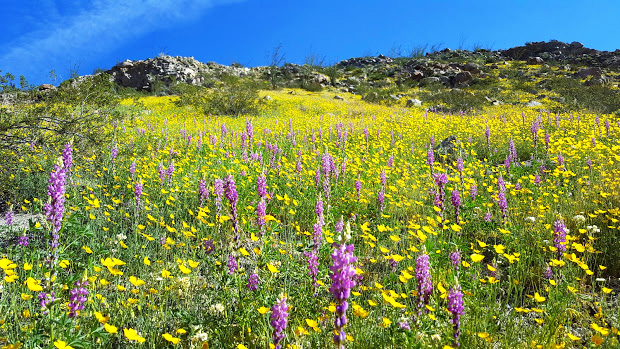
Rockhouse Canyon Photo by Fred Melgert. Fred Reports
that Rockhouse Canyon has an excellent bloom right now.
3/19/2017
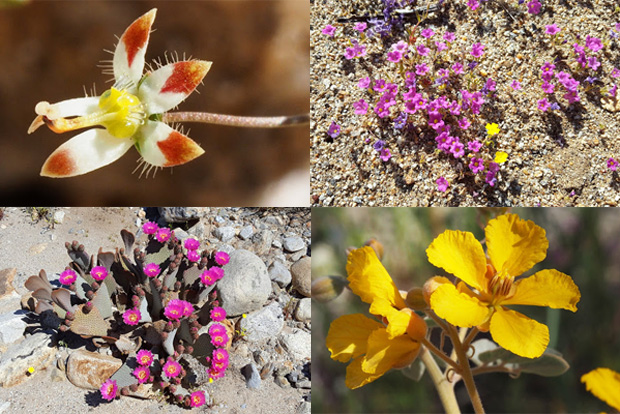
Flower shots from Rockhouse Canyon by Fred Melgert 3/19/2017
Desert Threadplant,
Purplemat, Beavertail Cactus, Desert
Senna.
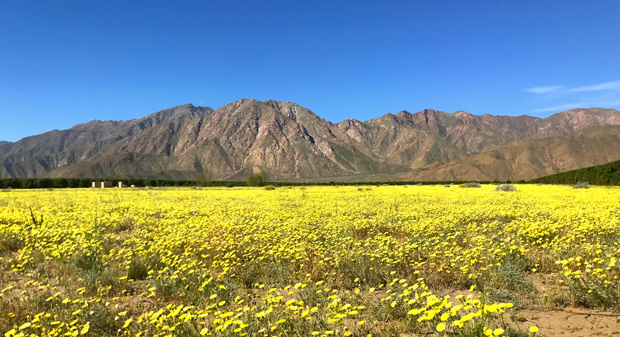
Dandelions along DiGiorgio Road 3/19/2017
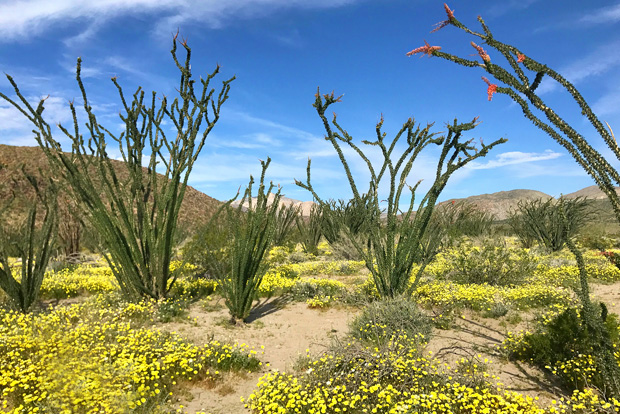
First
Crossing Coyote Canyon - 03/16/2017
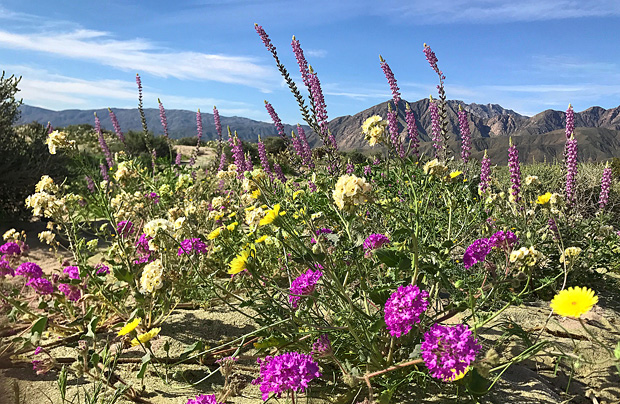
Coyote Canyon - approx 2 miles beyond the end of DiGiorgio -
03/15/2017
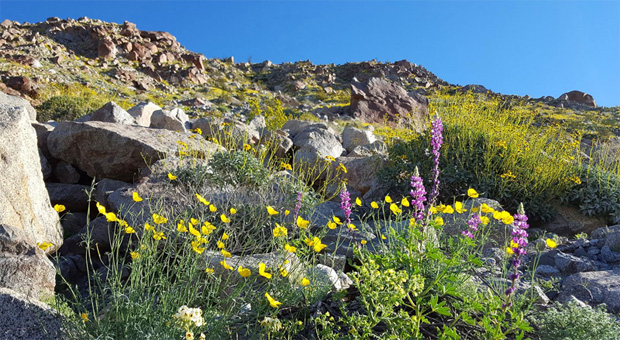
Golden Poppy and Lupine - Photo by Steve Cobert.
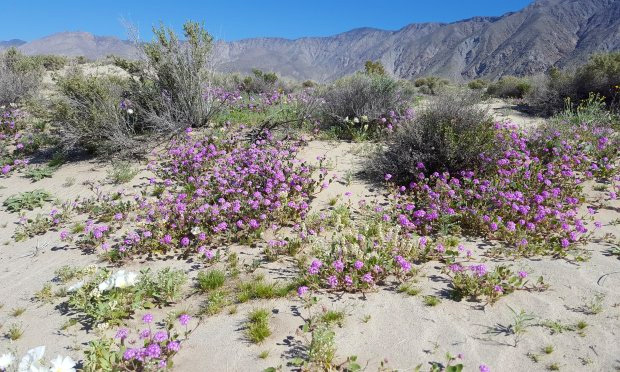
Desert Sand Verbena Clark Dry Lake - Photo by Fred Melgert
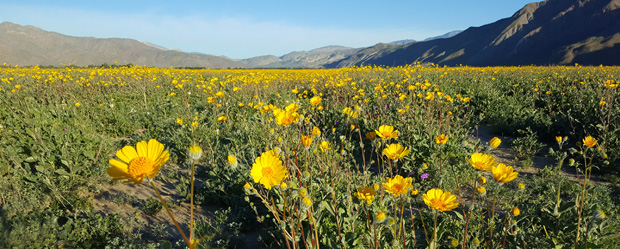
Desert Sunflowers Henderson Canyon by Steve Cobert.
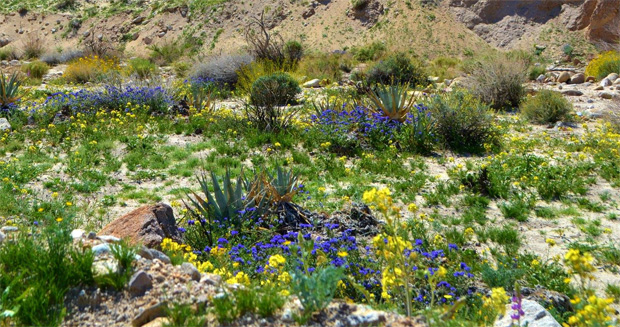
Sweeney Pass and Carrizo Overlook. Photo by Judy Stewart
3/11/2017
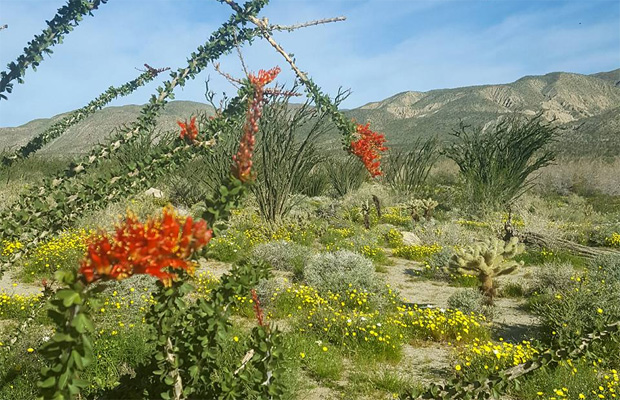
Side Canyon off of Coyote Canyon. Photo by Amy
Brewster 3/11/2017
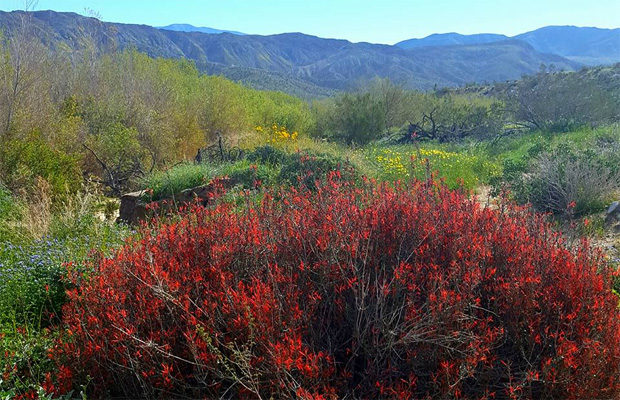
Side Canyon off of Coyote Canyon. Photo by Amy
Brewster 3/11/2017
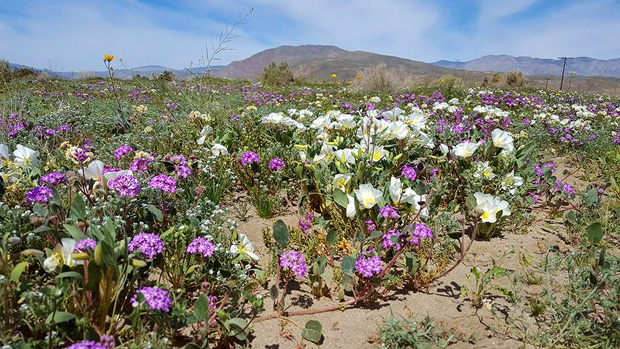
Along Henderson Canyon Road Photo by Fred Melgert 3/10/2017
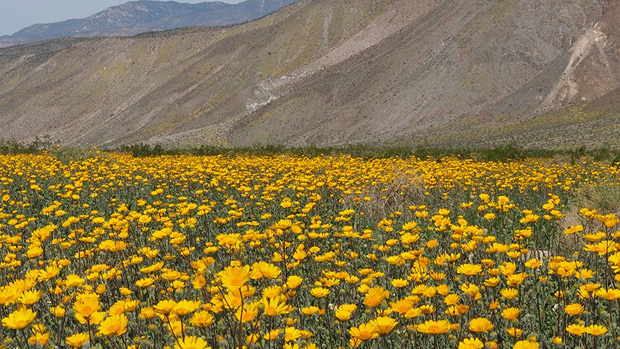
Desert Sunflowers along Henderson Canyon Road by Fred
Melgert 3/10/2017
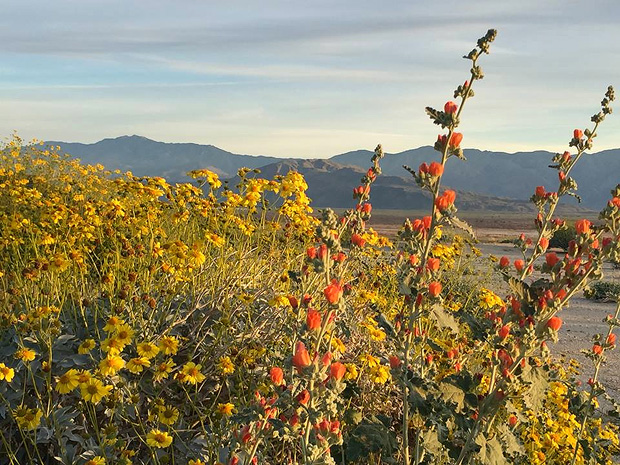
By Tesa Silvestre
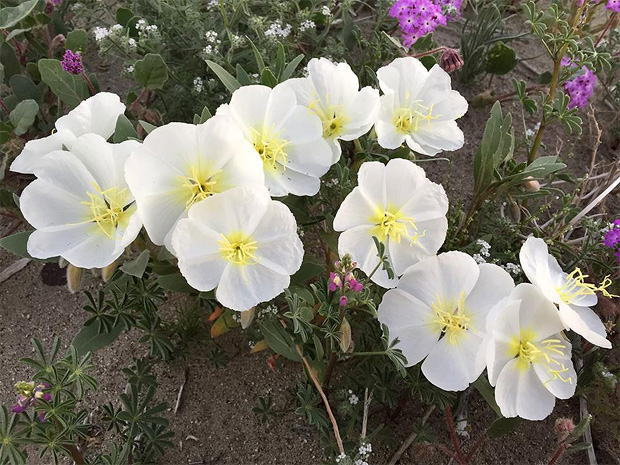
Desert evening primrose, Henderson Cyn Road, this morning,
5:45am
by Carolyn
McIntyre 3/9/2017
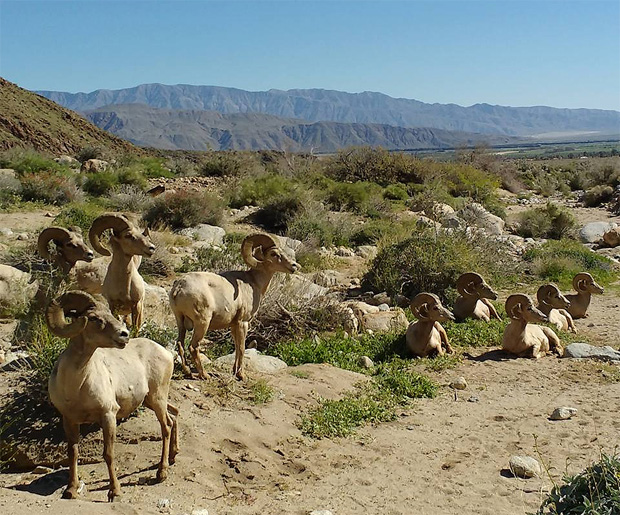
Not a flower picture but magnificent shot of bighorn sheep
as they hear a noise off
to the side. Bighorn
sheep are now fredquently being seen along the Palm Canyon
Trail at the edge of town in Anza-Borrego Desert State
Park.
This photo is by Dean Curtis. 3/9/2017

Lots of green and color in this shot by Amy Brewster
3/9/2017
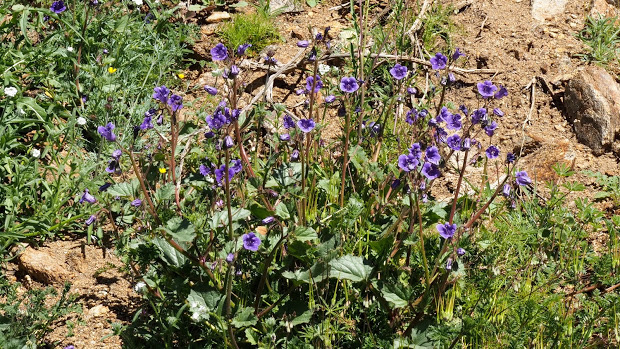
Wild Canterbury Bells,
Pacific Crest Loop Trail photo by Fredi Melgert 3/8/2017
Other Notes:
Best recommendation for Drive-By/Easy
Access Flowers: Starting at the ABDNHA Borrego Desert Nature
Center to pick up a free flower location map, you’ll see our
blooming Botanical Garden; then head north on Borrego
Springs Road to see the metal statues.
Recommended:
Drive DiGiorgio Road to the end of the pavement, park, and
get out to see up close Desert Lilies, Spectacle Pod, Sand
Verbena, Desert Sunflowers. For those who want to drive the
(2WD accessible) dirt road beyond the end of DiGiorgio Road
into Coyote Canyon for a couple miles to “Desert Gardens,”
you will see even more blooms (Poppies, Desert Dandelions,
and just beginning to bloom are the Ocotillo and Beavertail
Cactus).
Recommended: Drive north on Borrego Springs Road to the
point where it turns sharply to the right and heads east.
Pull onto the dirt road on the left side of the road right
at the turn. Park and walk around to see blooms and
scultures.
Arroyo Salado Campground: East on S22 to
the Borrego Badlands and Arroyo Salado Campground to see
lots of Desert Lilies beyond the last campsite.
Easy
Hiking: In Full Bloom: Henderson Canyon at the west end of Henderson
Canyon Road (See Desert Lilies, Chicory, Phacelia, a variety
of cactus, metal statues, and mountain views).
Easy
Hiking: Little Surprise Canyon on the west end of S22 about
one-third mile south of Palm Canyon Drive (Ghost Flowers,
Barrel Cactus, Desert Lavender, beautiful rocks and views on
the return walk).
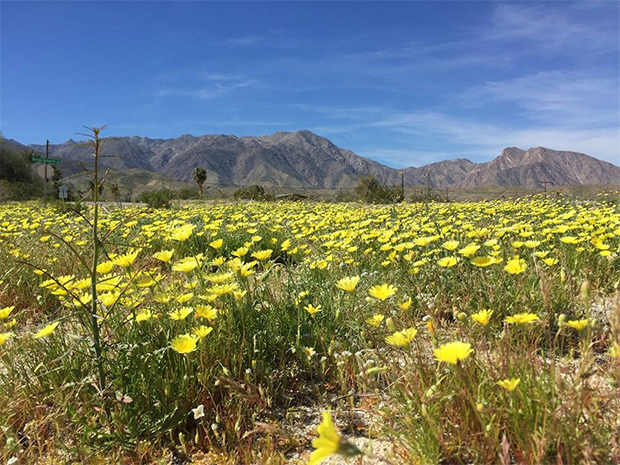
Desert dandeliona along Borrego Springs Road by Tesa
Silvesre

Desert Floor covered with Monkey Flowers bu Amy
Brewster.
March 7, 2017
Collins Valley - Box Canyon -
Hiking Details
Fred and Carla
A trip to a tiny
dry lake between Collins valley and Box canyon, in our
second try to find Lepidium flavum felipense. It's very busy
with all the tourist driving in Coyote canyon. Water in
second crossing is still rather deep, we noticed the large
number of cars parked before second crossing, a lot didn't
want to try the crossing. Destination Box canyon and than
climb up the rocky wall up to the playa. What we noticed
from above the playa was very very green, but not the good
kind of green. No trace of Lepidium flavum felipense and
other plants that should grow besides it. That was very
strange as on our previous hike we did find Sphaeralcea
leaves, but now none to be found. Down the very steep and
rocky drainage and down Lower Willows. The signs of the
recent rain are very clear, the gully that is the hiking
trail gets deeper and deeper. WOW what a high bloom count,
we are getting closer to peak bloom.
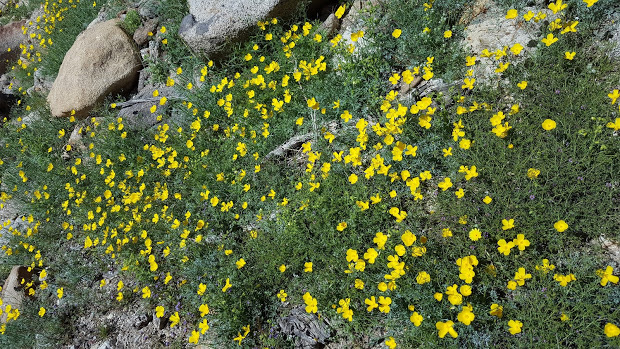
Parish's poppy, Eschscholzia parishii By Fred Melgert
March 5, 2017
Yaqui Meadow Loop -
Hiking Details
Fred and Carla
A hike to one of our favorite
spots. Starting on the "Yaqui Meadows Loop" and as the
drainage narrows skipping over to the "Yaqui Meadows -
Glorietta Wash" and finally completing the "Yaqui Meadows
Loop". Trying to get the best of both hikes. Staggering
fields of Bigelow's monkey flower, Mimulus bigelovii
bigelovii (10000+), Ghost flower, Mohavea confertiflora
(500+) and Parish's poppy, Eschscholzia parishii (1000+).
Never seen such large fields of monkey flower and Ghost
flower before. Most flower fields on the sun facing slopes
and some on the flat rocky area's.
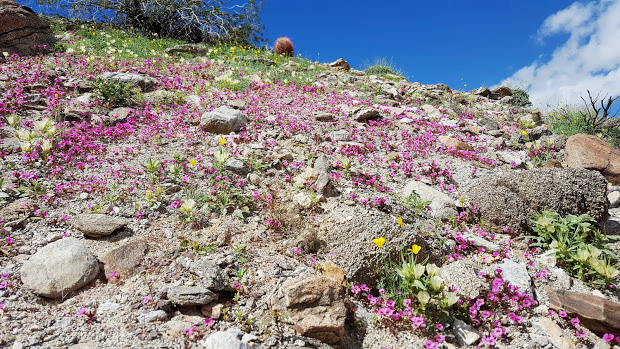
Bigelow's monkey flower Photo by Fred Melgert
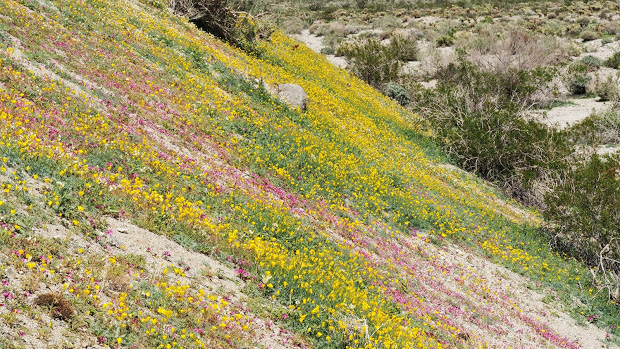
Photo by Fred Melgert
|